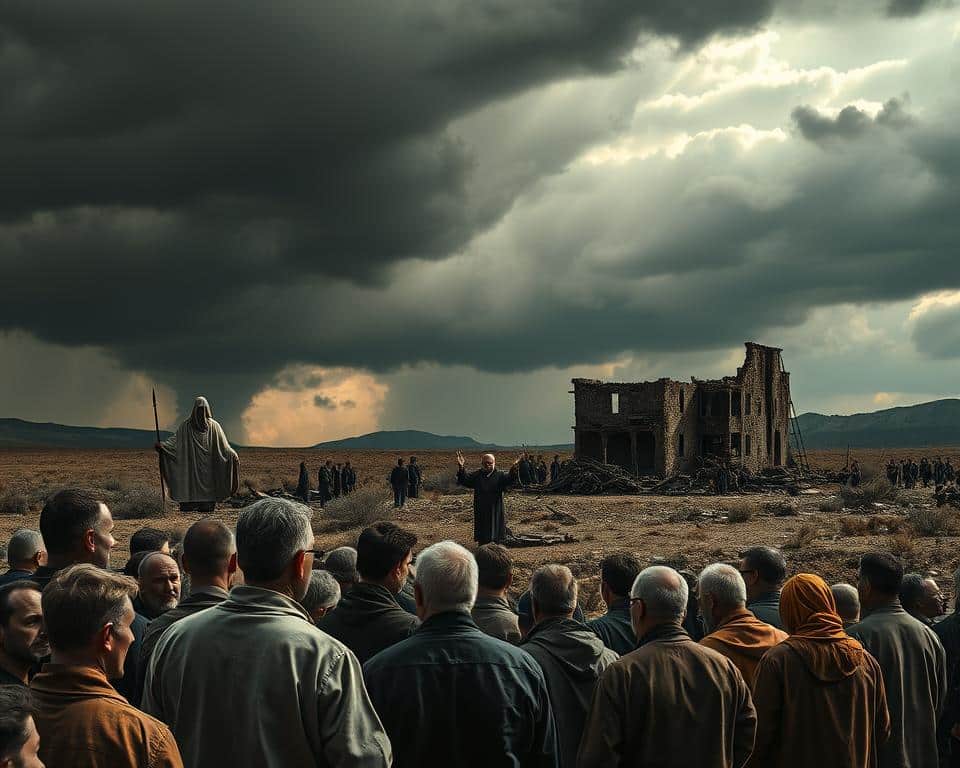

“Hardship often prepares ordinary people for an extraordinary destiny.” — C.S. Lewis
I write this article in a warm, clear voice to guide you step by step through pressures many face today in our world.
Christian communities meet real threats, discrimination, and violence. I will explain what persecution means, why it spreads, and how Scripture shapes steady trust in daily life.
We set practical goals so you can follow God’s word with clarity and act with courage. I include Old and New Testament examples and James 1:2-4 to show how trials build perseverance.
Expect plain definitions, human rights basics, and trusted support options. My aim is to help you keep hope and honor Jesus when systems or people oppose the church.
Key Takeaways
- We define persecution and explain why it grows.
- Scripture anchors hope and strengthens believers.
- Practical daily habits help sustain faith and joy.
- Know basic rights and where to find trusted support.
- Older and newer Bible stories show God’s purpose in trials.
What persecution is and why it matters today
Hostility toward those who follow Jesus takes many visible shapes today.
Definition: I define persecution as targeted hostility aimed at people who identify with Christ in belief, practice, or witness. This hostility appears in public policy, workplace bias, and community pressure.
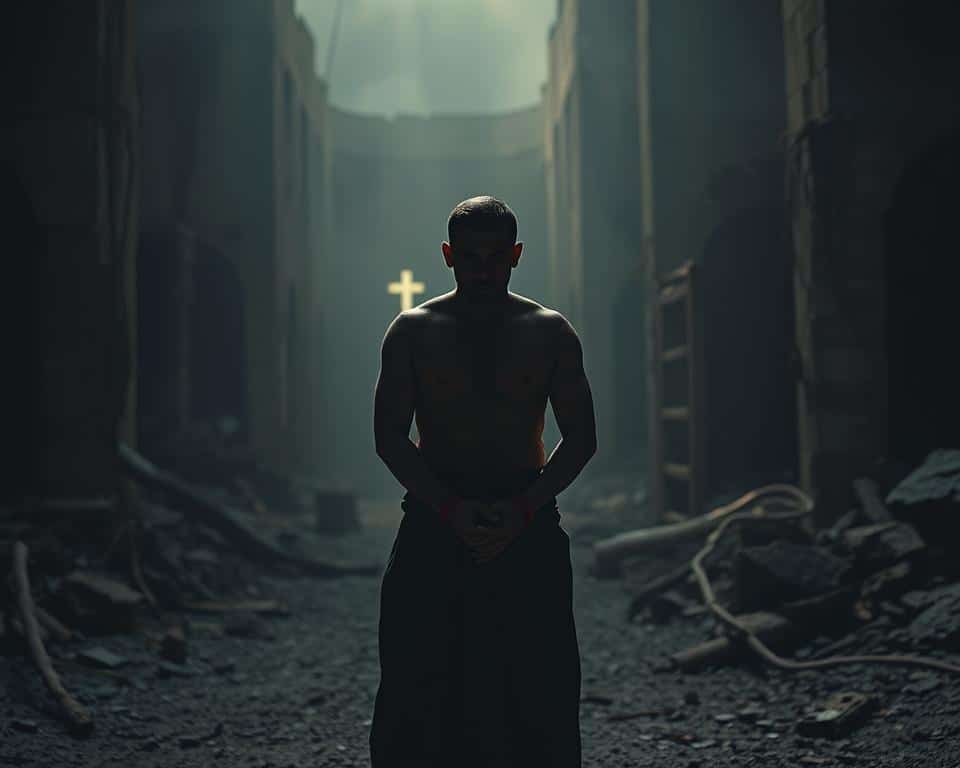
Common forms include harassment, denial of jobs or schooling, social exclusion, and limits on church gatherings. In extreme cases people face assault, arrest, torture, or sexual violence.
Across the world, attacks come from different sources. Authoritarian officials, hostile religious groups, and local actors all can threaten churches and families. Places such as Sudan, Nigeria, North Korea, Colombia, Afghanistan, and India report varied harms.
- Recognize many forms—from subtle discrimination to force.
- Know the actors—officials, neighbors, or extremist groups.
- Respond with wisdom—pray, act, and protect vulnerable communities.
Biblical roots of Faith under persecution
Scripture records many moments when God’s people stood firm amid threats. I will walk through clear stories and short lessons that help you act with courage today.

Old Testament examples: Joseph, Daniel, and his companions
Joseph faced betrayal, slavery, and prison yet said God turned harm to good (Genesis 50:20). That example teaches patient trust.
Daniel, Shadrach, Meshach, and Abednego refused idolatry and trusted God even facing death (Daniel 3:17-18). Their obedience shows how to honor truth before rulers.
New Testament witness: Jesus, Stephen, the apostles
“If the world hates you, remember it hated me first.”
Jesus Christ warned followers they would meet opposition. Stephen prayed for his killers as he died (Acts 7:60). That love for enemies calls the church to mercy when brothers fail.
Promises for endurance and joy in trials
James 1:2–4 and 1 Peter 1:6–7 teach trials build perseverance and proven trust in Christ Jesus. Use short memory verses to recall hope in the life christ calls you to live.
| Example | Trial Faced | Lesson |
|---|---|---|
| Joseph | Betrayal, slavery, prison | God can turn harm to blessing |
| Daniel & friends | Forced worship, death threat | Obedience honors God before rulers |
| Stephen | Stoning, rejection | Pray for enemies; love endures |
- Remember these examples in daily prayer.
- Share them with youth and small groups so the church grows brave together.
Why persecution happens in many places
Control of belief and identity fuels much of the violence and legal pressure we see. I will list clear causes so you can act with caution and truth.
Authoritarian governments and control of belief
Authoritarian governments use law and force to keep power. North Korea and similar states monitor worship, criminalize gatherings, and treat some groups as enemies.
Dominant cultural faith and suspicion of minorities
Where a single religion ties to national identity, religious minorities face social exclusion. In parts of India, hindu nationalists link citizenship to one creed and pressure converts.
Extremist groups and targeted attacks
Extremist groups in the Middle East and Nigeria stage raids, bombings, and kidnappings. Villages can lose leaders, property, and safety overnight.
Official laws that restrict religious freedom
Many countries pass rules that restrict religious worship, language in churches, and conversion. These laws push worship into hidden spaces and make service risky.
| Cause | Actors | Method | Effect on people |
|---|---|---|---|
| State control | Authoritarian governments | Surveillance, arrests | Secret meetings; fear |
| Majority pressure | Dominant cultural faith | Social exclusion, threats | Isolation of religious minorities |
| Militant violence | Extremist groups | Raids, bombings | Loss of leaders and homes |
| Restrictive law | Courts and officials | Blasphemy, conversion bans | Trials, prison, limited religious freedom |
- Practical note: Use human rights language and local facts when you assess risk for church meetings.
Living a godly life when pressure rises
When pressure rises, living a godly life becomes both a choice and a discipline. I want to offer clear steps you can use the moment trial comes.
Expect testing and remain steadfast
Set realistic expectation: all who desire live godly will face pressure. Jesus warned his followers they would meet opposition (Matthew 5:10–12).
Keep short daily routines: prayer, Scripture reading, honest work. These habits steady the heart.
Rejoice with wisdom; seek help when needed
“They rejoiced that they were counted worthy to suffer for the name.”
Rejoice with care. Share trouble with elders and trusted leaders when legal or security issues arise.
| Action | Why it helps | Quick step |
|---|---|---|
| Daily Scripture | Builds resolve | Read one short passage each morning |
| Secure plans | Protect family and church | Write meeting and travel plans in advance |
| Care for body | Supports endurance | Rest, eat well, pace work |
Remember James 1:12: the promise frames trials as a path to the crown of life. Move with hope, answer hostile words with truth and grace, and keep your focus on service and prayer.
Daily practices that strengthen faith
I share simple routines I use and teach that steady the heart and guide daily choices. These practices help believers face pressure with hope and clear action.
Prayer, Scripture, and worship
Plan short prayer times each day so prayer comes before the weight of trial. I set morning, midday, and evening moments to steady my mind.
Read God’s word aloud in homes or small groups so truth shapes life. The early church met, studied, and broke bread together; we follow that example.
Confession, lament, and hope
“We rejoice in our sufferings, because suffering produces endurance…”
Bring pain and guilt to the cross with brief confession. Allow lament; then name the hope God gives. Track answered prayer so hope grows in the body.
Serve others and share comfort
Set a simple pattern of service: food aid, visits, or small gifts. When God comforts us, we can comfort others, as Paul writes in 2 Corinthians 1:3–4.
| Practice | Why it Helps | Quick Step |
|---|---|---|
| Daily prayer | Refreshes resolve | 3 set times: morning, noon, night |
| Read Scripture aloud | Frames decisions | Choose a short passage for homes |
| Confession & lament | Opens the way to mercy | Use Psalms on hard days |
| Service & sharing | Makes hope visible | Weekly visits or small gifts |
Practical note: schedule short house meetings to keep worship flexible when space is limited. For extra encouragement, see a short guide to strengthen your trust.
Support systems for persecuted believers and churches
Strong networks and clear plans keep local churches safe and ready to help in a crisis.
I map practical support that leaders and families can use right away. Start by listing local church contacts, trusted families, and nearby networks that respond fast to needs persecuted communities face.
Local churches, families, and trusted networks
Define safe volunteer roles so people know who coordinates aid, transport, shelter, and communication. Use simple contact trees and code words to protect meetings and lower risk.
Global Christian Relief and frontline partners
Global Christian Relief partners with local leaders in places like North Korea, Iran, Afghanistan, and Sudan. Their Frontline Partner program funds short- and long-term projects through monthly gifts so worship and witness continue in crises.
- Assign clear roles: coordinator, driver, safe-house contact.
- Pastoral care: simple trauma plans and support groups.
- Accountability: clear records so goods reach families securely.
- Prayer support: uphold field partners across the world.
| Need | Who Acts | Quick Step |
|---|---|---|
| Emergency shelter | Local church network | Contact tree; transport plan |
| Medical or legal aid | Frontline partners | Connect to field team; document needs |
| Ongoing support | Monthly donors & volunteers | Frontline Partner gifts; project report |
Keep records simple and secure. Strong communities reduce isolation so believers hold firm. I urge leaders to match practical care with Scripture and hope when they serve.
Human rights and religious freedom basics
International law affirms that belief and conscience sit at the heart of human dignity. I want to state key facts clearly so leaders and families can act wisely.
UDHR and ICCPR Article 18 at a glance
The Universal Declaration of Human Rights affirms equal dignity and rights for all, including religion. The International Covenant on Civil and Political Rights protects freedom of thought, conscience, and religion.
- What is covered: worship, observance, practice, and teaching in public and private today.
- States may not coerce belief or force renunciation. Limits are lawful only for public safety, order, health, morals, or the rights of others.
- Parents keep the right to guide the religious and moral education of their children.
- When laws restrict religious freedom and punish peaceful worship, they violate Article 18 and harm people and believers.
- Keep secure records when filing complaints and seek lawful, respectful appeals so justice can serve hope and safety.
Learning from history and stories of courage
I trace short accounts from the past so brothers and sisters gain courage when public pressure rises. History shows that ordinary people often chose truth over safety.
One clear example is Stephen. He faced death yet prayed for his killers and trusted God’s word. That prayer teaches mercy, even when harm is real.
Modern reports also record people who kept work, home life, and worship steady amid threats. These stories show common patterns across the world and help leaders plan training and care.
Lessons to use now: retell faithful lives in youth groups and homes. Name the cost many paid so choices match Scripture with honesty and hope.
“Lord, do not hold this sin against them.”
| Account | What they faced | Lesson |
|---|---|---|
| Stephen | Stoning, public death | Pray for enemies; show mercy |
| Early martyrs | Trials and execution | Hold truth in speech and deed |
| Modern witnesses | Legal limits, mobs | Plan care; keep small worships |
Each short story ends with a step you can take this week: share one account at a meeting, pray for an enemy, or teach a youth group a simple lesson from Scripture. Small acts spread hope and steady the church.
Stand firm with joy and clear purpose
Hold a steady hope and simple purpose when hostile forces press the church.
I call you to stand firm as followers who trust that christ jesus persecuted shows the path of endurance. Rejoice when persecuted righteousness sake, because Jesus promises presence and reward for the life christ jesus calls us to live.
Pray for brothers and sisters by name. Ask churches and families to share resources with needs persecuted communities. Respect religious freedom and human rights in every appeal.
Remember global harms—from north korea to attacks by extremist groups—and pray with informed focus. Plan simple checklists at home so families can protect one another.
Practice this week: read Matthew 5:10–12 aloud, pray for the church in hard places, and send an encouraging note to a community under pressure. Live godly life with courage and clear speech that honors the name of Jesus.