Stop your ordinary work from Friday sundown to Saturday sundown, finish the week's errands before the sun goes down, worship with other believers, and let the day stay quiet. That is how to keep the Sabbath in one sentence. The hard part is rarely theology. It's your Thursday and Friday calendar, because a day you never prepared for shows up as pressure instead of rest.
Last updated: 2026-08-01
What the fourth commandment actually asks of you
Here is the verse. Exodus 20:8-11 tells Israel to remember the Sabbath day and keep it holy, to work six days, and to do no work on the seventh. The passage closes by saying the Lord blessed the Sabbath day and made it holy.
Now notice the reason it gives. Genesis 2:2-3 says God finished creation on the seventh day, rested from all his work, blessed the seventh day, and made it holy. So the day was set apart before there was an Israelite, a temple, or a priest.
The command also names who else stops: sons and daughters, male and female servants, livestock, and the foreigner living in your town. Read that list slowly. Sabbath keeping was never a private arrangement between you and your planner.
When the day begins and ends
Sundown Friday to sundown Saturday. Genesis 1 counts every day of creation as evening first and then morning, and Leviticus 23:32 says to keep the sabbath from evening to evening.
Be honest about that second verse. Leviticus says it about the Day of Atonement, and Adventists apply the same evening-to-evening reckoning to the weekly Sabbath. The Gospels back the practice up. Mark 1:32 says the crowds waited until sunset, when the Sabbath had ended, before bringing the sick to Jesus.
Your sunset time shifts every week and with your latitude. So check a real sunset time for your town instead of settling on a fixed hour like six o'clock. Check it for yourself, and let the sun set the boundary.
What the Sabbath is for
The day is a sign, and Scripture gives it more than one meaning. Exodus 20:11 ties it to creation. Deuteronomy 5:15 ties it to rescue from Egypt. Ezekiel 20:12 calls the Sabbath a sign that God is the one who makes his people holy.
Exodus 23:12 adds mercy to the list, so that a servant and a foreigner can catch their breath. Isaiah 58:13-14 calls the day a delight. None of that reads like a punishment.
Grace first, obedience after. Ephesians 2:8-9 calls salvation a gift, not a wage. You don't keep the seventh day to get God's attention. You keep it because you already have it, and rest as a biblical command is what a rescued person looks like on a Saturday.
What stops at sundown
Ordinary paid work stops. Schoolwork stops. Buying and selling stops, and that one is not my opinion. Nehemiah 13:15-22 shows Nehemiah shutting the city gates because merchants were trading on the Sabbath.
House projects and errands stop too. The painting, the tax return, the lawn, the trip to the hardware store. These are good things during the week and they are theft on Sabbath, because they take the hours that already belong to God.
Here is where I mark the line. The text names commerce, farm labor, and household work. It does not name your inbox, your side business, or your group chat. So the plain reading gives you the category, and you have to apply it honestly to a phone that never stops asking.
Don't buy someone else's labor for your rest
The command puts the servant and the foreigner in the same sentence as your own hands. As a result, a Sabbath that runs on other people working is not the Sabbath the passage describes.
That reaches the restaurant meal, the delivery driver, the fuel stop, and the shopping cart you fill on Saturday afternoon. Cook Friday. Fill the tank Friday. It costs you a little planning and it costs somebody else their whole shift if you don't.
That is a fair question about the nurse, the firefighter, and the bus driver who keeps sick people moving. Jesus answers that one below, and the answer is not that they should quit. Mercy work and necessary care were never on the forbidden list.
How do you keep the Sabbath when your week is already full?

Move the work forward, not sideways. Mark 15:42 calls Friday the Preparation Day, and that name is a whole strategy. Exodus 16:23 shows Israel baking and boiling the manna on the sixth day so the seventh could stay clear.
Do these six things before the sun sets on Friday:
- Finish the paid work. Send the last email Friday afternoon and tell your team when you'll be back.
- Cook the Sabbath meals, or at least cook the main one and plan a cold lunch.
- Run the errands. Groceries, fuel, prescriptions, and anything you'd otherwise buy on Saturday.
- Clean what would nag at you. Dishes done, laundry folded, floor swept.
- Settle the money. Pay the bill, move the transfer, close the ledger.
- Tell your household the plan. Who's driving, when you're eating, what the phones are doing.
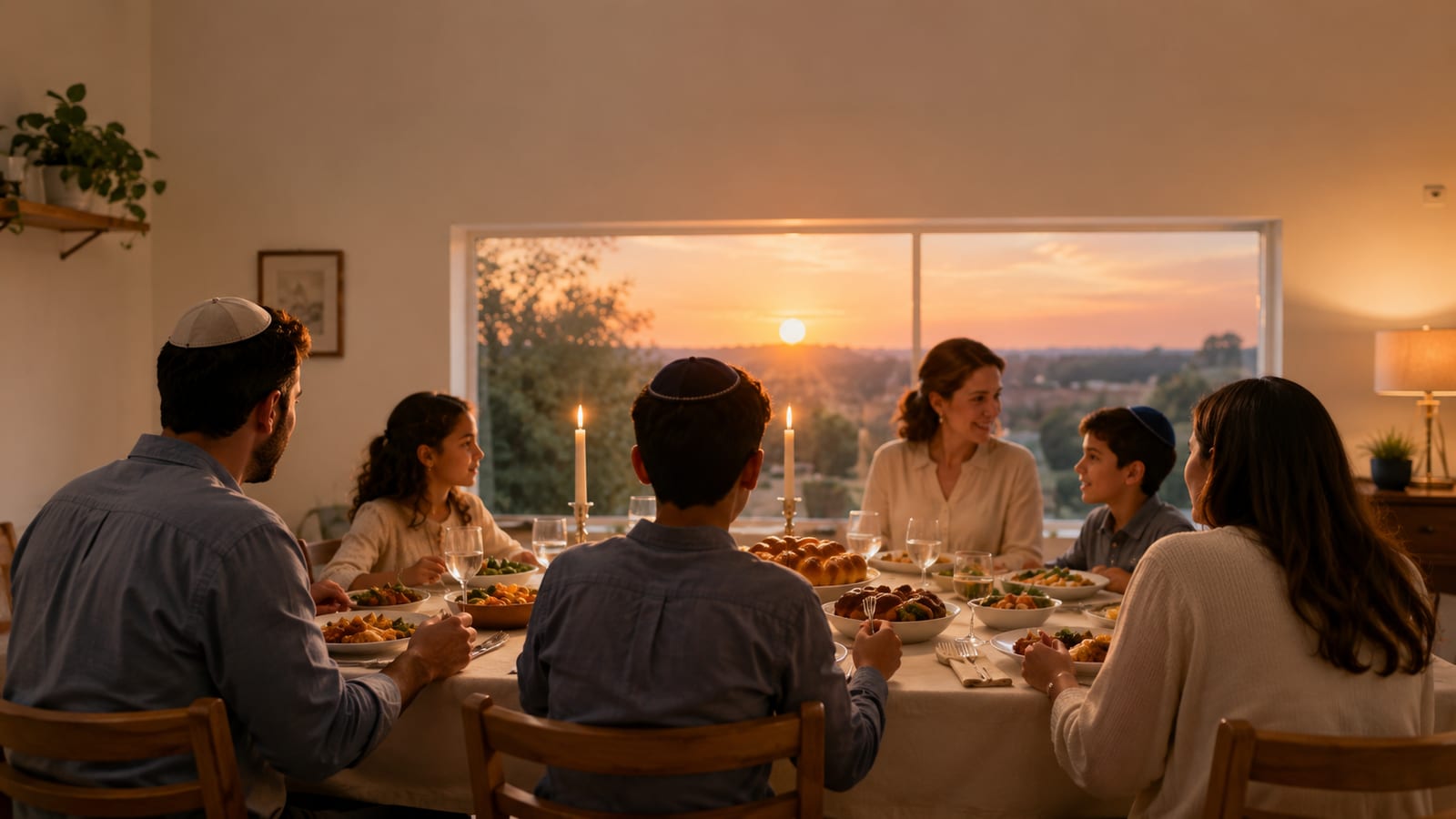
Set a Friday alarm about an hour before sunset. Then stop, wash up, and read a psalm together while the light goes. In short, give the day a running start.
When Sabbath rest costs you money or a deadline
Sometimes obedience costs something real, and pretending otherwise is dishonest. Exodus 16 puts the manna test right at the front of Israel's history: gather double on the sixth day, and the extra portion won't spoil. God asked them to trust the arithmetic before they could see it work.
Isaiah 58:13-14 makes the same promise in a different key. Turn from doing as you please on his holy day, and the day itself becomes a delight rather than a loss.
I won't promise you no consequences. Some of us lose the overtime, the client, or the Saturday shift differential. Still, a deadline that only works when you take God's hours is a deadline that was already broken.
What to do with the hours instead

Worship first. Leviticus 23:3 calls the seventh day a holy assembly, and Luke 4:16 says the synagogue on the Sabbath was Jesus' custom. Go be with people who are singing.
Then let the day breathe. Read a whole Gospel chapter out loud at the table. Visit someone who is sick or alone, since that is the exact use Jesus defended. Walk somewhere green. Eat slowly. Nap without apologizing for it.
Keep the entertainment quiet and short. A screen will eat the afternoon and give you nothing back, and the boredom your children complain about at two o'clock is usually the doorway to the best conversation you'll have all week.
What did Jesus permit on the Sabbath?
Three things: necessity, mercy, and doing good. Mark 2:23-28 has the disciples pulling grain heads to eat, and Jesus defends them by pointing to David eating the consecrated bread in 1 Samuel 21. Then he gives the purpose line: the Sabbath was made for man.
Luke 13:15 uses ordinary barnyard logic. You untie your ox and lead it to water on the Sabbath, so of course a bent-over woman can be set free on that day. Matthew 12:12 states it flatly: it is lawful to do good on the Sabbath.
Read those chapters in context and see what he actually attacked. He never moved the day or loosened the fourth commandment. He cleared away the rules people had stacked on top of it, and Luke 23:56 shows his own followers resting on the Sabbath according to the commandment while his body lay in the tomb.
Where the text ends and the Adventist reading begins
You deserve to know which parts are stated and which parts are conclusions. Here is the split, and you can check every line of it.
| What the text says | What Adventists conclude from it |
|---|---|
| God rested on the seventh day, blessed it, and made it holy (Genesis 2:2-3) | The day was holy before Sinai, so it belongs to everyone, not only to Israel |
| Do no work, you or your household or the foreigner in your town (Exodus 20:8-11) | Employment, school, shopping, and house projects wait until the day ends |
| A sabbath runs from evening to evening (Leviticus 23:32) | The weekly Sabbath runs sundown Friday to sundown Saturday |
| It is lawful to do good on the Sabbath (Matthew 12:12) | Nursing, emergency work, and caring for the helpless are not violations |
| No verse names screens, email, or streaming | Skip them, because they crowd out worship and family, though this is judgment, not command |
The last row matters most. If someone tells you the Bible forbids a specific modern activity by name, ask them for the chapter and verse. The rest of the Adventist position on the day is spelled out in the church's fundamental beliefs, and in more practical detail in how Adventists keep the Sabbath holy.
Your plan before next Sabbath
Pick three things and nothing more. One preparation step: cook Friday's supper and Saturday's lunch on Friday. One work boundary: no buying and no paid work between the two sunsets. One worship practice: read a chapter of Mark aloud with whoever is at your table.
Do those three this week. Add nothing else until they hold. Most people who quit didn't fail at obedience, they failed at scope, because they tried to change eleven habits in one Friday.
If the underlying command still feels unsettled to you, go back to the fourth commandment and to the broader background on the biblical Sabbath before you build the habit on top of it.
FAQ
What if my job puts me on the schedule every Saturday?
Ask for the change in writing, early, and calmly. Many employers accommodate a religious schedule request when it comes before the rota is published rather than after. Meanwhile, start with the parts you can control now, like refusing overtime and shopping on Saturday. I don't know how your manager will answer, and neither does anyone who promises you it always works out.
Can I keep the Sabbath if my family isn't interested?
Yes, and keep it without lecturing anybody. Do your own preparation, keep your own hours, stay pleasant, and cook something they actually like. A quiet Friday evening that smells good persuades more than an argument does. Serve your household on the day instead of policing it.
What about places where the sun barely sets in summer?
Believers in the far north generally use a fixed reference time, often the sunset hour of a nearby standard location or roughly six in the evening, and keep the day consistently. Scripture doesn't address polar daylight, so this is a practical accommodation and honest people land differently on it. Pick one method with your local congregation and hold to it.
Are Christians who worship on Sunday disobeying God?
Most of them are following what they were taught, and they love Jesus. So I'd rather hand a fellow believer an open Bible than a verdict. Show them Genesis 2, Exodus 20, and Luke 23:56, then let the text do its own work. Revelation 14:12 describes God's people as those who keep the commandments of God and hold the faith of Jesus, and both halves of that sentence stay together.