Skip to content
JRS logo 200x200
  • About Me
  • Bible Study Guides
  • Biblical Characters
  • Prayer and Faith
  • Contact Me

How Adventists Choose Entertainment Wisely

Posted on November 10, 2025November 5, 2025 by Anthony
Adventist views on entertainment

Adventist views on entertainment start with clear Bible tests that protect the heart and shape the mind.

People are taught to check content against Scripture, to hold what is good (1 Thessalonians 5:21), and to seek what is true and lovely (Philippians 4:8).

The church frames viewing and listening as part of daily life. Choices should honor God and guard character.

Members learn practical steps: evaluate movies and programs, avoid degrading things, and steer clear of places that stir temptation.

The seventh-day adventist church points to positive examples and media ministries that uplift faith and teach hope.

Table of Contents

Toggle
    • Key Takeaways
  • Why this topic matters for Seventh-day Adventists today
  • Core church context on media and entertainment
    • Seventh-day Adventist Church perspective and General Conference cautions
    • How local church leaders and members handle differences
  • Adventist views on entertainment
  • Bible principles that guide choices
    • Test all things and hold what is good
    • Guard the heart and the senses
    • Think on what is true, pure, lovely, and praiseworthy
  • Music: how Adventists assess lyrics, purpose, and effect
    • Sacred and secular: place, purpose, and impact
    • Nine music guidelines summarized for practical use
  • Movies: story, themes, and influence on the mind and character
    • What to watch for in themes and scenes
    • Positive examples and ministry productions
  • Ellen White on drama, theater, and enacted programs
    • The risk of cheap theatricals
    • Uplifting, limited enactments
  • Church settings: sanitariums, schools, and youth programs
    • Why atmosphere and purpose matter in church spaces
  • Home viewing: VCR, streaming, and living room choices
    • How to keep a healthy media atmosphere at home
  • Questions Adventists ask before watching or listening
    • Does this content align with Philippians 4:8?
    • How will this affect my walk with Jesus and my relationships?
    • Is the portrayal of sin glamorized or discouraged?
  • Young people and families: guidance that builds discernment
    • Helping children and teens think and choose with wisdom
    • Group activities that model positive choices
  • Leaders and members: unity with room for conscience
  • Time, place, and purpose: setting healthy boundaries
  • Practical steps for selective viewing and listening
    • Set criteria, preview content, and discuss themes
    • Replace empty time with uplifting options
  • Living with hope and a clear mind in a media-saturated world
  • FAQ
    • How do Seventh-day Adventists decide what films or shows are acceptable?
    • What guidance does the Seventh-day Adventist Church offer about music?
    • How should families manage streaming, VCRs, and online viewing at home?
    • What did Ellen G. White say about theater and enacted programs?
    • How do church leaders handle different opinions about media within a congregation?
    • What Bible principles guide decisions about shows, music, and other productions?
    • How can young people be helped to choose wisely in a media-saturated culture?
    • Are there practical criteria for selective viewing and listening?
    • What should someone ask before showing a movie or playing a song at church or school?
    • How do media ministries and educational productions fit into Adventist practice?
    • How are unhealthy or tempting themes identified and avoided?
    • What role does atmosphere play in church spaces like schools and sanitariums?
    • How can families replace empty screen time with uplifting options?
    • Does the Church have official lists of approved or banned media?
    • How should a person respond when friends or family choose different entertainment standards?
    • What questions help determine if a film or song aligns with Philippians 4:8?

Key Takeaways

  • Use Scripture as the primary test before you press play.
  • Choose media that builds life, hope, and godly character.
  • Avoid content and places that lead to temptation.
  • The church and media ministries offer faith-based examples to follow.
  • Simple, clear standards help people apply these principles at home and church.

Why this topic matters for Seventh-day Adventists today

Smartphones and streaming place movies, music, and videos within reach at any hour. That constant access makes media a pressing issue for the church and for people trying to live by Scripture.

Many secular films and programs glamorize violence, sex, pride, greed, and vengeance. These themes can distort life’s meaning and shift the mind toward harmful habits.

Church leaders encourage members to treat media as a discipleship matter, not a mere pastime. Ministries now produce global broadcasts and films that promote Bible truth and hope.

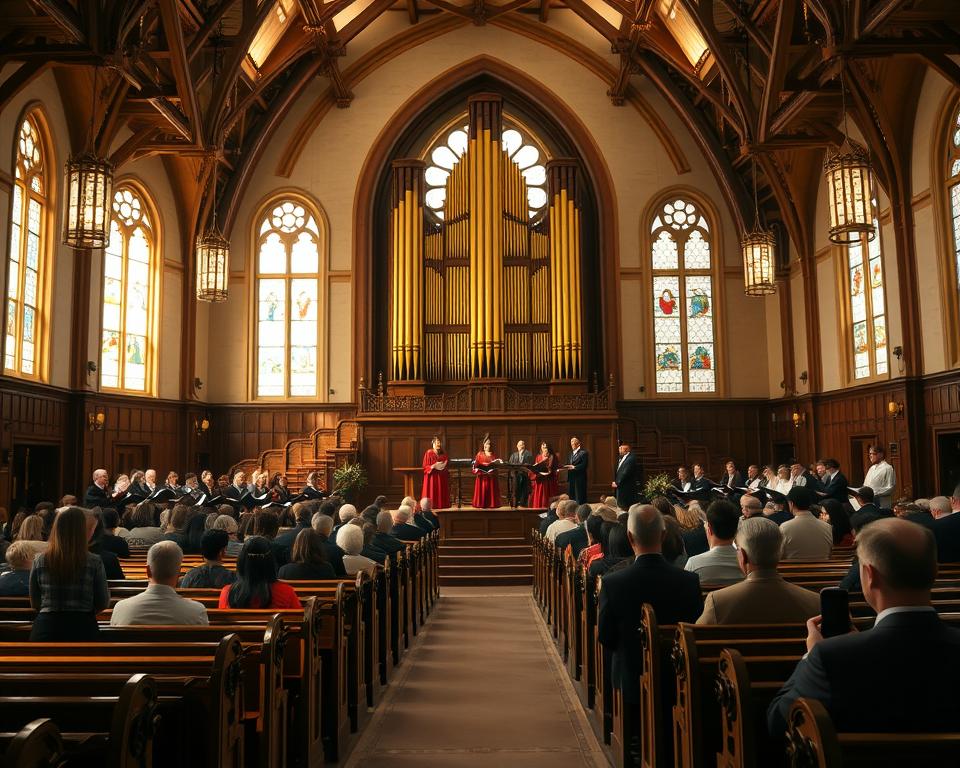
A diverse group of Seventh-day Adventists gathered in a sun-drenched sanctuary, their faces reflecting a deep sense of reverence and community. The warm natural light filters through stained glass windows, casting a gentle glow over their contemplative expressions. In the foreground, a family sits side by side, their hands clasped in prayer. In the middle ground, a choir leads the congregation in soulful hymns, their voices blending harmoniously. In the background, the ornate architectural details of the church building frame the scene, conveying a timeless, sacred atmosphere. This serene, contemplative image captures the essence of Seventh-day Adventist faith and its importance in the lives of its adherents.

Practical concerns include binge viewing, addictive algorithms, desensitization to sin, and peer pressure. Clear criteria help families and leaders guide choices that protect lives and honor God.

  • Time is a gift; choose content that enriches life and service.
  • Test media by Scripture and consider its influence on faith and relationships.
  • Positive options exist that build hope, truth, and healthy habits.

Core church context on media and entertainment

The seventh-day adventist church asks members to test each item by Scripture and by its effect on faith and conduct.

Seventh-day Adventist Church perspective and General Conference cautions

The General Conference issues cautions that focus on glamorized sin, harmful atmospheres, and risk to conscience across the years.

Church counsel favors questions over fixed lists. Leaders stress purpose, content, and influence when evaluating any film or broadcast.

“The theater has proved a hotbed of immorality; it stirs passion and lowers moral tone.”

— Testimonies for the Church, Vol. 4

a stately seventh-day adventist church with a tall steeple and decorative spire, surrounded by lush green trees and a well-manicured lawn. The facade features intricate stone carvings and large stained glass windows that cast a warm, golden glow from within. The entrance is flanked by sturdy columns and a set of grand wooden doors, inviting worshippers to enter. The scene is bathed in natural sunlight, with soft shadows and highlights adding depth and dimension. The overall atmosphere conveys a sense of reverence, spirituality, and timeless architectural elegance.

How local church leaders and members handle differences

Local church leaders set policies for places like youth chapels and schools. They weigh message and medium together.

Members raise practical questions about movies, platforms, and ratings. Leaders guide discussion using Scripture, facts, and grace.

  • Guidelines ask: What is the purpose? Who benefits? What influence will this scene have?
  • Policies adapt as the world moves viewing from theaters to living rooms.
  • Unity matters; conscience applies principles case by case to protect young viewers.
ConcernDenominational ResponseLocal Action
Glamorized sinGeneral Conference cautions and teachingLimit exposure; preview before group viewing
Theater atmosphereHistoric warnings from leaders and counselPrefer uplifting programs in church spaces
Home viewingApply Scripture tests, not blanket bansSet family rules and discuss impact

Adventist views on entertainment

Members are encouraged to weigh each movie, song, or program by its effect on the mind and heart.

Scripture gives principles, not a fixed list. The adventist church teaches that people should test content by Philippians 4:8 and 1 Thessalonians 5:21. Good music and film can serve truth when they uplift and align with God’s word.

Not every secular item is rejected. Still, the world often normalizes vice, so the way a theme treats sin matters more than technical skill. Time, context, and likely influence guide decisions.

“Finally, brothers, whatever is true, whatever is honorable, whatever is just, whatever is pure, whatever is lovely, whatever is commendable—if there is any excellence, think about these things.”

— Philippians 4:8
  • Start with purpose: what does this movie or song point toward?
  • Ask about effect: will it build hope or weaken character?
  • Use prayer, counsel, and family discussion before choices.
CriterionQuestionSuggested Action
PurposeDoes this teach truth or merely shock?Preview and discuss before viewing
EffectWill it uplift or desensitize?Limit or avoid if it harms faith
ContextDoes time use crowd out better things?Choose alternatives that build hope

Bible principles that guide choices

Scripture supplies simple standards to judge what enters the mind. Use these tests to shape daily habits and guard character. Key texts include 1 Thessalonians 5:21, Proverbs 4:23, Philippians 4:8, and Matthew 6:21.

Test all things and hold what is good

Ask a clear question before you press play: will this build faith and life, or will it weaken them? Study the content by Scripture and hold only what is good (1 Thessalonians 5:21).

Guard the heart and the senses

Guard the heart because it directs the person. Guard the senses because they carry content to the heart (Proverbs 4:23). Ellen White warned against placing oneself where temptation is strong.

Think on what is true, pure, lovely, and praiseworthy

  • Reject items that twist truth or normalize vice (Philippians 4:8).
  • Avoid unhelpful content even if it is lawful (1 Corinthians 10:23).
  • Choose a course that supports prayer, service, and steady growth.

Music: how Adventists assess lyrics, purpose, and effect

Music affects the mind and guides feeling. The adventist church sets clear standards so songs build faith rather than weaken it.

Sacred and secular: place, purpose, and impact

Sacred or secular labels do not decide value. The key is purpose and effect. If lyrics and sound lift thought and honor God’s word, they may have a place.

Nine music guidelines summarized for practical use

  • Glorify God and match Philippians 4:8 in theme and tone.
  • Show quality, balance, appropriateness, and authenticity.
  • Offer a positive effect on mind and body.
  • Keep melody, harmony, and rhythm in proper order (1 Corinthians 14:40).
  • Use lyrics consistent with Scripture and good morals.
  • Align music and words so communication is clear.
  • Balance spiritual, intellectual, and emotional elements.
  • Allow cultural differences while guarding against pride.
  • Choose pieces that form part of worship, work, and rest.
FocusQuestionPractical Step
LyricsDo themes match Philippians 4:8?Preview and discuss before regular use
SoundDoes music support the message?Adjust arrangement to favor clarity
EffectWill it steady thought or excite base passion?Prefer calming, thankful selections

Note: Ellen White affirmed music for praise and warned against forms that stir low passions. Seventh-day adventists use these guidelines so people choose music that honors God and builds hope.

Movies: story, themes, and influence on the mind and character

Films shape habits of thought; careful viewers ask what a story teaches about virtue and consequence.

Adventist viewers test each movie for truthful themes, honest portrayals, and the influence it will place on the mind.

What to watch for in themes and scenes

Look at how a scene treats wrongdoing. Does the story glamorize sin or show its cost?

Ask whether the plot strengthens conscience, models mercy, or praises revenge and pride.

  • Check theme: truth, justice, mercy, and consequence.
  • Note portrayal: honest, exploitative, or sensational.
  • Decide if the story builds character or dulls sensitivity to wrong.

Positive examples and ministry productions

Examples like Tell the World and The Hopeful present church history and hope in Christ.

Ministries such as Hope Channel, Amazing Facts, Voice of Prophecy, and 3ABN produce films and series that teach Bible truth and model healthy storytelling.

“The theater has proved a hotbed of immorality; it stirs passion and lowers moral tone.”

— Ellen White

A wise viewer pauses when unsure, checks content notes, and selects the better movie with confidence.

Ellen White on drama, theater, and enacted programs

Ellen White warned that certain dramatic places and shows can shape habit and character in harmful ways. She named theaters as a danger because they often carry low songs, lewd gestures, and suggestive expressions that can corrupt youth.

Warnings about theaters, lyceums, and cheap theatricals

The risk of cheap theatricals

She saw how, over the years, lyceums and literary groups slipped from study into cheap theatricals. This shift, she wrote, crowded out reverence and true learning in the church and in institutions.

Notes on simple enacted programs that uplift

Uplifting, limited enactments

In 1888 she allowed that a simple enacted part in Sabbath School might teach well if it drew minds to Jesus. Her questions for planners were plain: does the scene point to duty and faith? Do hymns and readings lift the heart?

ConcernHistorical notePractical guidance
Dangerous placesTheater labeled a “hotbed” of immoralityAvoid programs that glamorize vice
InstitutionsSanitariums warned against theatricalsFavor healthful productions and study
Children’s trainingSimple enactments allowed with limitsUse clear hymns, readings, and faithful content

Church settings: sanitariums, schools, and youth programs

Where people meet matters: place and purpose must guide every program.

Sanitariums, schools, and youth halls carry meaning. Leaders set an atmosphere that points to God and invites thoughtful participation.

Historical counsel urged Battle Creek Sanitarium to avoid theatricals that excite craving and lower moral tone. Lyceums and literary societies need firm guidance to stay focused on truth.

Why atmosphere and purpose matter in church spaces

Leaders choose formats that encourage singing, prayer, testimony, and service rather than spectacle. Members help by offering plans and by leading programs that engage children in truth.

  • Plan with place and mission in mind.
  • Prefer restraint, respect, and content that builds conviction.
  • Measure world trends by clear Scripture standards before adopting them.
SettingRiskRecommended focus
SanitariumsSensational programs that stir appetite for pleasureHealthful lectures, music, and restful study
SchoolsLyceums that drift into cheap theatricsCurriculum-linked drama and honest discussion
Youth hallsSpectacle that values thrill over faithActive service projects, worship, and clear teaching

Home viewing: VCR, streaming, and living room choices

The living room now acts like a public theater, so families must set clear rules for what plays there. With VCRs and streaming, a single movie can reach every person at once. That makes selective choices essential.

How to keep a healthy media atmosphere at home

Treat the living room as a place of choice where each film reflects your family’s goals. Set written guidelines so others know the standard before pressing play.

Preview movies when possible. Use trusted reviews that list language, sex, violence, and worldview. Be ready to stop a film that crosses a line.

  • Protect the sense gates: turn off autoplay and limit viewing time.
  • Talk with children about why some choices are off-limits.
  • Keep devices out of bedrooms and charge them in a common area.
  • Schedule reading, games, service, and rest so screens do not fill the best hours.

Close each week by naming one lesson a movie taught and whether it matched your faith. Invite others to share better options and rotate hosts who model good picks.

Questions Adventists ask before watching or listening

Before pressing play, a simple set of questions helps a viewer decide if a film will build faith or weaken it.

Use Philippians 4:8 as the first test. Ask whether content keeps the mind on truth, purity, and what is lovely.

Does this content align with Philippians 4:8?

Does the point match truth, honor, and good report?

Will the tone and outcome keep the mind on purity?

How will this affect my walk with Jesus and my relationships?

Will this movie help me love God and others more?

Will it cool prayer, weaken service, or strain family ties?

Is the portrayal of sin glamorized or discouraged?

Does the story show sin as costly, or as clever and fun?

Will a person excuse wrong behavior after watching?

  • Can I recommend this to others in good conscience?
  • If any key question earns a “no,” choose a better option now.
  • Test all things; hold what is good (1 Thessalonians 5:21).
Key questionWhy it mattersSuggested action
Aligns with Philippians 4:8?Protects thought life and characterPreview; refuse if it distracts the mind
Builds love for God and others?Strengthens devotion and relationshipsFavor and share with family or group
Glamorizes sin?Normalizes vice and hurts conscienceAvoid and discuss harm if already seen

Practical help: teach young people to ask these short questions. For a deeper habit of worship and discernment, see how to cultivate a heart for worship.

Young people and families: guidance that builds discernment

Good training helps young people connect what they watch with the choices they make each day. That link makes media a teaching moment for family and church leaders.

Helping children and teens think and choose with wisdom

Teach a short course for choices: pause, pray, preview, and decide with a parent or mentor. Make the steps simple so teens can repeat them without coaching.

Use a brief study guide that points to Philippians 4:8 and 1 Thessalonians 5:21. Ask young people to write short answers they can explain to a friend.

Group activities that model positive choices

Run sessions where teens evaluate a clip by worldview, theme, and likely impact. Invite them to suggest titles that pass the test and to give reasons.

  • Teach young people to ask clear questions and record answers.
  • Show how repeated exposure to profanity, violence, or sexual content can dull the conscience.
  • Plan family nights that mix service, play, music, and one carefully chosen film.
  • Encourage teens to lead a short segment that teaches peers how to review content.

Leaders should praise wise choices and correct poor picks with calm reasons and better ideas. Build a small library of trusted options so good choices become an easy part of family life.

Leaders and members: unity with room for conscience

A healthy fellowship balances firm biblical standards with kindness in applying them. Leaders teach clear Bible principles. Members follow those guides while using conscience where cases are complex.

The seventh-day adventist church urges people to avoid judging others. The call is to model Scripture, not to cast stones. When leaders and members differ, charity wins over sharp disagreement.

Families may keep stricter rules to guard children. The adventist church supports parents who set boundaries for home and youth programs.

  • Leaders and members agree on core Bible tests and allow conscience in hard cases.
  • Talk and patient explanation help others understand standards without pressure.
  • When disputes arise, leaders guide a calm review of Scripture and practical steps.

Unity grows as leaders listen, act fairly, and keep the focus on faith and witness. Simple group rules help church events reflect shared values and protect mission.

Time, place, and purpose: setting healthy boundaries

Make time for what matters. Set limits so family, work, and faith come first. Short, clear rules protect daily habits and steady growth.

Match the place with the purpose. Choose content that fits worship halls, schools, and homes in a wise way. Avoid programs that change expectations or make simple, faithful acts seem dull.

Decide the way media supports goals. Use screens for rest, learning, or fellowship. Skip items that fight those goals or pull attention from duty and prayer.

  • Set time limits so your best energy serves God, family, and work before screens.
  • Close devices at meals, during study, and near sleep to protect lives and routines.
  • Keep Sabbath free of entertainment that draws the mind away from worship and service.
  • Use shared calendars to block reading, visiting, and exercise before optional screen time.
  • Adopt one life rule: never watch what you would be ashamed to discuss with your pastor or child.

Plan your week and log screen time. The world rewards attention; do not drift. Review monthly what helped and what harmed. Adjust rules without delay.

Teach children why boundaries bring freedom and peace. Show the same rules at home. Simple limits form habits that protect life and keep hearts tuned to Scripture and hope.

Practical steps for selective viewing and listening

A planned routine helps each person turn streaming choices into thoughtful acts.

Set criteria, preview content, and discuss themes

Create clear guidelines that match Philippians 4:8 and 1 Thessalonians 5:21. Place them where people see them before they press play.

Use trusted reviews that list language, sex, nudity, violence, and worldview. Preview or use filtered platforms. Exit any movie that breaks your rules.

Keep brief screening notes for each production so leaders and families can compare choices quickly.

Replace empty time with uplifting options

Plan blocks of time for reading, music, nature, and service so screens fill only leftover slots. Pair one short study passage with a single media pick each week.

Practice good communication after viewing. Ask three debrief questions: What did this teach? How did it affect faith? What action follows?

Invite others to share safe picks and to report items that failed the test. Each person tracks one habit change monthly, such as muting ads or skipping trailers.

StepActionWho
Write rulesPost simple guidelines visible to allLeader or parent
Screen firstPreview or use summaries for movies and productionsHost or person in charge
DebriefUse three communication questions after viewingGroup or family
Replace timeSchedule study, service, and rest before optional screensEveryone

Practical note: Build a short list of better movies from the seventh-day adventist church and other trusted sources. Review devices quarterly and adjust filters to support your goals.

Living with hope and a clear mind in a media-saturated world

A settled heart and clear mind come when people choose media that point to life and love. Fill the mind with God’s word and select content that builds hope and steady judgment.

God’s love gives power to say no to what harms and yes to what builds courage, compassion, and integrity. The seventh-day adventist church and the adventist church invite families to let Bible ideas guide screens and schedules.

Your choices carry influence. Replace empty noise with songs, stories, and studies that plant good ideas and lead to acts of mercy. Note one better choice each week. Walk forward with peace and hope, knowing Christ offers real joy and lasting life.

FAQ

How do Seventh-day Adventists decide what films or shows are acceptable?

Members apply biblical principles to media choices. They ask whether themes and scenes promote truth, hope, and moral good. Leaders encourage using Philippians 4:8 as a filter: focus on what is true, honorable, just, pure, lovely, and commendable. Practical steps include previewing content, checking reviews from trusted ministries, and discussing questionable material with family or church mentors.

What guidance does the Seventh-day Adventist Church offer about music?

Church guidance emphasizes lyrics, purpose, and effect on character. Music that uplifts, points to God’s truth, and fosters wholesome emotion is preferred. Members are urged to avoid songs that glamorize vice or stir unhealthy passions. Local leaders may provide clearer standards for worship services, schools, and youth programs.

How should families manage streaming, VCRs, and online viewing at home?

Create a family media plan that sets limits and screens content before children watch it. Keep shared spaces like the living room tech-free at certain times. Replace passive viewing with discussions, reading, family worship, or creative activities that build faith and relationships.

What did Ellen G. White say about theater and enacted programs?

Ellen G. White warned against excessive theatergoing and cheap theatricals that appeal to base instincts. She supported simple, uplifting dramatizations used for instruction or worship. Her counsel calls for careful selection of programs that promote moral growth and community uplift.

How do church leaders handle different opinions about media within a congregation?

Leaders aim for unity while respecting conscience. They provide teaching, counsel, and clear policy where needed, especially for institutions. Members are encouraged to discuss concerns kindly and offer alternatives rather than impose uniform bans on personal choices.

What Bible principles guide decisions about shows, music, and other productions?

Key principles include testing all things and holding fast to what is good, guarding the heart and senses, and thinking on what is pure and praiseworthy. These guide choices about themes, language, and portrayals of sin, assuring that media serves spiritual growth rather than harm.

How can young people be helped to choose wisely in a media-saturated culture?

Adults should teach discernment, model selective viewing, and provide reasons rooted in Scripture. Families and youth leaders can preview content together, discuss themes, and suggest positive alternatives. Group activities and media literacy help teens evaluate influence and peer pressure.

Are there practical criteria for selective viewing and listening?

Yes. Set clear criteria such as moral tone, truthfulness, emotional effect, and compatibility with faith commitments. Preview when possible, avoid content that glamorizes sin, and prefer productions that inspire service, love, and healthy relationships.

What should someone ask before showing a movie or playing a song at church or school?

Consider purpose, audience, and atmosphere. Will it uplift, instruct, or distract? Is the content appropriate for children and guests? Does it align with teachings taught by the local church or institution? If in doubt, choose material that clearly encourages faith and good character.

How do media ministries and educational productions fit into Adventist practice?

Media ministries and faith-based educational films are welcomed when they teach biblical truth, promote hope, and build character. The Church supports productions that evangelize responsibly and respect the dignity of people, using creative formats to spread the gospel.

How are unhealthy or tempting themes identified and avoided?

Content that normalizes violence, promiscuity, substance abuse, or deceit is considered risky. Members are taught to spot glamorization of sin and to avoid material that repeatedly stimulates harmful desires. The aim is to protect the mind and relationships.

What role does atmosphere play in church spaces like schools and sanitariums?

Atmosphere and purpose matter greatly. Institutions prioritize materials and activities that promote healing, learning, and worship. Music and programs should foster peace and reflection rather than sensationalism or excessive entertainment.

How can families replace empty screen time with uplifting options?

Plan alternatives such as family worship, nature walks, service projects, music practice, reading good books, and meaningful conversations. Encourage hobbies that build skills and relationships, and create routines that reduce impulsive viewing.

Does the Church have official lists of approved or banned media?

The General Conference and local conferences offer counsel, not exhaustive lists. They provide principles, publications, and resources to help members evaluate content. Local churches may set specific standards for their programs and institutions.

How should a person respond when friends or family choose different entertainment standards?

Respond with respect and grace. Share reasons calmly, suggest alternatives, and avoid judgmental attitudes. Unity is fostered by mutual respect, clear teaching, and exemplifying the values the community holds dear.

What questions help determine if a film or song aligns with Philippians 4:8?

Ask whether the content is true, honorable, just, pure, lovely, and commendable. Consider whether it encourages hope, love, and service. If it fails these tests, it likely does not support a mind focused on Christ.
Posted in Adventist LifestyleTagged Adventist beliefs, Adventist lifestyle, Christian values, Cultural engagement, Discerning audience, Entertainment choices, Healthy recreation, Media consumption, Spiritual discernment

Post navigation

Previous: What Adventists Teach About Modesty
Next: How to Lead Bible Study in Your Home

Recent Posts

  • Why Accountability Matters in the Workplace
  • How to Honor God Through Your Business
  • Bible Principles for Leading at Work
  • How to Keep Faith First While Pursuing Goals
  • Lessons from Craftsmen in the Bible

Recent Comments

    Archives

    • May 2026
    • April 2026
    • March 2026
    • February 2026
    • January 2026
    • December 2025
    • November 2025
    • October 2025
    • September 2025
    • August 2025
    • July 2025
    • June 2025
    • May 2025
    • April 2025
    • March 2025
    • February 2025
    • January 2025

    Categories

    • Adventist Lifestyle
    • Bible & Health Principles
    • Bible & Nature
    • Bible & Work Ethics
    • Bible Study Guides
    • Biblical Characters
    • Biblical Prophecies
    • Biblical Wisdom
    • Christian Apologetics
    • Christian Community
    • Christian Discipleship
    • Christian Ethics
    • Christian Leadership
    • Christian Teachings
    • Christian Worship Practices
    • End-Time Preparation
    • Faith in Action
    • Old Testament Studies
    • Prayer and Faith
    • Spiritual Growth
    • Ten Commandments Studies
    • The Covenant Code

    Meta

    • Log in
    • Entries feed
    • Comments feed
    • WordPress.org

    Related Posts

    Adventist church service structure
    • Adventist Lifestyle
    23 min read

    What to Expect in an Adventist Church Service

    • Anthony
    • November 28, 2025
    Adventist family life
    • Adventist Lifestyle
    8 min read

    Building a Strong Family the Adventist Way

    • Anthony
    • November 3, 2025
    Adventist mission work
    • Adventist Lifestyle
    9 min read

    Why Mission Work Is Central to Adventist Faith

    • Anthony
    • November 11, 2025
    Adventist views on alcohol
    • Adventist Lifestyle
    15 min read

    Why Adventists Avoid Alcohol

    • Anthony
    • November 23, 2025
    Copyright © 2026 JRS Bible

    Privacy Policy