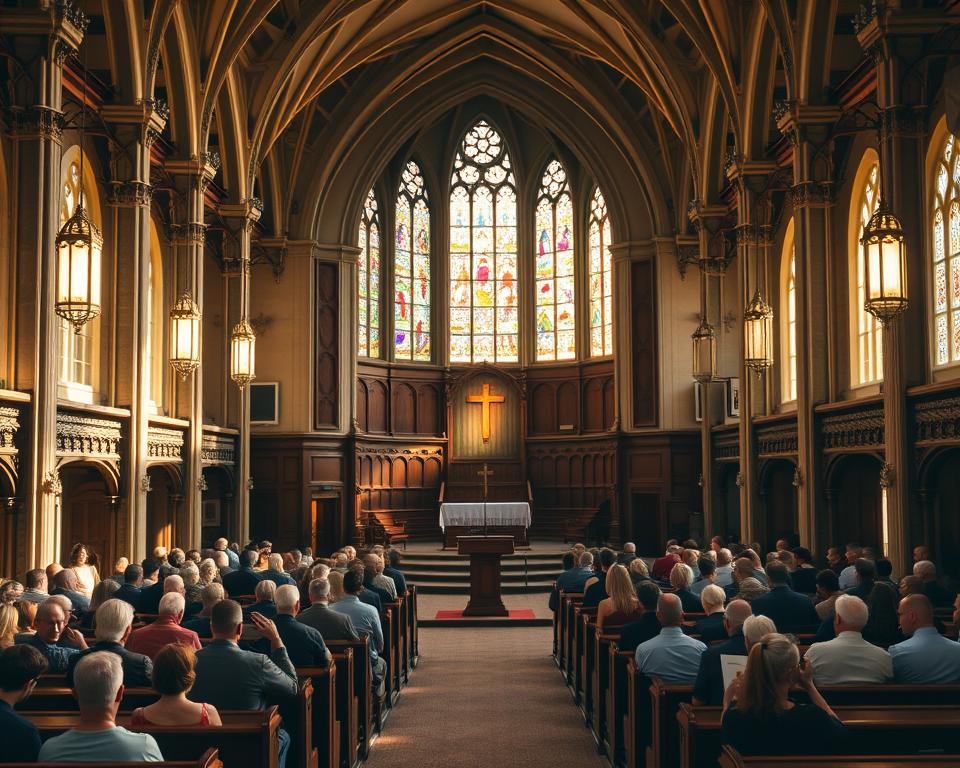
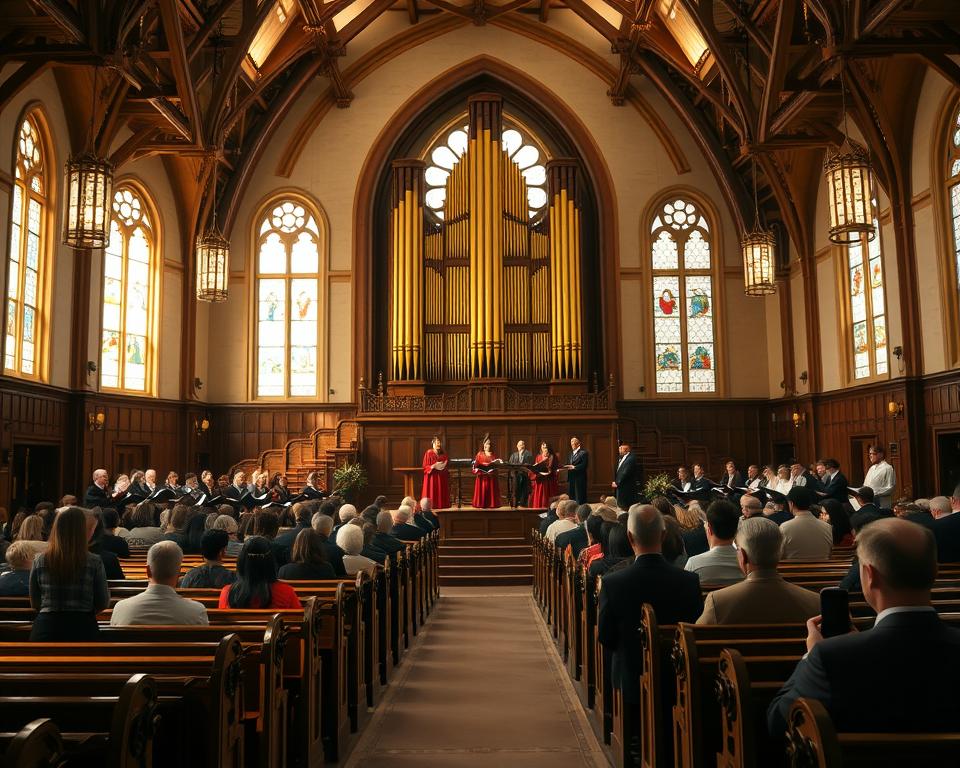
Adventist music standards shape how believers choose songs that point praise to God, not performers.
The 1972 Mexico City guidance asks that songs align with Scripture and avoid theatrical display. It stresses balance between feeling, thought, and faith so worship stays focused on God’s word.
Purpose is clear: bring glory to God (1 Corinthians 10:31) and let song words agree with Scripture and Adventist teaching. The guide names settings—worship services, evangelism, youth, home, schools, and secular listening—and offers practical guidance for each.
Readers will find plain, direct advice grounded in tested counsel and Bible references like Philippians 4:8. This short introduction sets the context and prepares people for a practical, Scripture-based discussion on choosing songs well.
Key Takeaways
- The 1972 guidelines frame how songs honor God and fit Scripture.
- Song words should agree with God’s word and church teaching.
- Guidance covers worship, evangelism, youth, home, schools, and secular listening.
- Primary goal: direct praise to God rather than to performers.
- Practical counsel helps people make wise choices in different settings.
Foundations of Seventh-day Adventist worship music
Music in worship must serve the message and support honest prayer and praise. This section lays out the core purpose and the practical qualities that guide song choice in the church.
Purpose: The primary aim is to glorify God and to support corporate praise and private prayer. Leaders look for songs that help the congregation focus on Scripture and truth.
Lyrics that align with Scripture: Words should agree with God’s word and with the church’s teaching. Leaders test whether the lyrics and the tune convey the same message and tone.
Balance of elements: Songs should combine feeling, thought, and faith response. This balance keeps worship from becoming theatrical or prideful.

- Choose hymns and songs that fit the occasion and local context.
- Seek qualities of dignity, clarity, and excellence in every selection.
- Pray for guidance as you select and sing to keep the focus on life shaped by Scripture.
Adventist music standards
Worship selections must place the message of Scripture before melody and show.
Qualities to seek: dignity, clarity, excellence
Dignity keeps tone respectful and sober. Songs should fit the context of worship and the audience.
Clarity means words are plain and scripturally true. Leaders check lyrics first to ensure the message leads.
Excellence covers preparation and performance. Good rehearsal and modest presentation raise the value of the service.
What to avoid: theatrical display and mixed sacred‑profane signals
Guidance warns against styles or forms that mimic secular show. Avoid performance that draws attention to the self.
Leaders cultivate awareness of style, form, and volume so songs serve the words and the Word.
| Focus | Seek | Avoid |
|---|---|---|
| Tone | Dignified, reverent | Theatrical, showy |
| Lyrics | Clear, scriptural | Mixed sacred/profane themes |
| Performance | Prepared, humble | Sensation-driven, self-focused |
| Style/Form | Appropriate to setting | Genres that blur worship purpose |
Music in the worship service: hymns, songs, and instrumental guidance
Worship works best when the congregation is the primary instrument of praise. Leaders must plan so people sing, not merely observe. Planning helps the church join each part of the service.
Congregational singing and the role of great hymns
Select great hymns with strong melody and clear words that point praise to God. Teach simple parts and use clusters of hymns to build confidence and unity.
Choirs, anthems, solos, and message-first performance
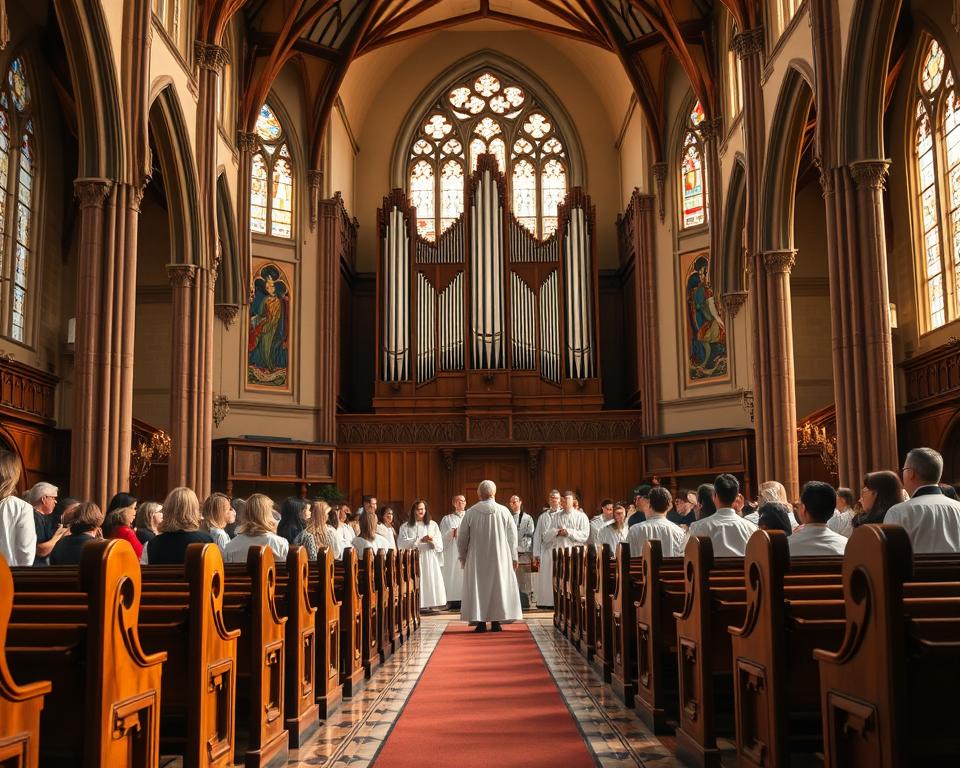
Choirs and soloists choose pieces that serve the text. The performer supports the message and avoids display that distracts the congregation.
Instrumental music: organ, piano, and accompaniment standards
Instrumental music should match lofty worship ideals and fit the ability of the player. The accompanist sets tempo, flow, and dynamics through preludes and hymn support.
- Plan for congregational singing first.
- Use selected music that fits the service.
- Avoid styles or elements that overpower words or people.
| Element | Seek | Avoid |
|---|---|---|
| Hymns | Strong melody, clear words | Theatrical show |
| Choirs/Solos | Message-first delivery | Self-focused display |
| Accompaniment | Supportive tempo and dynamics | Overpowering volume or style |
| Congregation | Active participation | Passive observation |
Music in evangelism and witness
In public witness, song choice prepares people to receive God’s word. Evangelism relies on clear, simple song selections that point hearers to Jesus and the gospel. The aim is to ready hearts, not to impress with performance.
Good outreach uses music that is melodic and understandable for a broad audience. Leaders plan order and flow so songs support the sermon and never replace the preaching.
Singers and players must avoid personal display. Calls and appeals stay honest and plain. Words should state the gospel clearly and avoid vague phrases.
- Prepare the way: choose hymns and simple songs that point to Christ.
- Order and simplicity: limit performance features and keep the program orderly.
- Balanced response: seek a blend of emotion and intellect so people can respond in faith.
- Lives that witness: musicians should live consistently so the witness carries weight.
Use guidance when selecting elements of praise and performance. Fit each choice to local context so the church can present the gospel with clarity and purpose.
Youth worship music: rhythm, style, and participation
Leaders must guide youth worship so energy supports truth, not sensation. Clear limits protect the message. Guidance helps teams choose rhythm, volume, and presentation that serve Scripture.
Rhythm and amplification: setting safe boundaries
Rhythm can evoke a strong physical response. Certain forms like jazz, rock, and hybrids often push toward sensation. Leaders set limits on beat and amplification to keep words audible.
Vocal and harmonic treatment that keeps the message clear
Singers should use natural tone and clear diction. Avoid raucous styles, breathy crooning, and electronic distortion. Restrain lush harmonies that bury the text with excessive 7th or 9th chords.
- Boundaries: set tempo and max volume so people hear words.
- Style choice: avoid forms that favor sensation over truth.
- Presentation: modest dress and restrained movement keep focus on God.
- Participation: invite youth with simple, singable songs that teach and repeat truth.
Every performance should exalt Christ, not the performers. Teach why certain choices harm attention to Scripture. The goal is a worship experience that leads to prayer, praise, and obedience.
Music in the home: habits that shape life and faith
Family hours that include hymn singing set a steady rhythm for faith and life. Early training forms taste and helps children prefer truth-filled songs.
Practical guidance: Parents plan short family worship that features great hymns and simple gospel songs. Keep sessions regular and short so children join easily.
Family worship, great hymns, and right listening
Teach children why words matter. Model calm, clear singing and explain how lyrics agree with Scripture.
“Daily singing and plain teaching build habits that outlast trends.”
Media choices and a home music library with value
Build a small program of singing, simple instruments, and a home library of selected music and songbooks. Choose recordings that have lasting value and match church guidance.
- Plan family worship with hymns and short songs of praise.
- Build right listening habits by picking selected music that feeds faith.
- Screen media and remove content that promotes vice or mocks holiness.
- Attend concerts that reflect church guidance and good example.
Parents model choices and teach children to write simple poems or songs that echo Scripture. Daily, faithful use of song can shape life and grow hope.
Music in Adventist schools and programs
Schools shape taste and judgment. Classroom choices guide students to select material that serves faith and clear doctrine. Teachers model how song selection supports worship and outreach.
Campus standards, ensembles, and witnessing groups
Campus policy should mirror church counsel for all religious functions. Administrators assign sponsors for ensembles and witnessing groups to protect focus and proper conduct.
Directors choose selected music for chapels and programs that fits the message and the local context. Staff train performers to keep the message first and avoid showy habits.
Adventist Education resources: Spotlight on Music and hymn-focused lessons
The North American Division adopted McGraw‑Hill Spotlight on Music as part of a four-year cycle. Grades 1–4 use grade 3; grades 5–8 use grade 5 for development and continuity.
The Adventist Education Music website adds hymn-focused lessons and review units. Schools should review any unvetted McGraw‑Hill grades before classroom use.
- Campus practice: radio and PA playlists follow the philosophy of the church.
- Curriculum: teachers teach literature usable in church and soul-winning.
- Formation: train students to evaluate texts and tunes by Scriptural guidance.
Secular music and Christian discernment
When listening to secular pieces, believers should ask whether the form and message build godly character. Test words and style by Philippians 4:8. Ask if content is true, pure, and worthy of praise.
The 1972 guidance warns against songs that make evil desirable. Avoid lyrics that are trite, empty, or that downplay obedience. Watch how rhythm, harmony, and volume affect thought and action.
Testing words and style by Scripture
Believers must read lyrics first. Reject any lines that distort truth or invite vice. Evaluate whether a secular tune, when matched with sacred words, still carries profane connotations.
Forms, trends, and how choices affect character
Be cautious with certain forms. Blues, jazz, rock, and similar trends often link to permissiveness in tone or beat. Leaders should teach how these elements shape life and moral courage.
- Guidance: test content by Scripture and plain reason.
- Awareness: note how elements of form influence behavior.
- Use: households set habits that protect value and the connection to God’s word.
- Others: lead with kindness when correcting taste.
Bringing it all together for worship that edifies
Good planning makes worship that invites the congregation to join, reflect, and respond.
Churches build worship on participation, clear words, and message-first choices. Leaders blend great hymns and new hymns so praise stays fresh and sound.
Teams plan for variety in theme, key, and pacing. A high degree of preparation helps congregational singing and instrumental music support the text without showy performance.
Use worship music to teach, exhort, and set mood while keeping the performer modest. Review material, teach parts, and guide others so musical expression serves Scripture and life.
Pray, explain the guidance, and invest time in training. Use music as a gift that builds faith, glorify God, and strengthen the adventist church and the broader church family.