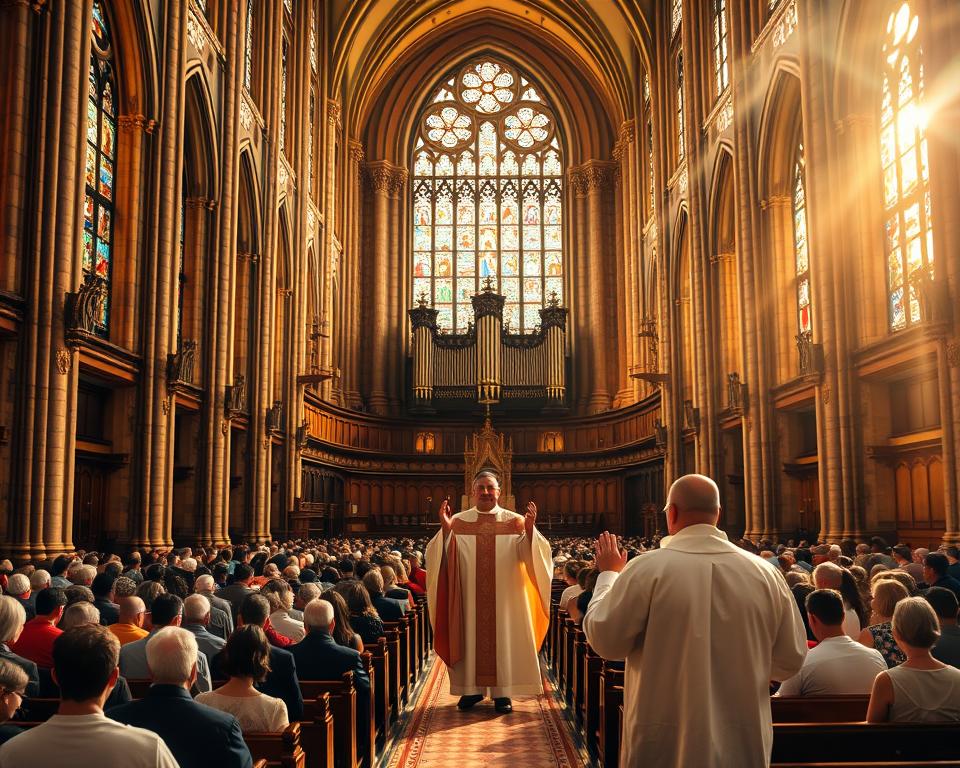

“Train up a child in the way he should go, and when he is old he will not depart from it.” — Proverbs 22:6. This timeless truth reminds us that faith grows best when nurtured together. Creating meaningful moments centered on God’s Word shapes not just today, but generations to come.
Like Rachel carrying her father’s idols (Genesis 31:30), we carry faith into our homes—intentionally. Start small: 10 minutes of Scripture, song, and prayer lays a foundation. Deuteronomy 6:6-7 urges us to weave truth into daily life, making worship a natural rhythm.
No expertise is needed. Just openness. Whether reading a Bible story, singing hymns, or sharing prayers, consistency matters most. These moments become anchors, guiding hearts toward hope.
What Is Family Worship?
Faith thrives when shared, and family worship is the perfect way to grow together. It’s more than a routine—it’s a daily commitment to center your home on God’s truth. No perfect formula exists, just hearts eager to learn and pray as one.
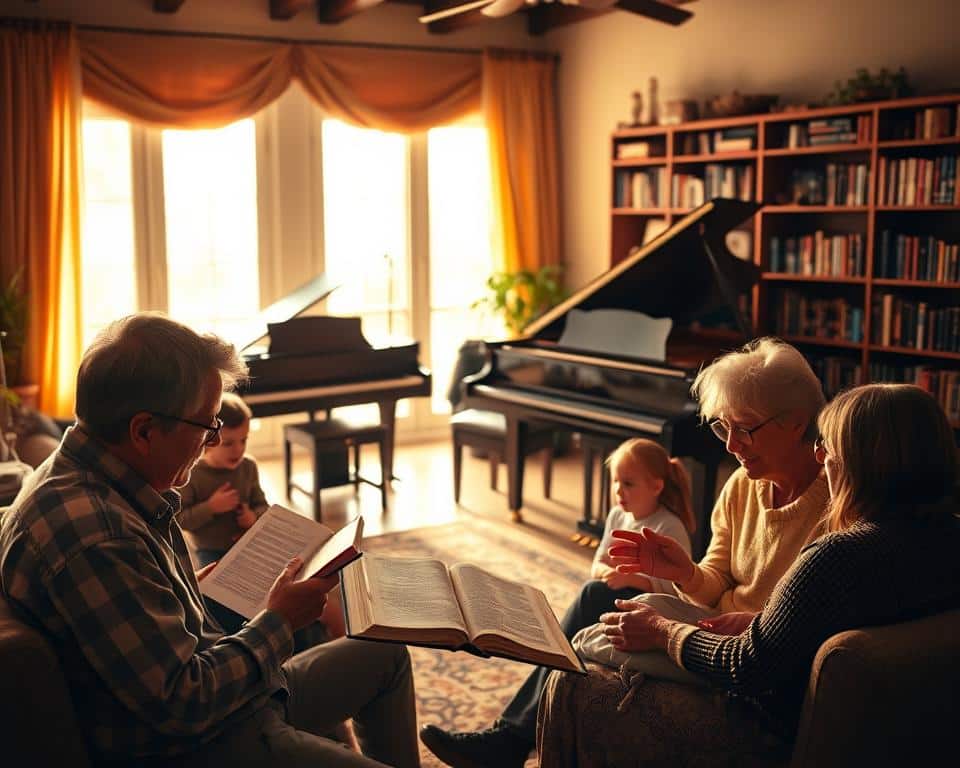
The Definition of Family Worship
Family worship is the regular practice of Scripture, song, and prayer led by parents. George Barna’s research shows that consistent faith practices at home shape children’s spiritual maturity. Think of it as an oasis of time—devices off, hearts open.
Missionary John Paton once recalled his father’s tearful prayers, which awakened his awareness of God’s presence. Like Cornelius’ household in Acts 10:33, families today can prepare to hear God’s voice together.
Why Family Worship Matters
Every home serves something—whether money, work, or the true God. Deuteronomy 6:6-7 urges us to weave faith into daily life. Without intentional worship, marriages and homes can fall into a “silo effect,” where faith feels isolated.
Joshua 24:15 puts it plainly: “Choose this day whom you will serve.” Family worship replaces chaos with connection, guiding each generation toward hope.
Key Elements of Worshipping with Family
Scripture, song, and prayer form the heartbeat of a faith-filled home. These practices weave God’s truth into everyday life, creating rhythms that nurture hope and connection. Let’s explore how each element strengthens your journey together.

Reading Scripture Together
The Bible isn’t just a book of rules—it’s God’s rescue story. Start with Exodus or Psalms, highlighting His faithfulness. Keep it engaging: ask questions like, “How does this show God’s love?” Even 10 minutes a day builds understanding.
Deuteronomy 6:6-7 reminds us to teach Scripture “when you sit at home.” Whether morning or night, consistency matters more than length. Let the Word spark conversations that last beyond your reading time.
Singing Hymns and Songs
Psalms mention singing over 150 times—it’s how we declare God’s goodness. Classics like “Amazing Grace” or “This Is My Father’s World” unite hearts across generations. No perfect voice required; just joy in lifting praise.
Need help? Use lyric videos or a simple instrument like a ukulele. Singing reinforces truth and creates memories. As Psalm 92:2 says, proclaim His love in the morning and faithfulness at night.
Praying as a Family
Prayer is more than requests—it’s thankfulness in action (Heidelberg Catechism Q116). Model simple, conversational prayers: “Thank You for today’s walk in the park.” Encourage everyone to share, even if it’s just one sentence.
Jason Helopoulos, a pastor, laughs about his kids’ distractions during prayer (like My Little Pony toys). Imperfection is normal. What matters is showing up, hearts open, day after day.
Biblical Foundations for Family Worship
The Bible offers timeless examples of faith nurtured at home. From altars to prayers, God’s Word shows how ordinary moments become sacred when centered on Him. These stories aren’t just history—they’re blueprints for today.
Old Testament Examples
Abraham led his household in faithfulness, teaching them God’s ways (Genesis 18:19). Like a father guiding his children, he modeled trust in God’s promises. Job took it further, offering sacrifices for his family’s protection (Job 1:5).
Jacob built an altar at Bethel, turning his home toward worship (Genesis 35:1-7). Contrast this with Rachel’s hidden idols—a reminder that what we prioritize shapes our legacy. Joshua’s declaration, “As for me and my house, we will serve the Lord” (Joshua 24:15), still echoes today.
New Testament Principles
Jesus welcomed children, showing their place in God’s kingdom (Mark 10:13-16). His actions taught that faith isn’t just for adults. Timothy’s faith grew because his mother and grandmother shared Scripture (2 Timothy 1:5).
Paul’s words in Colossians 3:16 urge us: “Let Christ’s word dwell richly as you teach one another.” Simple, daily habits—like singing or discussing truth—anchor hearts to hope. Just as the early church gathered in homes, our homes can be places of worship too.
Key Takeaway: Whether in tents or modern living rooms, God’s design for faith at home hasn’t changed. Start where you are, and let Scripture light the way.
Practical Steps to Start Family Worship
Starting small is better than not starting at all—faith traditions thrive on simplicity. You don’t need hours or expertise. Just a Bible, open hearts, and a plan. Here’s how to begin.
Choose a Consistent Time
Ecclesiastes 3:1 reminds us there’s a season for everything. Pick a daily anchor—like after dinner or before bed. Even 10 minutes builds rhythm.
- Post-dinner: Use this natural pause to reflect on the day.
- Bedtime: End the day with gratitude and Scripture.
Keep It Simple and Engaging
Joel Beeke’s method proves short, structured moments work best. Try this 5-minute template:
- Read 1 Psalm aloud (e.g., Psalm 23).
- Sing 1 verse of a hymn (like “Amazing Grace”).
- Pray 1 sentence each—thanks or requests.
Need resources? Hymnary.org offers lyrics; BibleGateway.com has reading plans.
Involve Everyone in the Process
William Gouge compared repetition to driving a nail—each strike deepens impact. Assign roles:
- Kids: Pick songs or lead prayers.
- Teens: Read Scripture or summarize the passage.
- Parents: Guide discussions and model vulnerability.
Miss a day? Restart without guilt. Progress > perfection.
Overcoming Common Challenges
Life’s busyness shouldn’t steal moments of faith—overcoming challenges makes worship meaningful. Whether it’s distractions or age gaps, small adjustments keep God’s Word central.
Dealing with Distractions
The world competes for attention. Combat phone distractions by using physical Bibles instead of screens. One couple even schedules worship like a medical appointment—protected time.
Simplify routines: For busy homes:
- Try 10-minute sessions after dinner.
- Use object lessons (e.g., baking bread while discussing John 6:35).
“The tyranny of over-busyness means saying no to good activities for the best one.”
Adjusting for Different Ages
Faith grows at every stage. Toddlers engage with felt boards; teens journal reflections. An elderly couple proves childless homes can worship too—adaptability matters.
Age-specific tips:
- Pre-readers: Act out Bible stories.
- Teens: Let them lead discussions.
- Mixed ages: Sing simple hymns together.
Like Fiddler on the Roof’s “Tradition,” routines anchor faith across generations. Start where you are, and let grace fill the gaps.
Long-Term Benefits of Family Worship
The ripple effects of daily faith practices extend far beyond today, shaping generations to come. Barna research shows 80% of faith-keeping adults grew up in homes with regular Scripture time. Your choices now plant seeds for future harvests.
Faith Growth Across Generations
2 Timothy 3:15 highlights how childhood exposure to God’s Word builds enduring faith. Like compounding interest, small moments multiply:
- Legacy impact: Your grandchildren will inherit this tradition of truth
- Daily reinforcement: Morning devotionals become lifelong compasses
- Shared language: Scripture discussions create common ground
One family’s Saturday donut ritual became sacred space—laughter over frosting while discussing Psalm 118:24. Simple joys forge unbreakable bonds.
Stronger Connections Through Truth
Worship exposes relational cracks before they widen. A Michigan couple found arguing decreased after implementing evening prayer. Why? Honesty before God fosters honesty with each other.
“Conflict shrinks when hearts kneel together.”
Adventist health principles remind us: wholeness includes spiritual routines. Centering homes on Christ brings peace that outlasts storms. Start small, but dream big—your faithfulness today writes tomorrow’s legacy.
Your Next Steps in Building Traditions
Today is the perfect day to begin weaving faith into your home. Gather a Bible, hymn book, and prayer journal—these simple resources anchor your daily practice. Like Margaret Emis’ Scripture cards, let truth guide your time together.
Pair with church tools: Adventist Family Ministries offers guides, or align with Sabbath School lessons. Start tonight with this prayer: “Lord, help us seek You daily.” Keep it joyful—sing a verse, share gratitude, and let God’s spirit lead.
Revelation 3:20 reminds us: Jesus stands at the door. Invite Him into your home rhythm. One step today plants hope for generations.
FAQ
What is family worship?
Family worship is a dedicated time when loved ones gather to focus on God’s word through Scripture, prayer, and songs. It strengthens faith and unites households in devotion. By engaging in family worship, members can build deeper relationships with one another and cultivate a spiritual environment at home. It’s essential to consider how to incorporate worship daily, perhaps by sharing a verse at breakfast, praying together before bed, or singing a hymn during car rides. These small practices can create a rhythm of worship that permeates everyday life.
Why is worshipping together important?
Shared moments of faith nurture spiritual growth, deepen relationships, and create lasting habits rooted in biblical truth. It’s a way to honor God daily.
How do I start a family worship routine?
Begin with a simple plan—choose a consistent time, read a Bible passage, pray, and sing a hymn. Keep it short and engaging, especially for younger ones.
What if my children have short attention spans?
Use interactive methods like storytelling, visuals, or short songs. Adjust the length to fit their needs while keeping their hearts focused on truth.
Are there Bible examples of family worship?
Yes! Deuteronomy 6 instructs parents to teach God’s commands at home. In Acts, households like Lydia’s gathered in faith, showing its importance.
How can we make worship meaningful for teens?
Involve them in leading discussions or picking topics. Relate Scripture to their daily struggles and victories, making faith relevant to their lives.
What if our schedules are too busy?
Even 10 minutes counts. Prioritize consistency over length—whether morning or night, God honors hearts eager to seek Him together.
Can single parents or small families practice this?
Absolutely. Worship isn’t about size but sincerity. Adapt traditions to fit your home—God sees and blesses every effort to honor Him.