

The phrase Adventist views on alcohol points to a clear, faith-based position that links health, Bible teaching, and community witness.
The seventh-day adventist church urges members to treat the body as a temple and to exercise self-control as an act of faith. Leaders in the 1800s, like Joseph Bates and Ellen G. White, taught temperance and cautioned against stimulants.
Medical research now backs that caution: global studies show use of certain substances harms life and health, and major agencies report no safe level for some products. This article will help readers see how Scripture, history, and modern evidence shape practice today.
Key Takeaways
- Faith and health connect: caring for the body is part of faithful living.
- Historic leaders and Scripture shaped the church’s stance and practice.
- Modern research highlights real risks tied to use of harmful substances.
- Many people choose abstinence as witness and protection for life.
- The article will explain beliefs, history, health facts, and practical steps.
What the Seventh-day Adventist Church teaches about alcohol and tobacco
Church teaching centers on honoring God through clear choices about health. The seventh-day adventist church frames conduct as part of faithful living. Members are urged to care for body and mind.
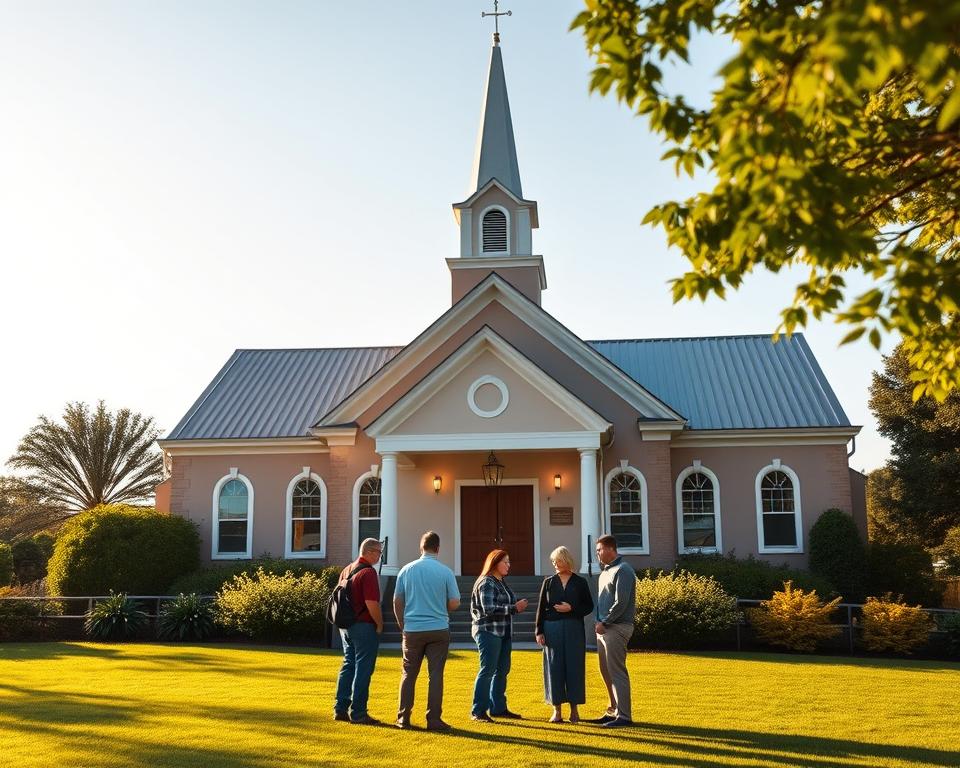
Church belief calls members to honor God with body and mind
The Fundamental Belief on Christian behavior asks believers to pursue purity, health, and joy. It calls for abstaining from alcoholic beverages, tobacco, and harmful drugs.
Our bodies are temples of the Holy Spirit
Church members are taught that their bodies belong to God. This belief links faith to daily choices about diet, rest, and substance use.
Self-control guides Christian behavior and lifestyle
The adventist church emphasizes self-control rather than coercion. Members are invited to study Scripture, pray, and form a sincere conviction.
“Engage only in what produces purity, health, and joy.”
- Avoid alcoholic beverages and tobacco for the sake of health and witness.
- Seek wise counsel, prayer, and Bible reading when facing temptation.
- Support comes from local church communities, not from shame.
| Teaching | Focus | Support |
|---|---|---|
| Bodily stewardship | Health and clarity | Prayer and Scripture |
| Abstinence guidance | Avoid tobacco and alcoholic beverages | Community and counsel |
| Self-control | Choices that protect others | Education and care |
Biblical principles that shape abstinence
Scripture treats wine in many ways, and careful reading separates description from command. The Bible records wine and strong drink without always prescribing their use.
Describe vs prescribe: how the Bible reports wine use
The text often tells what people did. That does not mean God told everyone to drink. Clear passages warn against excess and impaired judgment.
New wine vs old wine in Scripture
Writers distinguish new wine (fresh grape juice) from old wine. Jesus used this image to show that context matters. Not every mention implies fermented beverages.
Clear warnings about drunkenness and judgment
The Bible warns that drunkenness leads to reckless acts and poor judgment (Proverbs 23; Ephesians 5:18). Leaders are told to avoid strong drink so they can govern with wisdom (Proverbs 31:4-5).
“Do not let what you eat cause the one who believes to stumble.” — Romans 14:21
- The Bible describes wine but does not always prescribe drinking.
- Scripture shows new wine differs from old wine and may mean fresh juice.
- Warnings about drunkenness focus on the effects and the problem of impaired judgment.
- Paul’s teaching on influence calls believers to avoid actions that harm another’s faith.
The result: seventh-day adventists believe and the church often favor abstinence as a clear way to protect the mind, set an example, and avoid harms from beverages and use.

Health evidence today on alcohol and tobacco
Recent public health reports make clear that alcohol and tobacco carry real harms for people and families.
No safe level for alcohol:
“No level of alcohol consumption is safe for our health.” — World Health Organization
The WHO statement warns that even low doses raise cancer risk and harm coordination and judgment. Research links the effects alcohol brings to early memory and balance problems.
Tobacco and smoking harms:
The CDC reports that tobacco and smoking cause cancer, heart disease, stroke, COPD, and diabetes. Secondhand smoke injures people who live in the same home and raises risks for families.
- Even small amounts of alcohol can increase accident risk and unsafe choices.
- Data from the United States shows a large burden of disease from smoking each year.
- These facts explain why abstinence is a wise health choice for many people and for church life.
How Adventist history and the temperance movement set the path
In the 1800s, a rising temperance movement shaped how many churches answered questions about drink and habit.
Early temperance influence in the United States
Early seventh-day adventists in the United States joined a wider call for reform. They stood with groups such as the Woman’s Christian Temperance Union to protect home life.
Joseph Bates led by example. He removed alcoholic beverages from ship life and helped form a local temperance society.
Ellen White and Joseph Bates on stimulants and stewardship
Ellen G. White urged a broad view of temperance. She warned against stimulants and taught that people should avoid hurtful things and use good things with balance.
The adventist church organized health groups. In 1879 they helped form the American Health and Temperance Association to teach health, reform, and hope.
Result: This history gives people a clear example of faith meeting real problems. It shows a practical way that still guides many today.
| Year / Period | Leader or Group | Action | Impact |
|---|---|---|---|
| Mid-1800s | Joseph Bates | Removed drink from ships; local society | Practical example of temperance |
| Late 1800s | Ellen G. White | Wrote against stimulants; taught stewardship | Broad health and moral guidance |
| 1879 | Adventist Church & allies | Formed American Health and Temperance Association | Education and community reform |
Adventist views on alcohol and their effect on others
How one person handles a drink can affect friends, family, and the local church. Personal freedom meets responsibility when choices influence the safety and faith of others.
Personal choice considers community impact and example
Romans 14:21 urges believers to avoid actions that cause another to stumble. That principle guides decisions about drinking within a faith community.
About 29,544,000 people in the United States struggle with alcohol use disorder—roughly 10.6% of the population. This scale shows why members weigh personal acts against the wider harm they can cause.
- Members may abstain so a friend who struggles does not face a trigger.
- Families often bear the cost when drinking becomes a recurring problem.
- Church health and community trust strengthen when people protect one another by example.
- A choice to avoid the first drink can improve public health and help people keep promises to stay sober.
“Do not let what you eat cause the one who believes to stumble.” — Romans 14:21
Practical result: Simple, loving choices preserve health and show the power of faith in daily life. Community care matters as much as personal conviction.
Life without drinking: social connection and community
Shared service and simple celebrations build bonds without any need for alcohol. This approach keeps gatherings inclusive and focused on people rather than drink culture.
Groups model a healthy way to mark milestones. Many seventh-day adventists choose food, music, games, and service projects to celebrate.
Positive alternatives to drinking for events and milestones
Host a potluck, organize a hike, or plan a family game night. These options create memory and joy without pressure to drink wine or other drinks.
Prevention by offering something better
Prevention works when the group offers clear alternatives. Serving fresh juice for toasts and sharing volunteer work give purpose and hope.
- Community events that do not center on bars welcome all ages.
- Active recreation, creative nights, and service projects build strong bonds.
- People keep a clear mind and still feel seen, valued, and part of a caring group.
| Alternative | Why it works | Example |
|---|---|---|
| Outdoor activity | Encourages health and conversation | Hikes, sports, picnics |
| Service event | Creates shared purpose | Neighborhood clean-up, food drives |
| Home celebration | Low pressure, family-friendly | Potlucks, music nights, juice toasts |
Alcohol in Adventist life today in the United States
Survey data show that a small share of members report any regular use of alcoholic beverages.
A noted survey reports that 12% of seventh-day adventists drink alcohol in some form. Among those who drink, 64% drink wine one to three times per month. About 7.6% report daily wine use.
Many seventh-day members abstain for faith and health reasons. The seventh-day adventist church still teaches abstinence while respecting personal choice. Leaders encourage care, counsel, and compassion.
Some members drink, while many abstain for faith and health
- In the united states, some members drink while many choose abstinence for faith and health.
- Most who drink favor low-frequency wine rather than heavy use.
- Doctrine, witness, and medical fact are common reasons to avoid drinking.
- Data help church leaders plan teaching and support that meet real needs.
| Survey metric | Value | Practical note |
|---|---|---|
| Any alcohol use | 12% | Relatively low compared with general population |
| Wine, 1–3x per month | 64% of drinkers | Low frequency preference common |
| Daily wine use | 7.6% of drinkers | Small subgroup may need support |
Fact: Practices vary over time and by place. The church invites members to keep a clear witness and to support one another.
Treatment, recovery, and support for church members
Many church members find recovery that honors faith and medical care most effective. Treatment options are available that respect Scripture, provide counseling, and include medical oversight.
Faith-based rehab options and outcomes
Faith-informed treatment centers often combine prayer, Bible reading, and clinical therapy. Studies show programs that integrate faith can improve sobriety and retention.
These programs include pastoral support, group therapy, and relapse prevention taught in a clinical setting.
Journey to Wholeness 12-step recovery groups
The North American Division sponsors Journey to Wholeness, a 12-step group that meets weekly. The program points to Jesus Christ as the Higher Power and emphasizes honesty, accountability, and community.
“Recovery grows when people pair honest steps with steady support.”
Anti-smoking programs and practical help
The church launched a Five-Day Plan to Stop Smoking in the 1960s that still helps people quit tobacco and smoking. Clinics and pastors often use this plan alongside counseling and medication when needed.
- Access: Treatment respects faith and uses God’s word for hope and change.
- Structure: Faith-based rehab mixes prayer, Scripture, and clinical care.
- Programs: Journey to Wholeness offers weekly peer support and accountability.
- Prevention: The Five-Day Plan supports quitting tobacco and smoking with clear steps.
- Teams: Treatment teams address drugs, alcohol, and health needs in a coordinated way.
| Program | Main Components | Typical Outcome |
|---|---|---|
| Faith-based Rehab Centers | Prayer, counseling, medical care | Improved retention and sobriety rates |
| Journey to Wholeness | 12-step meetings, Bible study, peer support | Increased accountability and spiritual growth |
| Five-Day Plan to Stop Smoking | Structured quit steps, counseling, follow-up | Higher quit rates with ongoing support |
Common misconceptions about Adventists and alcohol
Misunderstandings about why people abstain or drink often miss the church’s emphasis on care and conscience.
Fact: the teaching asks for abstinence as a clear health and witness practice, yet it honors personal conviction. The church does not simply label a drink sinful; it urges wisdom.
Clear corrections:
- A myth says all members treat wine as always sinful. The reality is a focus on sobriety, example, and the harm that drinking can cause.
- Some claim every member drinks grape juice only. The position rests on choice and care, not a rule about one beverage type.
- Others say Scripture commands drinking. Scripture describes wine but warns about the harmful effects of excess and calls leaders to clear judgment.
- Data show a small share of members do drink alcohol, so it is false to say everyone is the same. That helps solve a common problem in public claims.
Leaders urge grace, truth, and patient help within churches. Many bodies around the world teach caution or abstinence. For a fuller background, see understanding the Adventist approach to healthy.
Choosing health, clarity, and love for others today
A simple, steady choice can keep your mind clear and your witness strong. Choose a way that protects life and promotes health. Make a short plan. Remove triggers and keep fresh options ready.
Use time to serve and to build community. Invite friends to a group that meets for support. Replace drinking with things that build others up.
The seventh-day adventist tradition offers teaching, care, and help for each part of the journey. People can drink less or not drink at all and still share joy at every event.
Act now: write a plan, seek support, and pray for strength. Take one clear step today for life, health, and love for others.