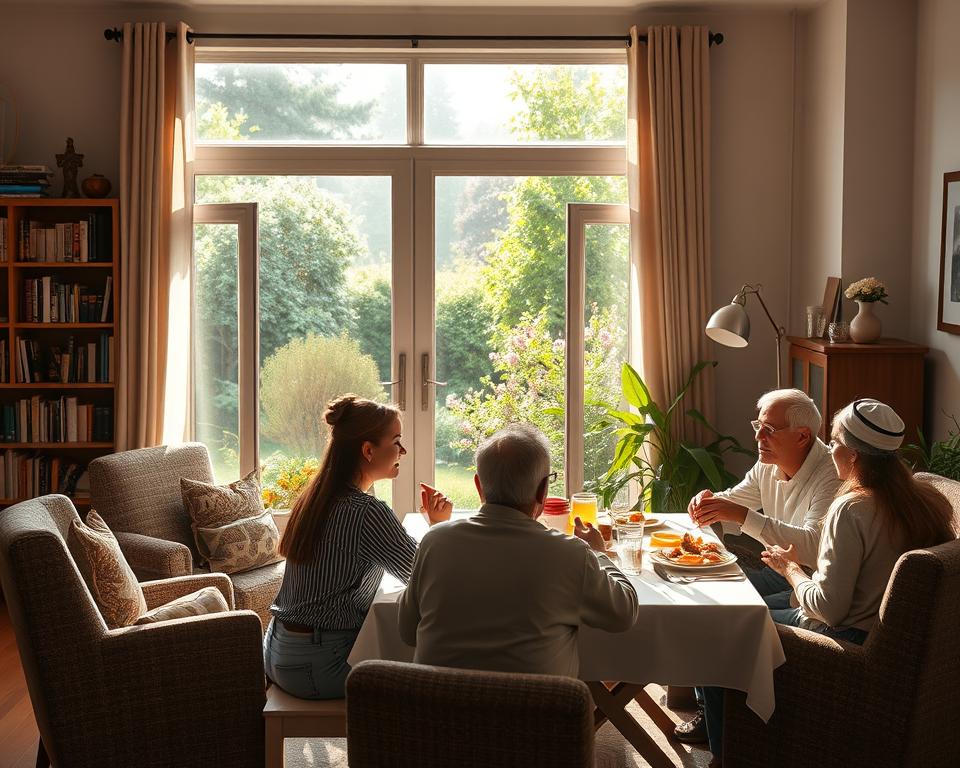
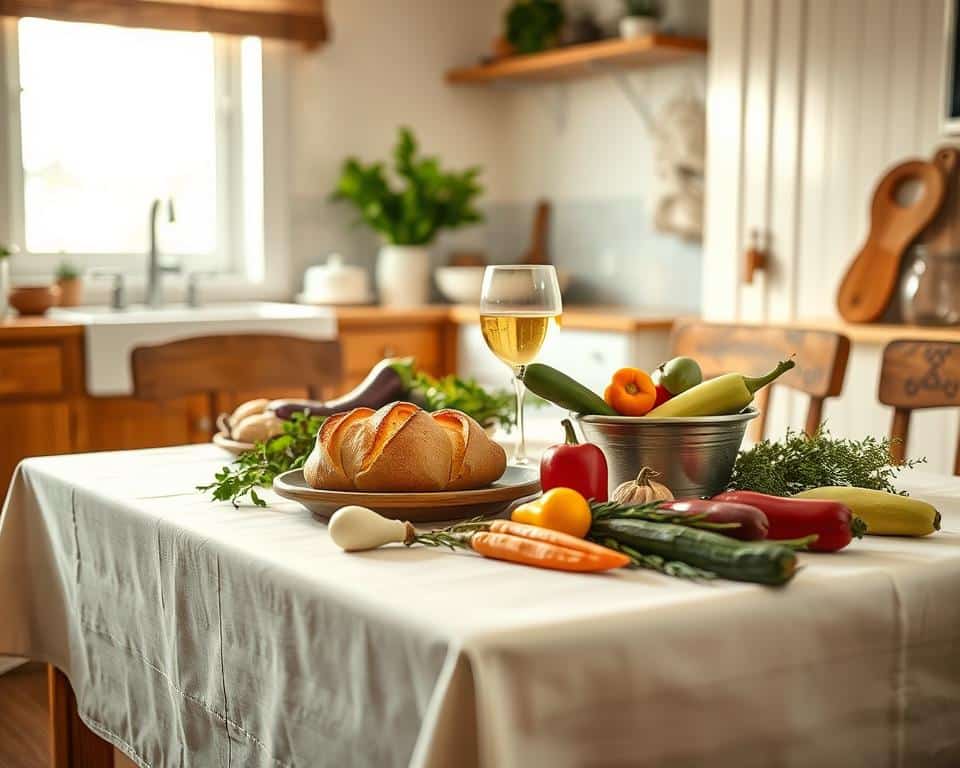
Sabbath meal preparation starts with a simple, repeatable plan that saves time and protects rest. This guide shows clear steps that use pantry staples, freezer backups, and quick reheating tips so families can enter the day with peace.
The approach keeps food simple and reliable. It highlights fast menus, short active-time recipes, and no-cook ideas for a quiet day. Parents and caregivers get practical tips that work at home or away.
This plan reduces last-minute stress. It helps you serve the family without long chores. Follow small systems to honor God’s word while protecting rest.
Key Takeaways
- Use a weekly plan with pantry staples and freezer backups.
- Pick recipes with short active time to save time and energy.
- Choose safe reheating methods to keep food tasty for the day.
- Include no-cook ideas to maintain a quiet, restful shabbat.
- Keep steps simple so the plan is easy to repeat each week.
Set your plan for a restful Shabbat
Plan early in the week so you spread tasks, protect your time, and keep evenings peaceful.
Choose a simple menu that fits your family and the day. Pick methods that align with your convictions, such as a slow cooker before sundown or cold options that need no heat.
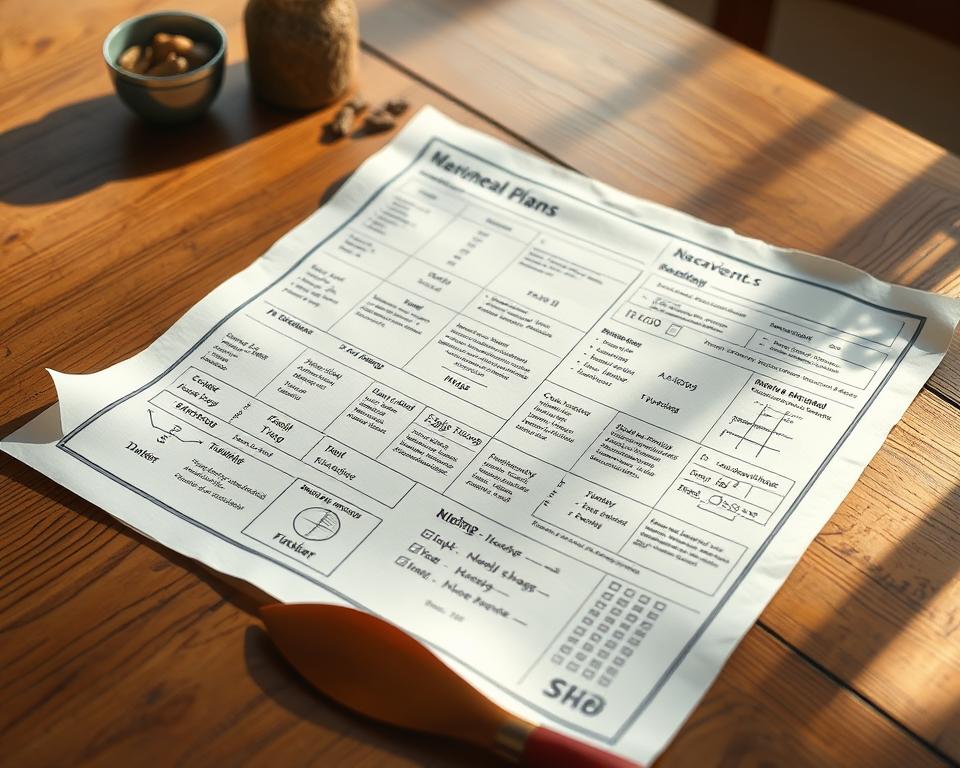
“A clear plan turns busy hours into calm service.”
- List Friday dinner and Sabbath lunch and note active time beside each item so you see the way forward.
- Write daily tasks like “shop,” “chop,” and “set table” to keep order and reduce stress.
- Confirm serving numbers so shabbat meals match your table without excess food.
- Mark items for takeout or prepackaged support and keep a short no-cook backup plan.
End your planning with prayer, asking God to guide your time and help you serve with a quiet heart. These simple tips keep focus on faith and family rather than fancy displays.
Sabbath meal preparation essentials and smart shopping
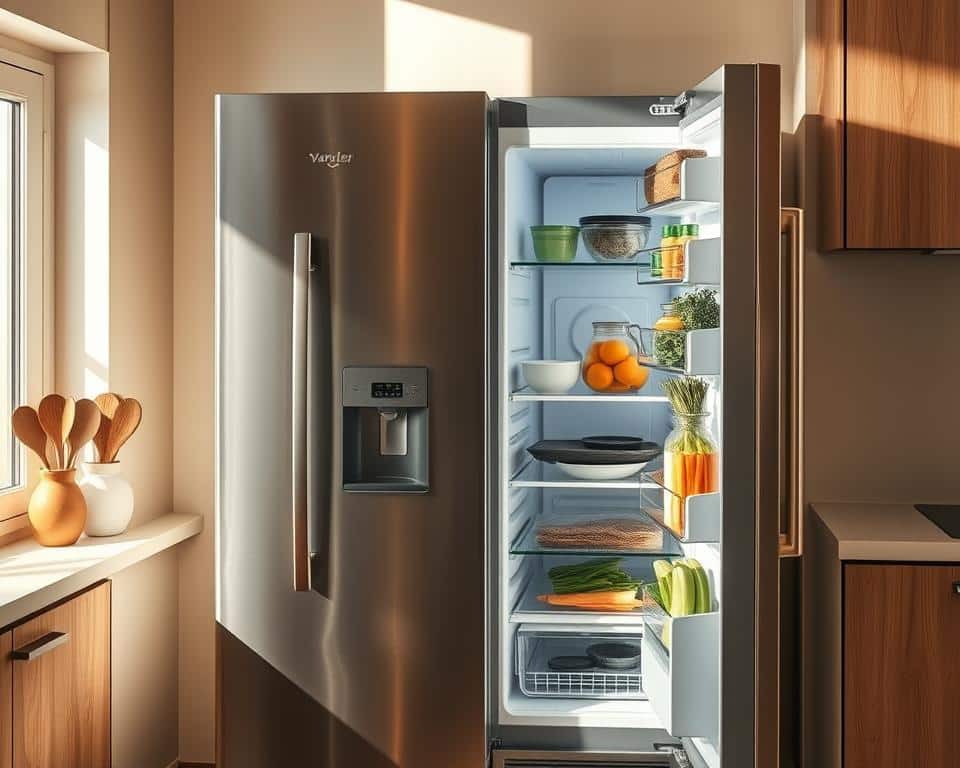
A short checklist of pantry and fridge staples keeps service day calm and predictable. Gather the right ingredients early to cut Friday stress. Plan what will sit out and what stays chilled.
Pantry checklist
- Tortilla chips, salsa, and crackers.
- Dried fruit, nuts, and nut butters.
- Canned grape leaves and refried beans.
- Olives, pickles, and jars of sliced onions.
- Whole-grain crackers for quick snacks.
Fridge and freezer staples
- Yogurt, bagels, and cream cheese for breakfast or lunch.
- Smoked salmon and cut veggies for fast plates.
- Label a freezer bin with backups like soups and casseroles.
- Keep a breakfast bin with fruit, instant oatmeal, and spreads.
Shopping tips for Friday
- Buy ready-to-eat breads and mild cheese from the bakery.
- Pick up dips: hummus, guacamole, and prepared salads.
- Choose produce that rinses fast: baby carrots and cherry tomatoes.
- Use a short checklist so you restock only the foods you will serve.
| Category | Key Items | Serve Ideas |
|---|---|---|
| Pantry | Chips, salsa, crackers, beans | Snack plates, quick sides |
| Fridge | Yogurt, cream cheese, bagels, cheese | Bagels, yogurt bowls, cheese trays |
| Freezer | Soups, frozen casseroles, backup proteins | Heat-and-serve dinners |
Practical note: Keep a small jar of sliced onions and pickles. They lift simple plates and save time. Use this list weekly to stay ready and restful in service to God and family.
Prep on Thursday night to save Friday time
Finish key tasks on Thursday night so Friday stays calm and focused. Do clear, short steps that set Friday up for easy service. Work in advance where possible and keep each item labeled for quick action.
Assemble cholent in the slow cooker insert
Put beans, grains, and seasonings in the slow cooker insert. Cover and place the insert in the fridge. In the morning, seat the insert in the base and start on low.
Load chicken soup ingredients in the crock insert
Layer stock, bones, vegetables, and herbs in the crock insert. Cover and refrigerate. Turn the base on Friday morning for a long, gentle simmer.
Season and pan-prep chicken and vegetables
Season proteins and arrange vegetables in the cooking pan. Add liquids and cover. Put the pan in the fridge so it waits ready for heat.
Label pans with bake temps and notes
- Write bake temperature, required water, and serve notes on each label.
- Place small spice bags next to each pan to add only what the label states.
- Group pans by order of use and leave space in the fridge for airflow.
- Put a short night checklist on the counter and set the slow cooker base out for a quick morning setup.
| Task | Where | When | Notes |
|---|---|---|---|
| Cholent assembly | Slow cooker insert | Thursday night | Cover, refrigerate; start on low Friday |
| Chicken soup | Crock insert | Thursday night | Load ingredients; switch on morning |
| Roast pan | Baking pan | Thursday night | Season, add liquid, label temp/water |
Final tip: Work in advance to protect Friday for family and worship. These clear steps make the morning setup fast and sure.
Fast Friday cooking: simple dishes and shortcuts
Smart shortcuts turn busy afternoons into calm evenings. Use quick recipes and one-pan plans so the host spends less time at the stove and more time with family and faith.
Quick-cook choices
Pick items that finish fast and hold well. Choose chicken cutlets or drumsticks for steady results. Add couscous that steeps in hot water for a quick grain side.
One-pan ideas
Combine proteins and sides in a single pan. Bake chicken with rice and broccoli, or roast a tray of chicken, potatoes, and carrots.
Mixes and pre-seasoned items
Use pre-seasoned poultry or a spice mix to shave minutes from seasoning. Canned or boxed bases can speed sauces and dressings.
Fresh salads that assemble fast
Make a grain salad with rice or farro and a simple dressing. Toss a leafy salad and top it with deli or sliced chicken for quick protein.
- Choose chicken cutlets or drumsticks — they cook fast and deliver steady results.
- Roast veggies at a high oven setting for color and a quick finish.
- Use couscous with hot water so active cooking time stays low.
- Build one-dish dinners like chicken with rice and broccoli to cut cleanup.
- Set a timer and move to table setup while dishes cook to save time.
Reheating and holding food the right way
A consistent reheating plan keeps dishes tender, safe, and ready to serve. Use clear steps for each recipe so nothing is overcooked or dry.
Brisket and red meat in sauce: Cook ahead, chill fully, then slice cold. Rewarm slices submerged in gravy so the meat stays tender and moist.
Chicken timing and rewarming: Roast at 375°F—white meat 45–60 minutes, dark meat 60–75 minutes. Let the bird rest, then place pieces on a second tier to warm gently so they do not dry out.
Soups for night and day: Serve soup hot for night service. Plan a chilled or room‑temperature soup for day so service is smooth and safe.
Salads and veggies: Cut items ahead and add dressing just before serving. Blanch green beans until barely tender and warm them on a tier to keep color and bite.
Kugel and potatoes: Kugel reheats and freezes well. Roast potatoes close to serving and crisp them briefly in the oven before holding.
Desserts: Cool fully, freeze in dry bags, and defrost without trapping moisture. Give pans room for air and watch sides so each side dish holds well without drying.
No-cook meals, freezer backups, and prepackaged helpers
Rely on fridge-ready plates and labeled freezer dishes so anyone can serve. Keep instructions short and lists concrete. The goal is simple service that honors God’s word and protects rest.
No-cook picks
- Sandwiches with sliced cheese and cold cuts for quick lunch or light dinner.
- Hummus plates with cut veggies, olives, and pita for easy sharing.
- Green salads, fruit bowls, and yogurt with granola for a fresh option.
- Keep an “instant plate” bin with dips, sliced cheese, and washed produce.
Freezer backups
- Label lasagna, stuffed peppers, burritos, and soups with bake temps and water amounts.
- Add kugel, veggie burgers, and pizza so a full dinner is ready fast.
- Rotate contents so proteins and sides cover lunch and dinner needs.
Prepackaged and takeout helpers
- Buy canned stuffed grape leaves as a bright, quick side.
- Keep jarred or frozen gefilte fish; bake in a pan with water per label.
- Use store kugels, schnitzel, or a sushi platter when cooking is not possible.
- Keep cream for coffee service so guests feel welcome with little setup.
Sample Shabbat menus with active-time notes
These ready plans place active time beside each course so tasks stay clear. Each plan lists simple recipes and an active-time estimate so you can pace tasks and protect the day of rest.
Busy friday night plan
Tomato soup (active 10 min) + grilled cheese (active 8 min). Breakfast: oatmeal or yogurt (set-up 5 min). Lunch: salad with stuffed grape leaves, hummus, and olives (active 7 min). Dinner: pull a labeled freezer dinner and add a quick salad (active 5–10 min).
Hosting plan
Crock pot soup started early (active 15 min), roasted chicken (active 20 min to season), rice and steamed broccoli (active 10 min). Add store-bought stuffed grape leaves and a purchased kugel for variety with very low extra work.
Balanced plan
One-dish chicken tray for friday night (active 20–25 min). Day course: baked salmon and cholent (salmon active 10 min; cholent started overnight). Serve kugel and a fresh salad to round the plate.
“Keep a small list of onions, canned beans, and potatoes ready to add volume with little effort.”
Keep it simple and focus on rest
Choose foods and steps that free you to welcome the day with peace. Keep recipes small and repeatable so the house rests and the family can gather without fuss.
Keep it simple. Guard your time with a short prep list. Use labeled freezer dishes and ingredients that work across dishes to cut extra work.
Place veggies, fruit, cheese, and cream cheese in one fridge zone for fast plates. Warm items gently in the oven or a pan to keep textures right. Bake only what blesses the table; use store bread or challah if that preserves your calm.
Let these tips guide your cooking and service so shabbat meals point hearts to Scripture and rest. Simple plans protect time, send stress away, and help the family honor God’s word.