

Healthy living for Adventists begins with clear choices that link Scripture to daily care of the body. This hook points to simple habits that honor the body as a temple and invite hope through practical steps.
The guide outlines eight core principles known as NEWSTART: Nutrition, Exercise, Water, Sunlight, Temperance, Air, Rest, and Trust in God. These elements form a faith-rooted plan that supports long-term health and wellness.
Readers will see how Scripture such as 1 Corinthians 6:19-20 and 3 John 1:2 frames care of the body and mind. The text links Loma Linda outcomes and global research with plain steps you can use at home.
The structure is practical. It shows belief, daily action, and the role of community in lasting change. Expect clear action points that fit life in the United States and foster service to others.
Key Takeaways
- The NEWSTART principles give a clear path to better health.
- Scripture frames care of the body as honoring God’s word.
- Practical steps link research and everyday habits.
- Community support helps make changes stick.
- The guide focuses on faith-based wellness and purposeful life.
Why faith shapes health for Seventh-day Adventists
Belief and practice shape choices that protect the body and mind among Seventh-day Adventists. The church teaches that Scripture guides daily actions. This guidance links faith to how members eat, sleep, work, and rest.
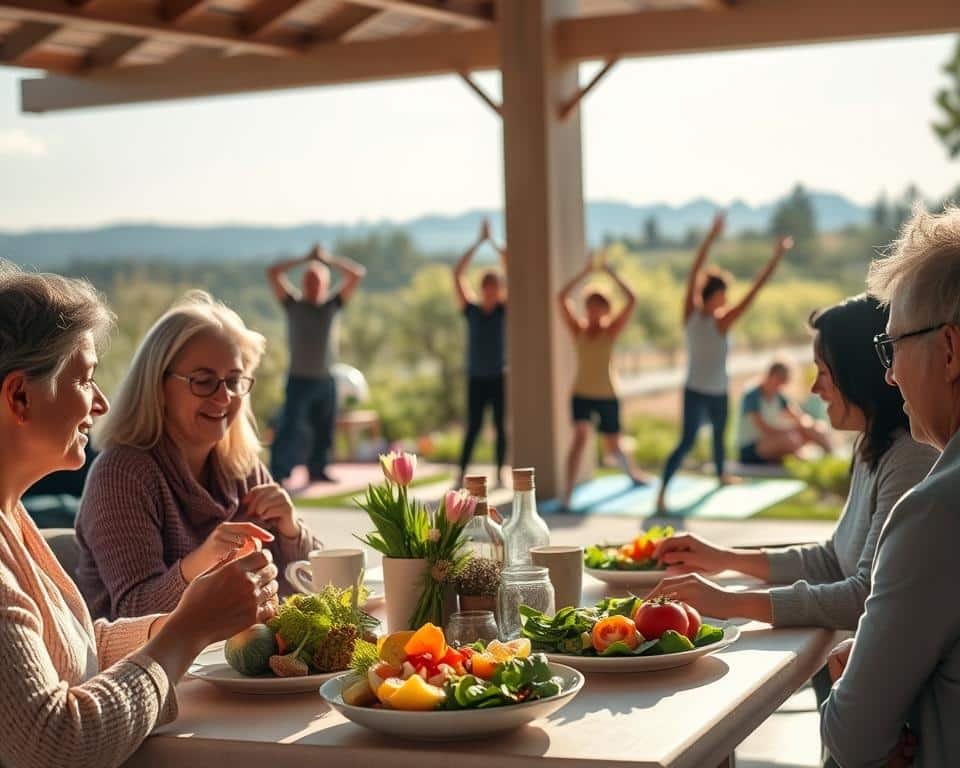
Body as a temple: biblical basis
Adventists cite 1 Corinthians 6:19-20 and 3 John 1:2 as clear calls to honor the body. These verses frame the body as a temple and encourage seeking prospering in health. Care becomes a form of worship and obedience.
“Do you not know that your bodies are temples of the Holy Spirit?”
Stewardship of life: mind, body, and spirit
Stewardship asks members to use time, energy, and resources to protect health and serve others. Trust in God lowers stress and helps sustain good habits.
- Faith shapes choices about sleep, food, movement, and media.
- Self-control supports clear thought for prayer and service.
- Programs teach practical care skills for the whole person.
| Focus | Action | Result |
|---|---|---|
| Body as temple | Respect diet, rest, conduct | Longer, clearer service |
| Stewardship | Use resources wisely | Stronger community care |
| Trust | Pray and rely on God | Lower stress, steady progress |
Principles taught here are not mere rules. They are steps rooted in God’s word that lead to steady growth, not perfection. This section sets the stage for the eight core elements that follow.
NEW START principles at a glance
The NEW START framework names eight actions that shape diet, activity, and rest. It comes from Weimar University and follows teachings found in Ellen White. These pillars guide practical care in churches and health ministries.
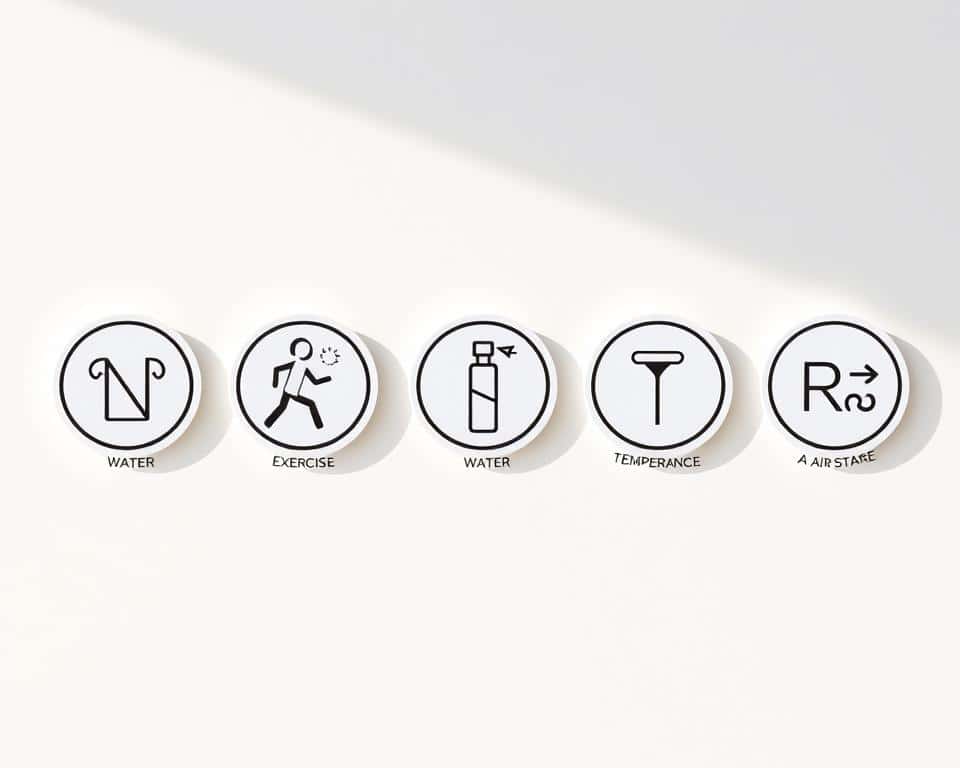
Nutrition, Exercise, Water, Sunlight
- Nutrition: Eat a plant-forward pattern with whole foods that supply fiber, vitamins, and minerals.
- Exercise: Move regularly to protect heart health, build strength, and lift mood.
- Water: Drink plain water each day and use hydrotherapy wisely in care settings.
- Sunlight: Get safe sun exposure to aid vitamin D and steady mood.
Temperance, Air, Rest, Trust in God
- Temperance: Exercise self-control; avoid alcohol, tobacco, and mind-altering substances.
- Air: Seek fresh, clean air to support lungs and mental clarity.
- Rest: Keep daily sleep routines and observe a weekly Sabbath that renews body and mind.
- Trust: Rely on God to anchor hope, lower stress, and build resilience.
Note: These eight principles work best when people practice them together each day. The framework guides food, movement, and worship in ways that support overall health.
| Principle | Daily Action | Main Benefit |
|---|---|---|
| Nutrition | Choose whole plant foods | Better digestion and nutrients |
| Exercise | Walk, strength work, stretch | Heart and mood support |
| Rest & Trust | Sleep well; pray and rely on God | Recovery and lower stress |
| Water, Sunlight, Air | Hydrate, get sun, breathe fresh air | Vitamin D, clarity, lung health |
Nutrition that supports long life
A plant-forward plate centers meals around whole grains, beans, fruits, and vegetables. Genesis 1:29 points to an original plant diet that many follow today.
Plant-based focus: fruits, vegetables, whole grains, legumes
Choose oats, brown rice, quinoa, lentils, chickpeas, and a mix of leafy greens. These foods supply fiber, B vitamins, and minerals.
Action: Plan meals that feature beans and whole grains three times a week. Batch-cook pots of beans, rice, and stews.
Healthy fats, nuts, and seeds for balance
Use olives, avocado, walnuts, flaxseed, and chia to add omega-3s and satiety. A small handful of nuts makes snacks more filling.
Reducing processed foods and added sugars
Limit soda, candy, and packaged snacks. Many in the Adventist community reduce meat and choose clean options sparingly to lower risk.
| Focus | Example foods | Benefit |
|---|---|---|
| Whole grains & legumes | Oats, brown rice, lentils, beans | Fiber, steady blood sugar |
| Nuts & seeds | Walnuts, almonds, flaxseed | Healthy fats, satiety |
| Less processed food | Fresh fruit, steamed greens | Lower calories, better heart health |
What Adventists eat day to day
Simple, whole-food meals shape day-to-day routines and fuel service, study, and rest. This approach leans on plant-based patterns that favor whole grains, legumes, fruits, and vegetables.
Sample meals built on whole foods
Breakfast often starts with oatmeal topped with fruits and nuts or whole-grain toast with peanut butter and banana. These choices provide steady energy and fiber.
Lunch can be a grain bowl: brown rice, black beans, corn, tomatoes, and avocado. Dinner might be a lentil stew with carrots and kale over barley or quinoa.
Snacks stay simple: apples, carrots with hummus, or a handful of almonds to keep blood sugar steady between meals.
Grocery tips for budget-friendly choices
Scan labels and pick short ingredient lists. Buy staple grains and legumes in bulk. Frozen vegetables and canned beans save money and time without losing nutrients.
- Plan weekly meals and build a shopping list to avoid impulse buys.
- Use a pressure cooker to make beans and whole grains quickly.
- Favor plain items and prepare sauces at home to cut added sugar and fat.
Note: A regular meal pattern plus rest supports steady energy and mood. Those daily habits help explain the added years observed in Loma Linda among seventh-day adventists.
Exercise for strength, mood, and longevity
Exercise that fits daily routines gives better mood, stronger muscles, and long-term benefits. Simple targets and safe options help people of most ages stay active and steady in service.
Weekly targets and simple activity ideas
Aim: Adults should get 150 minutes of moderate activity or 75 minutes of vigorous activity each week.
Brisk walking 30 minutes a day, five days a week, meets the basic target for many. Add two short strength sessions per week to support joints and bone health.
- Brisk walking, jogging, swimming, or cycling.
- Bodyweight or light-resistance strength work twice weekly.
- Gardening as whole-body movement and purposeful work.
- Short sessions across the day add up to the weekly goal.
Outdoor movement that pairs with sunlight and fresh air
Take walks outside when possible. Outdoor time adds sunlight and air, which can lift mood and sharpen focus.
Stretch after activity to aid recovery. Track steps or minutes to stay accountable and celebrate progress.
Water habits that boost wellness
Water is the body’s working fluid, and simple habits make it a steady source of strength.
Daily intake goals: Adult men should aim for about 3 liters per day and adult women about 2.2 liters. Spread intake across the day and drink more when you exercise or when it is hot.
Daily intake goals and timing
Start with a glass after waking to rehydrate. Drink a small glass before meals to aid digestion and portion control.
- Men: ~3 liters plain water per day; women: ~2.2 liters.
- Spread drinks across the day; increase with activity or heat.
- Clear urine color usually signals good hydration.
- Limit sugary drinks and make water your default choice for better health.
Hydrotherapy in Adventist health settings
Wellness centers in the Adventist tradition use hydrotherapy, including contrast showers and supervised baths, as part of clinical care. These methods may aid recovery when applied by trained staff.
Why it matters: Adequate fluid supports kidney function, temperature control, joint care, and mucous membranes in the nose and air passages. Good hydration can cut headache risk, sharpen attention, and lower some disease risks when combined with other habits.
Sunlight exposure done safely
Short, safe periods in direct sun give practical returns for vitamin D and mood. Mid-day light triggers quick vitamin D production while brief exposure limits burn risk.
Vitamin D benefits and mood support
Ten to fifteen minutes of noontime summer sun can produce roughly 10,000 IU of vitamin D, according to Neil Nedley, MD. This nutrient supports bone and immune health and can lift mood on a cloudy day.
People with limited outdoor time should consider testing and medical guidance on supplementation. Faith communities often pair safe outdoor time with walking and fellowship to boost both life and hope.
SPF guidance and time-of-day strategies
The American Academy of Dermatology recommends broad-spectrum SPF 30 or higher for prolonged outdoor time. Reapply every two hours and after swimming or heavy sweat.
- Short mid-day exposure helps vitamin D while lowering long-term skin risk.
- Hats, sunglasses, and shade reduce burn risk at peak hours.
- Pair outdoor walks with sunlight to combine exercise and mood support.
- Hydration with water improves comfort and performance in heat.
- Early morning or late afternoon walks give light with less burn risk.
“Moderation and protection make safe sun a steady source of well-being.”
| Goal | Action | Benefit |
|---|---|---|
| Vitamin D | 10–15 min midday sun in summer | Rapid vitamin D production; bone and immune support |
| Skin protection | SPF 30+, reapply every 2 hours | Reduced burn and long-term skin damage risk |
| Daily habit | Short walks, hat, water, shade | Mood lift, exercise, hydration |
| Limited sun | Test vitamin D; consult clinician | Safe supplementation and monitored levels |
Fresh air for clearer minds and healthier bodies
Clean air and simple habits at home sharpen focus and guard the lungs.
Practical steps are easy to add to daily routines. Open windows when outdoor quality is good. Take short outdoor walks to reset attention and lift mood.
When outside air is poor, use houseplants and a HEPA filter to improve indoor conditions. Avoid smoke exposure and heavy traffic routes to protect long-term lung function.
- Walk outside for a quick reset during work or study.
- Ventilate rooms by opening windows when safe.
- Use plants and HEPA filters when outdoor air is unhealthy.
- Practice breathing exercises in clean air to reduce tension.
- Prefer parks and trails over busy roads; morning air can ease movement.
Clean air at home also helps sleep quality and reduces nighttime coughing. These simple choices protect lungs and improve overall health in every part of the world.
Rest that renews daily and weekly
Daily sleep routines and a weekly day of pause together restore body and mind.
Sleep routines that improve recovery
Adults need 7–8 hours each night to recover from stress and exercise. Set a fixed bedtime and wake time to keep sleep cycles steady.
A dark, cool room helps the brain wind down and deepens sleep. Limit screens and heavy meals in the hour before bed to lower nighttime disruptions.
- Fixed schedule: same bedtime and wake time daily.
- Bedroom habit: dark, cool, and quiet supports deeper sleep.
- Evening routine: dim lights, light reading, or prayer instead of screens.
- Short breaks: brief pauses between tasks during the day reduce stress and protect focus.
The Sabbath as weekly rest for worship and peace
Exodus 20:8-11 commands a seventh-day rest. The Sabbath gives a weekly day to stop work, worship God, and renew hope.
Families plan simple meals, nature time, and gentle fellowship to keep the day peaceful. Church attendance builds bonds and strengthens resilience for the week ahead.
Regular sleep and Sabbath rest lower burnout, support immune health, and aid recovery after exercise. Rest is an act of trust and a gift that protects long-term health and shows care for the body and soul.
Temperance and self-control in daily choices
Temperance steers daily choices so the mind stays clear and the body avoids harm. This principle calls believers to consistent restraint that supports worship, service, and steady progress.
Avoiding alcohol, tobacco, and mind-altering substances
Seventh-day Adventist teaching urges members to avoid alcohol, tobacco, and other mind-altering drugs. The counsel is firm yet compassionate: remove substances from the home and set clear boundaries.
Abstinence lowers risk of cancer, heart disease, and many injuries tied to impaired decisions. When dependence occurs, seek counseling and medical care without shame.
Moderation that supports long-term health
Temperance also means moderation in screen time, work hours, spending, and portion sizes. Wise meat choices and portion control cut excess calories and saturated fat.
- Protect judgment: temperance preserves clear thought for prayer and service.
- Plan escape: identify triggers and a safe way out of risky situations.
- Get support: church groups and accountability partners strengthen resolve.
| Focus | Action | Benefit |
|---|---|---|
| Substance avoidance | Remove alcohol/tobacco from home; set rules | Lower disease risk; clearer decisions |
| Moderation habits | Limit screens, work, and spending | Better rest; less stress |
| Diet control | Portion meat wisely; favor plant meals | Reduced calories; heart health |
| Support systems | Counseling and accountability partners | Sustained progress and relapse care |
Trust in God as a pillar of wellness
Trust in God steadies the heart and gives clear purpose amid daily stress. This faith offers simple, evidence-informed ways to lower tension and stay motivated in habits that protect the body and mind.
Hope, purpose, and lower stress load
Prayer and Scripture help people reframe fear and quiet anxious thoughts. Regular reading and brief prayers reduce rumination and shift attention to action.
Community support strengthens change. Shared meals, encouragement, and practical help make habits easier to keep and setbacks simpler to face.
- Trust gives hope that steadies the heart during trials.
- Gratitude and forgiveness lower anger and protect relationships.
- Service to others lifts mood and gives meaning to daily tasks.
“Come to me, all who labor and are heavy laden, and I will give you rest.”
| Action | Effect | Practical step |
|---|---|---|
| Prayer & Scripture | Lowered stress | Daily 5–10 minute readings |
| Gratitude & Forgiveness | Better mood & relationships | Evening gratitude list |
| Church community | Support and accountability | Small groups and shared meals |
Result: A life anchored in faith helps sustain long-term health goals and brings steady hope through trials.
Healthy living for Adventists backed by research
Population data from Adventist cohorts provide clear measures of diet and health outcomes.
The Adventist Health Study includes more than 96,000 seventh-day adventist participants across the United States and Canada. These large studies link plant-rich patterns to lower risk of obesity, high blood pressure, colon cancer, and high blood sugar.
Adventist Health Study insights on diet and disease
The research shows vegetarians in the cohort have reduced markers of chronic disease.
Vegans display the lowest average BMI of the diet groups. Vegetarian Adventists lived on average 1.5–2.4 years longer than non-vegetarians in the same cohorts.
- Large cohort studies show clear links between diet and disease risk markers.
- Vegetarians show lower risk for obesity and high blood pressure.
- Vegans have the lowest BMI among measured groups.
- Data tie plant-rich patterns to reduced colon cancer and blood sugar risk.
Loma Linda Blue Zone and added healthy years
Loma Linda, identified by Dan Buettner and National Geographic as a Blue Zone, reports up to 10 more healthy years than the average American. People there combine a plant-based diet with regular exercise and avoidance of alcohol and tobacco.
| Study or Place | Key finding | Measured effect |
|---|---|---|
| Adventist Health Study | 96,000+ participants; vegetarian vs. non-vegetarian | Vegetarians: 1.5–2.4 extra years |
| Diet groups (cohort) | Vegans vs. other diets | Lowest average BMI in vegans |
| Loma Linda, CA | Blue Zone population habits | Up to 10 more healthy years |
Result: These studies support practical steps taught by the church and inform doctors, dietitians, and pastors who guide members. For an overview of the Adventist approach and applied programs, see this guide on the Adventist approach to healthy living.
Community, programs, and resources you can use
Local churches and health ministries offer practical programs that help people put faith-based habits into daily practice. These programs make Scripture actionable and give clear tools to build better routines.
Cooking classes, seminars, and NEW START training
Congregations host cooking classes and health seminars that teach plant-based foods and simple methods. NEW START education from Weimar University provides structured courses across all eight areas.
Nedley Depression and Anxiety Recovery Program
Dr. Neil Nedley’s program offers group sessions and home-study options through the Nedley Depression and Anxiety Recovery Program. Churches and clinics run these programs to support mental wellness and social care.
Books, magazines, and mission-led partners
The Ministry of Healing and Counsels on Diet & Foods give Scripture-based guidance. Amazing Health Facts magazine explains the eight lessons and offers free Bible studies. Sanitarium supports health education in Australia and funds programs that reach the wider world.
- Local walking clubs and community gardens build habits and friendships.
- Many churches post events online so you can find nearby classes fast.
- Programs often include water, sunlight, and sleep strategies that add years to life when combined with daily care.
| Resource | What it offers | How people use it |
|---|---|---|
| Weimar NEW START | Structured education across eight areas | Workshops, leader training, curriculum |
| Nedley Program | Mood and anxiety recovery tools | Group sessions, home study |
| Amazing Health Facts | Eight Bible-based lessons, free studies | Magazines, outreach classes |
| Sanitarium | Mission-funded health projects | Community programs and funding |
Put the principles together and start today
Make a simple weekly plan. Choose one food goal, one movement goal, and one rest target. Tie each to a clear time: this day, this week, this evening.
Plan lunches and dinners around beans, greens, and whole grains. Schedule 30 minutes of walking or cycling most days and add two short strength sessions. Drink water on waking, mid-morning, mid-afternoon, and with dinner to meet daily needs.
Get short, safe sun each day and use SPF 30+ for longer outdoor time. Open windows daily or run a filter when outdoor air is poor. Protect sleep with a fixed bedtime and a calm pre-sleep routine.
Practice temperance: remove alcohol and tobacco, set screen limits, and keep the Sabbath clear for worship, nature, and family. Pray daily, read God’s word, and join a group to keep hope steady.
Start now: set one small task and repeat it each day. This way of care ties diet, exercise, rest, air, water, and trust into a lifestyle that supports longer, better life and steady wellness.