

“Courage, dear heart.” — C.S. Lewis.
I write as one who studies Scripture and walks with you. We follow God’s word and seek faith, not fear. I will use clear steps drawn from Mark 13 and 1 Thessalonians 4:18.
Our aim is simple: shape daily life by Scripture, keep watch with calm, and serve people near us. We will not guess dates. We obey Jesus and live steady.
The plan covers seven core ways that form a simple path. Each way lets you act with confidence. These habits guard faith and guide lives in any day.
Promise: I will keep language clear so you can read, act, and hold hope.
Key Takeaways
- We follow Scripture and prepare with faith, not fear.
- Mark 13 calls us to stay awake, alert, and calm.
- 1 Thessalonians 4:18 urges us to encourage one another.
- 2 Peter 3:10-12 reminds believers to live holy, doing good.
- Seven practical ways will shape daily habits and witness.
Search intent: people want clear steps on how to prepare for the end times
A common question is: what should I do every day to live ready?
Promise: I will give a simple way that lists actions you can use now. This is practical help, not debate.
I focus on actions and plain words from Scripture. Matthew 24:44 reminds us we do not know the day, so steady habits matter more than guessing dates.
- Scope: What to start, what to stop, and what to keep doing.
- Sources: God’s word guides each step. My aim is honest, hopeful teaching.
- Outcome: Move from worry into steady obedience and calm service.
Readers need clear direction amid many voices online. This section sets expectations and points you toward a plan you can follow with peace and purpose.
What Jesus told us about signs and timing in the last days
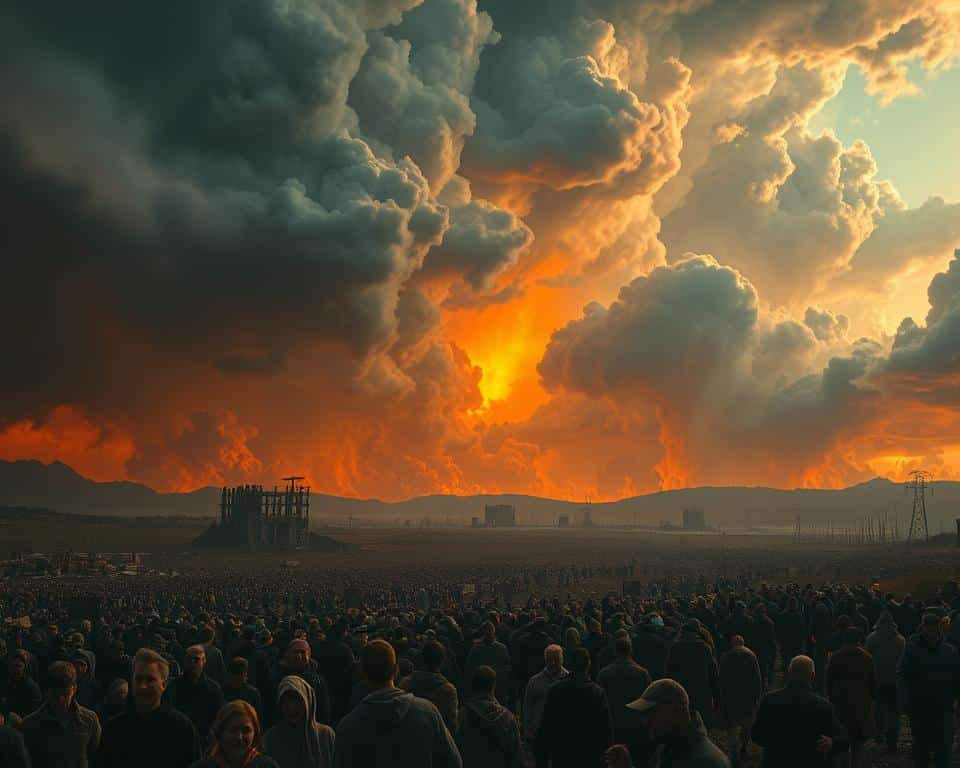
Jesus warned us about signs but kept the day and the hour hidden. Matthew states that even the angels and the Son do not know that day or hour; only the Father knows the time.
I read this as a call to stop guessing dates. History shows many claims that failed. Date-setting divides people and steals faith.
Watch the signs without fear. Jesus told his followers to stay awake and be on guard. Mark repeats the call to watch and pray each night and day.
Our duty is clear: readiness, not prediction. We note signs, we pray, and we act in love. This keeps focus on God’s will instead of panic.
Stay calm. Read Scripture. Trust the Father with the one thing he alone holds. That trust frees us to serve and witness with hope.

Quick comparison
| Scripture | Key point | Practical response |
|---|---|---|
| Matthew 24:36 | Day and hour unknown | Stop date-setting; rest in God |
| Mark 13:32-37 | Stay awake and be on guard | Pray, read, and watch calmly |
| Church history | Many failed timelines | Focus on readiness and service |
Live alert: stay awake, be on guard, keep watch
Jesus calls me to stay alert in regular, ordinary moments. Mark 13:33–37 frames readiness as faithful work, not fear. I read the parable and act in straight steps each day.
Mark 13: practical readiness for every day
A man leaves on a journey and gives tasks to his servants. One servant keeps watch at the door. That doorkeeper must not sleep.
I take the point plainly: my charge is to watch and be faithful in the work God gives me. Readiness is not drama. It is a daily habit practiced in each moment.
What I do:
- Plan each day with prayer and Scripture readings.
- Set brief checks of heart at fixed hours so I do not drift.
- Choose clear acts of service that use my hands and my gifts.
God’s presence and power steady my heart as I keep watch. Obedience pushes fear aside. When I stay at my post, I serve with hope and calm.
| Image of Parable | Meaning | Daily Action |
|---|---|---|
| a man gives work | Assigns duty and trust | Accept your task and act |
| doorkeeper at the door | Stay alert and watch | Check prayer and Scripture every day |
| servants at work | Faithful service while away | Serve neighbors with clear acts |
How to prepare for the end times
I focus on small, faithful acts that shape my life and witness each day.
Keep your focus on hope, not fear. Luke 21:28 reminds me to stand and look up when events begin, because salvation draws near. I set my mind on hope by reading God’s word at set times and by praying short, honest prayers.
Use each moment with purpose
I write three simple things I will do today to bless others. I choose one way to cut a fear source and replace it with Scripture reading.
- I use time well by setting alarms for prayer, thanks, and short service tasks.
- I review my life goals and align them with God’s word and plain commands.
- I keep focus in hard news by repeating key verses and calling a friend in the faith.
- I track small wins each day so steady habits grow into lasting life change.
- I end the day with thanks and one short note on what I will obey tomorrow.
Result: These things shape calm action. They help me live ready, rooted in Scripture and hopeful watchfulness.
Do the will of the Father: follow the Way Jesus showed
I accept the Father’s call and answer where He has placed me. John 14:3–4 reminds me that Jesus prepares a place in heaven and will come again. That hope shapes how I live today.
I obey Jesus’ words by acting on one command this day without delay. Matthew 7:21 warns that saying words is not enough; doing the Father’s will matters.
Obey His words in daily life
Be practical. Treat each place as a mission field. Let your word match your action.
- Accept that the father calls you to faithful work where you live.
- Do one command from Scripture today and tell a trusted person what you will do.
- Follow Jesus’ way by serving each person with simple kindness.
- Keep a short list of verses so God’s word guides choices in work and home.
Small habits matter. Plan your day so your actions reflect your words. Ask the Father to align your will with His will in daily life.
For a practical look at service as worship, see a short study on how service becomes worship in Christianity: service as worship.
Pursue holiness and purity as you wait
Living holy is not a distant ideal but a daily practice that steadies my heart. 2 Peter 3 warns that the day of the Lord will come like a thief. My task is clear: live godly and be found at peace.
2 Peter 3: live godly and be at peace
I set my hope on heaven and I live clean in body and mind. I make amends quickly and keep short accounts so peace grows in relationships.
1 John 3: those who hope in Him keep themselves pure
I remember that judgment will expose works on earth, so I choose truth in each choice. I say no to hidden sin and yes to honest work that honors God’s glory.
- I invest my days in what lasts and treat the earth as God’s trust.
- I audit my media and cut what stains my heart.
- I build guardrails with a friend so pure habits hold over time.
Result: A life shaped by hope looks like steady action, simple repairs, and clear obedience in daily life.
Do good to others in difficult times
Serving others keeps my faith steady in hard days. Galatians 6:10 urges me to do good to all, and to help those near in the household of faith. I take this as a daily call, not an option.
I act where I live. I meet one clear need in my place each day. That keeps me practical and honest in service.
Galatians 6:10 and the call to serve
I lean on Scripture. I choose mercy over escape. Doing good ties readiness to holiness, not hiding. Service proves faith in living ways.
Help the poor, the sick, and the weak
- I bring meals, give rides, or make calls to the sick.
- I set aside money or time for people who face hard days.
- I pick one thing each week for the poor in my city.
Let compassion shape your heart and mind
I see the world as my field for mercy, starting with my street. I put a hand to work and meet real need. Compassion trains my life to love, not to hide when pressure grows.
Practical habit: plan steady acts of care. Honor God on earth by lifting burdens you can lift now.
Forgive and leave judgment to God
Forgiveness begins with a single act: handing the case to God. I choose to forgive and release the matter to the Father who judges rightly. That decision clears room in my heart for peace and faithful work.
I guard my heart from bitterness by praying blessing over the person who wronged me. I refuse revenge and speak honest words that seek repair, not scorekeeping.
Remembering 2 Peter 3:14 reminds me to be found without blemish and at peace when the end comes. I trust that God will bring justice in his time, so I do not carry the weight of judgment.
- I write the offense down, then mark the time I gave it to God.
- I choose mercy because I have received mercy.
- I keep my focus on love and doing good where I live, not on settling accounts.
Stay faithful in trials, tribulation, and pressure
When pressure mounts, I choose steady obedience over quick panic. Trials will come, and Scripture warns that many will turn selfish and cold. I hold to faith and God’s word in each hard hour.
Walk in the Spirit and resist sin
Keep a daily rhythm: set a fixed time to pray and read Scripture. This anchors my life during tribulation and makes choices clearer.
- I answer the question of faithfulness by making small vows I will keep each day.
- I meet difficult times with courage and refuse panic or rage.
- I watch my heart and confess fast when I see sin god taking hold.
- I act like a steady man or woman of God by keeping my word under pressure.
- I ask a friend to check on me when stress rises so I stay on the path.
- I resist temptation by speaking Scripture aloud and fleeing known triggers.
“Walk by the Spirit, and you will not gratify the desires of the flesh.”
Remember: tribulation refines life. I choose what honors Christ as the end draws near and keep faith active in practical ways.
Keep your mission in view where God has placed you
I see my daily ground as a calling, not a retreat. John 20:21 says, “As the Father sent me, so I am sending you.” That clear sending shapes my place and my work.
I refuse bunker thinking. I stay present at work, on my block, and with neighbors. This is faith lived in plain acts.
“As the Father sent me, so I am sending you.”
Be present at work, in your neighborhood, and with people
I treat my job and my street as mission from God’s hand god. I plan one small act each day that serves a person I meet.
- I greet people by name and listen with real interest.
- I share Scripture in short, gentle ways when it fits the moment.
- I keep my witness where I am useful, not hiding from the world.
- I respect others and act like a faithful man sent by Jesus.
- I view each day as a gift from God’s hand god and use it well.
| Focus | Daily action | Impact |
|---|---|---|
| Place of work | Offer help or a kind word | Build trust with coworkers |
| Neighborhood | Meet one neighbor by name | Open doors for care and witness |
| Public world | Speak hope in fits and starts | Show faith without forcing others |
Keep the end in view by doing the next right thing where you stand. Small steps steady faith and form a clear way of life.
Avoid panic prepping and bunker thinking
I take Scripture’s warning and choose holiness over hoarding. 2 Peter 3:10–12 points me toward godly living and doing good, not a locked room of supplies. I refuse fear as my guide.
Why holiness beats hoarding
I use money to bless people, not to build fear-based stockpiles. I list the things I truly need and give away excess with joy.
One clear rule: let faith shape spending. The first aim is mercy, not more things piled up in a closet.
Stay, serve, and witness where you live
I stay in my world and serve neighbors with steady care. Jesus calls me to witness with my hand and my life, not to hide behind supplies.
- I keep plans flexible and hold them with an open hand.
- I care for people first and treat supplies as tools, not safety.
- I remember the earth belongs to God and I live as a light in hard days.
Result: calm faith replaces panic. I meet the warning with action that honors Scripture and helps my neighbor now.
Pray, watch, and set your mind on things above
Each morning I lift my thoughts upward and keep them there through simple practices. I follow Colossians 3:1–4 by placing my mind on heaven where Christ sits. This shapes the whole day.
I start with prayer and a short psalm or gospel reading. Midday I check my heart and ask God for help. I trust the Son and rest in His presence and power.
I recite a verse about glory and hold it through the day. I end the evening with thanks and review where I obeyed God’s word. That habit keeps faith steady in the last days.
- I set my mind on heaven by brief morning Scripture and prayer.
- I watch my heart at midday and ask God for help.
- I keep a short prayer list and pray for the same people each day.
- I ask God to align my plans with His will and use me in simple ways.
| Practice | When | Benefit |
|---|---|---|
| Morning prayer and psalm | First thing each day | Sets mind on heaven and peace |
| Midday heart check | Midday pause | Resists distraction and fear |
| Evening review | End of day | Builds obedience and hope |
Daily rhythm: simple practices for ready lives
I settle a simple daily routine that keeps faith active and life steady. Small habits make big change. I follow brief steps that fit home, work, and street.
Read Scripture and obey what you read
I read God’s word every day and pick one clear command to obey at once. A short passage guides my plans for the time ahead. John 9:4 urges work while it is day; I use daylight hours well.
Confess sin quickly and make peace
I confess fast and make peace with anyone I wronged. Quick repair frees my heart. This keeps my life clean and my hope fixed on Christ, as 1 John 3:3 teaches.
Share hope with one person each day
I move my body with a short walk and pray as I go. I pick three things to do today that match God’s will for home and work. I mark one moment before meals to thank God and I send a word of hope to one person each day.
Practical list:
- Read a short passage every day.
- Confess and seek peace quickly.
- Walk, pray, and share hope with another.
Look up with hope: the King will come
I stand with steady hope, trusting the King will return in glory and renew the earth.
I lift my head because Luke calls us to look up when salvation nears. I trust Scripture and I encourage others with plain words from 1 Thessalonians 4.
I hold fast to heaven’s promise. I keep courage in hard days and I remain faithful through all times. I rest in God’s presence and I wait with calm hope.
I call out a simple prayer: “Come, Lord Jesus.” I work with joy until that day. For a short study on hope, see hope for all believers.