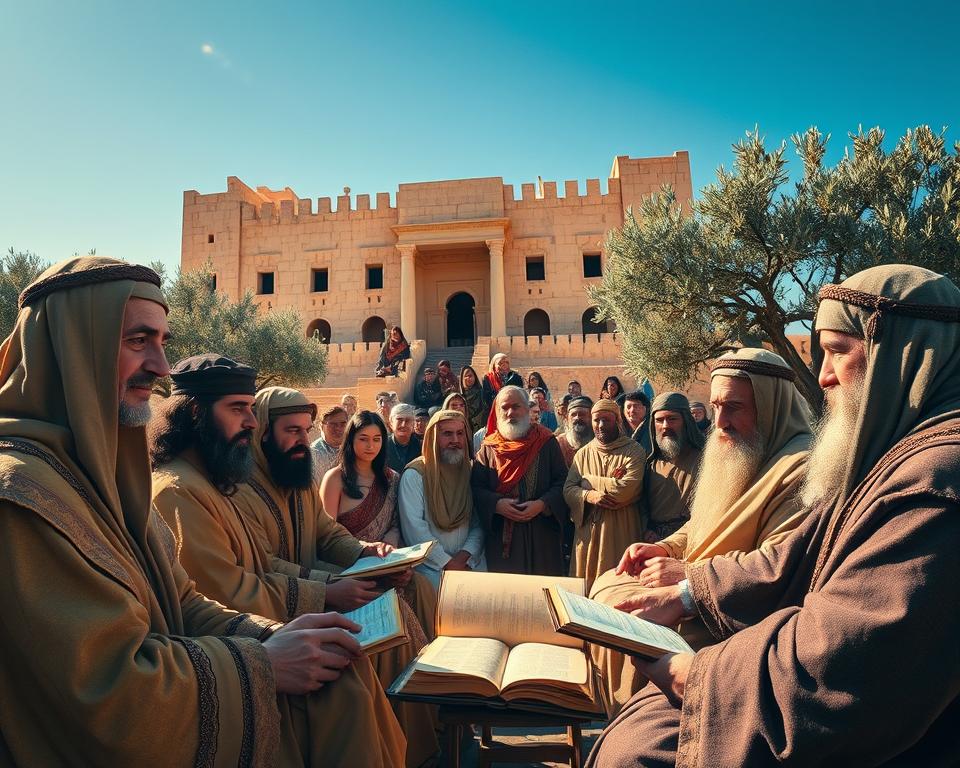
The book of Judges shows cycles of fall and return that speak directly to our faith. I want to walk with you through brief, clear truths drawn from the people and judges who lived in those hard times.
You will meet Deborah, Gideon, Samson, and others who reveal how sin, pressure, and repentance shape a nation. I will point to Scripture and to the ways God raised leaders, gave victory, and called people back when they prayed.
My aim is simple: name each lesson plainly, show the truth from Scripture, and keep hope central. We will learn from both obedience and failure so these truths help our daily walk under God’s word.
Key Takeaways
- God responds when people repent and returns mercy amid discipline.
- Cycles in history teach us to guard faithful worship to the Lord.
- Judges rose to deliver and their lives reveal both strength and weakness.
- Plain Scripture truth guides faith for today and our world.
- We can apply each lesson to protect our hearts and live in hope.
Setting the scene: the book of Judges, the people, and the cycle of sin
I begin by placing Israel in a loose confederation of tribes with no central ruler to hold them together. This lack of a king left local leaders to rise and fall. The scene explains why each region answered problems on its own and why unity stayed weak.
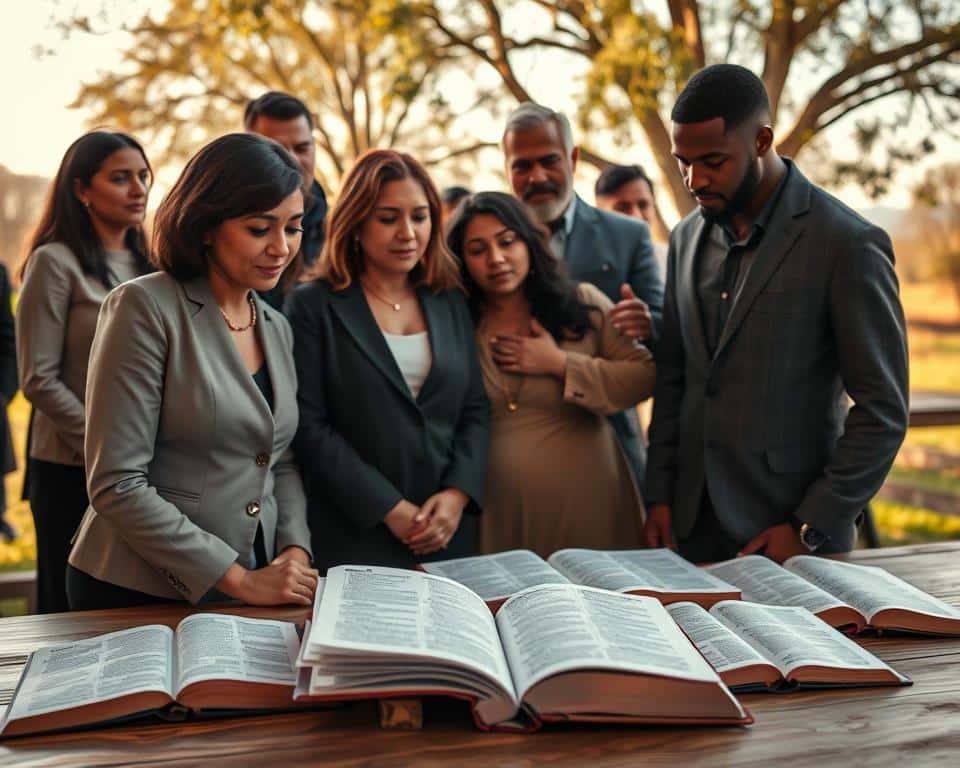
Israel had no king and did what was right in their own eyes
“Everyone did what they thought was right.”
This line points to a fault in sight and in standards. The people chose their own way and the result fed social strain and moral failures.
The repeat pattern: sin, oppression, cry for help, judge, peace, relapse
The book judges maps a steady cycle across times and days. First comes sin and idol worship. Then oppression arrives, people cry, God raises a judge, and short peace follows.
This history acts as a mirror. It shows how worship to God alone matters and how compromise seeds long-term failures in a nation and in homes.
Complete the mission or face constant trouble in the land
Incomplete obedience brought repeated trouble. Judges 1:27–36 records tribes that did not drive out the Canaanites. Those places became a steady test for Israel.
When people left the work half done, foreign nations stayed close. Their gods and customs tempted Israel and led to idolatry. Judges 2:1–5 shows that failure cost the people their sure victory.
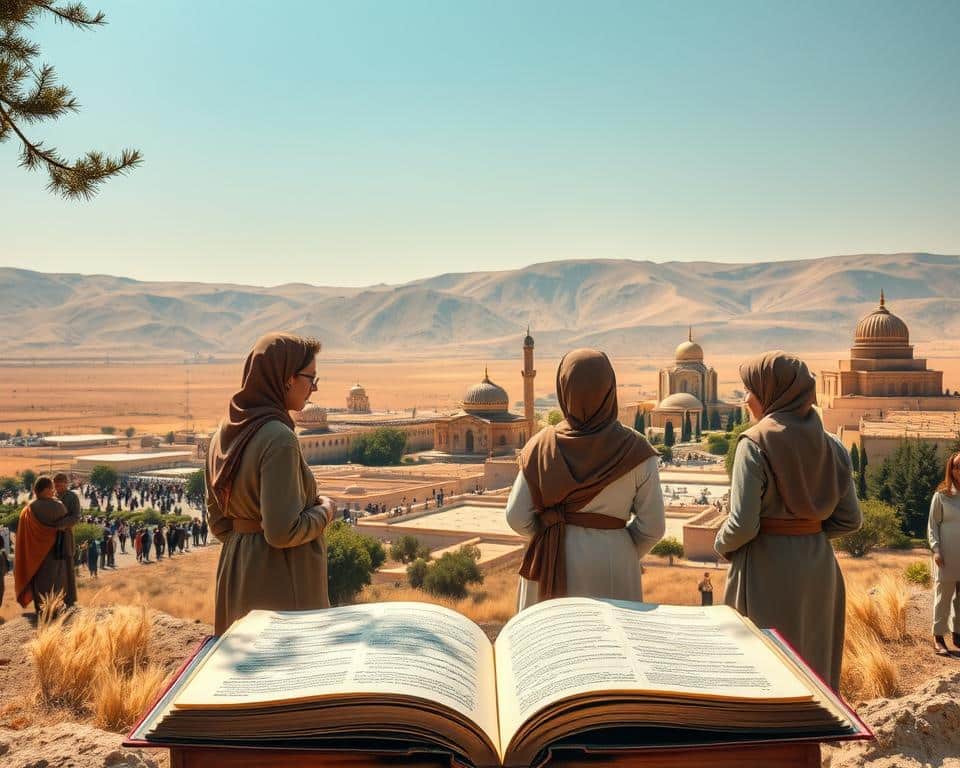
Failure to drive out nations led to idolatry and conflict
We learn a hard lesson: small compromises grow into lasting failures. The text names each place where the work stopped, and those places became snares.
- Promises of victory come with obedience; sin and delay break trust.
- Neighboring nations tested Israel because they did not finish the task.
- Half steps opened the way for idols and ongoing conflict.
“God used the presence of these nations to test Israel’s faith and obedience.”
Practical charge: finish the work God gives. Our steady obedience preserves the land of our homes and the peace of our hearts, and it honors God’s promises.
Lessons from the Judges
The era of the judges presses clear truths about obedience, worship, and mercy.
I point to two central calls. First, obey God fully. Partial obedience invites mistakes that grow into patterns.
Gideon refused a kingship but made a gold ephod. That object became a snare when people treated it as a god. Repeated relapse into idols shows how easily worship goes wrong.
Obey God fully to guard life and faith
Obedience protects families and the kingdom of faith. Small compromises lead to long harm.
Reject false gods and empty worship
False gods promise help but deliver ruin. Hold Scripture as your standard and call on the Lord first, not last.
“We called on the gods we made; the Lord answered when we turned to him in truth.”
- Keep truth as the standard for worship and action.
- Guard your heart; good things can become false gods when misused.
- Let each lesson move from page to practice in daily choices.
| Issue | Biblical Pattern | Practical Response |
|---|---|---|
| Partial obedience | Half-done wars and lingering idols | Finish what God gives; refuse shortcuts |
| Empty worship | Ephods and local shrines | Test worship by Scripture, not custom |
| Relapse | Cycles of sin and mercy | Confess quickly; return to prayer |
Deborah and Jael: women of courage and clear leadership
Deborah stood under a palm tree and led Israel with clear commands and steady faith. I see her as both a judge and a prophetess who spoke God’s word with calm authority.
Barak asked Deborah to go into battle, and her presence steadied the man and the troops. Deborah said the course would give honor to a woman, and God honored that word.
Deborah leads with wisdom and strength
Deborah judged Israel, gave counsel, and called troops to trust God’s plan. Her voice carried power because Scripture backed her call.
Jael secures victory with decisive action
Jael welcomed Sisera into her tent. She gave him drink and then drove a tent peg through his head while he slept. The Lord delivered the people israel by her act.
“The Lord delivered Israel through her hand.”
- We honor women used by God with courage and clarity.
- Leadership rests on calling and truth, not rank or fame.
- The book shows how God lifts faithful service for his purposes.
| Figure | Role | Action |
|---|---|---|
| Deborah | Judge & Prophet | Called Barak, declared God’s course, led Israel |
| Barak | Military leader (man) | Followed Deborah; honor shifted by course of events |
| Jael | Woman in a tent | Ended Sisera’s threat with decisive, faithful action |
Gideon: ask for clarity, then act in faith
I see Gideon as a man who needed clear light before he moved. He asked God for signs, and the Lord granted a fleece to give him sight and courage.
God is patient with doubts, but his word stands
God met Gideon’s doubt with mercy. Even after speaking, God answered the fleece request so Gideon could trust and obey.
Gideon later refused a crown, saying the Lord should rule. That was a true confession of faith and humility.
Yet he made a gold ephod that the people began to worship. This warns us: good things can become idols if we finish poorly.
“God is patient with doubts, but he expects obedience once he gives clear word.”
- Ask for help when you lack sight, then act when God speaks.
- Test ideas by Scripture, not by impulse.
- Trust God’s promises and move at the right times.
Practical charge: seek God as Father, pray for clarity, and then step forward in obedience so faith grows by doing what Scripture directs.
Power, gold, and idols: the danger of good things in the wrong place
After victory, good things can become traps when people put power above God’s way. Gideon refused to be king, yet he made a gold ephod from the war spoils. That crafted thing drew the people’s praise and attention away from God.
The result was idolatry. The people treated a piece of gold as holy and forgot the giver of victory. What began as a memorial became a snare to Gideon and his house (Judges 8:22–27).
False gods often appear helpful. They look like tools, rewards, or symbols of success. Yet they steal the love and trust that belong to God alone.
We guard our hearts by keeping gifts in their place. Leaders who resist king-like power protect a nation. People do well when they test things by God’s word, not by trend or praise.
“We must name idolatry when good things take control of our choices.”
- Power and gold must serve, not rule.
- A good thing can become an idol when it replaces worship of God.
- Use influence to serve and keep worship pure.
Samson: set apart strength, repeated failures, final faith
Samson’s story traces strong beginnings, repeated failures, and a final act of trust. An angel announced his birth and called him to a Nazirite vow. His parents—father and mother—kept that charge so his life began set apart for the Lord.
A Nazirite vow marks a life set apart
The vow showed that God had a purpose for his days. Samson’s strength signaled calling. His life stood as proof that God can mark a man for service from the womb.
Compromise weakens strength and invites ruin
When Samson broke his vow he lost sight and freedom. Compromise drained his power and led to capture. This course warns us that promises matter and that good gifts can be wasted.
God can redeem a broken ending with one act of trust
In captivity he prayed once more. God returned strength for a final act that struck the Philistine nation harder than his earlier wins. This shows that failures need not be final when a heart turns back in faith.
“God heard his plea and gave strength for one decisive act of deliverance.”
| Focus | Fact | Application |
|---|---|---|
| Calling | Nazirite vow from birth | Honor the charge God gives |
| Failure | Compromise led to loss | Avoid patterns that drain devotion |
| Redemption | Final prayer restored strength | Return with humble faith; seek God’s mercy |
From ancient stories to today: choose God’s way, not right in our own eyes
These ancient accounts show how a nation’s choices shape ordinary lives today. I see a pattern: people call on God after long suffering. Too often they first sought idols or quick fixes.
Call on the Lord first, not as a last resort
Call on God early. When people wait until pain grows, their lives suffer more and mistakes multiply. Judges records moments when Israel cried out only after deep trouble, and God later showed mercy when they confessed (Judges 10:6–16).
We live in a world that sells fast answers. Our work is to choose God’s way and form daily habits of prayer and Scripture. That simple practice keeps our eyes fixed on truth and spares us repeat sin.
“The people did what was right in their own eyes.”
| Choice | Ancient outcome | Modern response |
|---|---|---|
| Trust own eyes | Delay, idolatry, longer suffering | Stop quick fixes; seek Scripture first |
| Call on God early | Faster mercy and restored peace | Set daily prayer and obedient habits |
| Follow the world | Temporary gain, lasting cost | Test answers by God’s word |
| Persistent obedience | Stability for families and nation | Live today with hope and steady faith |
For a deeper guide on practical wisdom for life and work, see what we can learn about wisdom. Let us keep our eyes on God and call on him first so our lives reflect his faithful way.
Conclusion
I close this study by naming clear truths that guide our life and faith today.
Obey fully, pray steadily, and worship God alone. These simple charges rise from each story of people, kingless times, and nations that pressed Israel.
We honor women and men God used—Deborah, Jael, Gideon, and Samson—and remember failures so we do not repeat them. Our strength grows when we act on Scripture and reject the pull of power and praise.
Keep this lesson: choose what is right in God’s sight and trust his word. Live with hope, serve his kingdom, and tend the land where he has placed you.