

How can we teach life-changing laws to young minds without losing their interest?
I write as a mentor who wants to guide parents and teachers with hope and clarity. I define what these rules are and why they matter to kids and adults. I explain that God gave His law because He loves people and wants good results in life (Deuteronomy 10:13).
The first four teach love of God. The last six teach love for other people. I show a simple, two-part structure that ties both ideas together so children see the big picture.
I offer practical steps you can use at home, on the Sabbath, or in church classes. I show how to match words to a child’s age and how short, clear lessons can help kids start with a first step toward truth.
Key Takeaways
- Clear purpose: God’s laws aim to bring good and protect life.
- Two-part focus: Love God and love others simplify teaching.
- Age fit: Use words that match a child’s age and understanding.
- Practical use: Lessons fit home worship, Sabbath, and class time.
- Scripture rooted: Lessons stay grounded in Bible passages.
Start with the purpose of God’s commandments
My goal is to help parents explain why God gives rules that bless life and protect people. I begin with one clear verse:
“He gave you these commandments for your good.”
Explain the verse in plain words: tell kids that God’s laws help people live well. Say that a commandment is a simple instruction that points the way to safety, kindness, and healthy relationships.
Jesus’ big idea: love God and love others
Teach the summary in simple language: love God and love others. Make it a short motto children can remember. Emphasize that the first four laws show how to love God. The last six show how to love people.
How the laws guide daily life
Give a one-sentence safety example for each half. For love God: keeping a day of rest gives family time to rest and worship. For love others: telling the truth keeps friends safe from harm.
Short script for parents: “God gave these commandments to help us live and love. We obey out of hope in Christ, not to earn favor.”
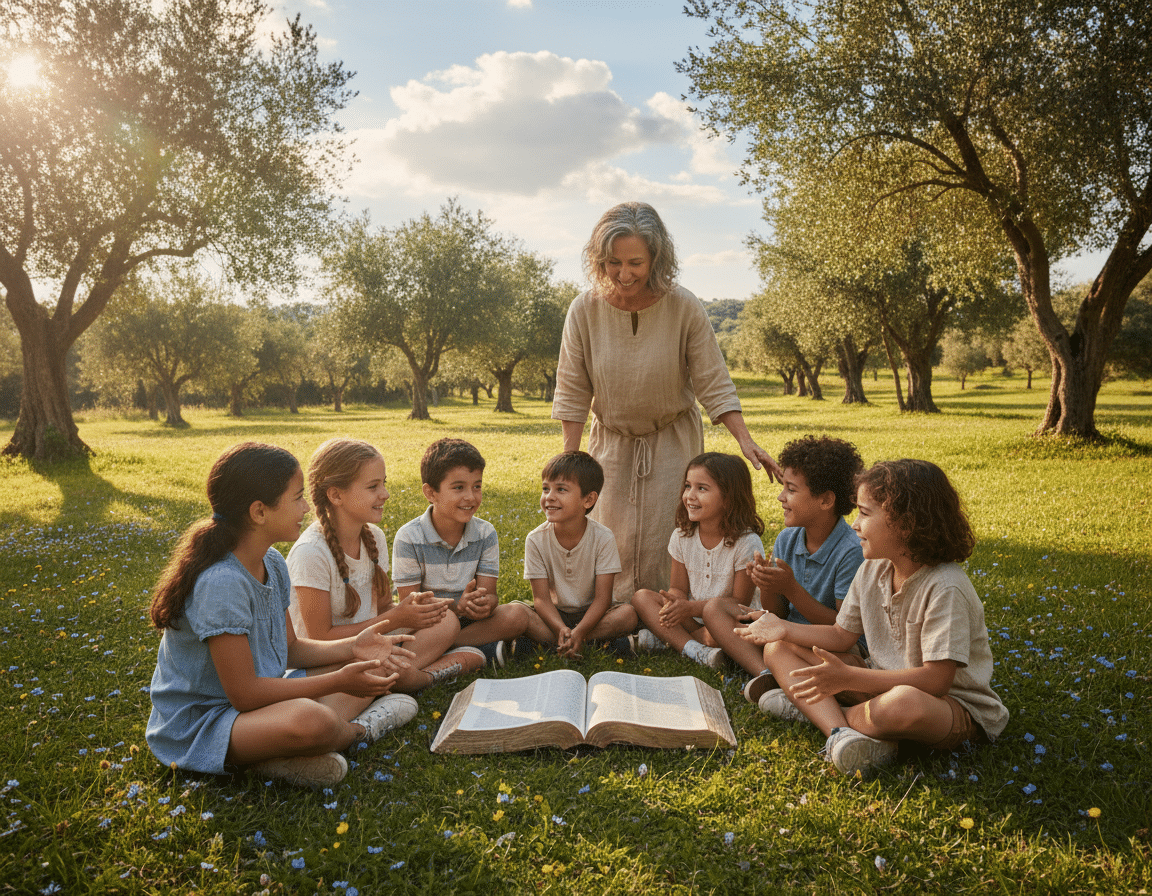
Tell the Moses story that explains where the commandments came from
Let me walk you and your children through the scene at Mount Sinai.
Mount Sinai and the stone tablets
Exodus 20 records God speaking the laws to Moses on a high mountain. God wrote the commandments on stone tablets so people could remember them. The scene had thunder, smoke, and a clear voice that called the nation to listen.

Israel’s rescue from Egypt
Before Sinai, God rescued Israel from slavery in Egypt. He led them out of hard work and danger to make them a free people. This shows that law comes after grace—God saves first, then gives ways to live well.
The golden idol and why “shall make” matters
While Moses was on the mountain, Israel made a golden idol and worshipped it. The idol story teaches a clear cause and result: putting things or fame in God’s place harms people and faith. I use modern examples—games or popularity—to show what it means to replace the Lord God.
“You shall have no other gods before me.”
Bottom line: God speaks after rescue. He calls people to trust, repent, and obey out of hope and love.
Choose the right words for your child’s age
Choose words that match your child’s age so truth is simple and clear. I start with brief phrases. Then I add fuller meaning as kids grow.
Teach the short form list as a first step
Begin with a short list of each rule. Short phrases help kids memorize without confusion. Memory makes the first step steady.
Use a simple Bible wording for the long form meaning
Next, read a child-friendly Bible version of Exodus 20:2-17. The long form shows what God asks. Use the Contemporary English Version or another clear translation.
Explain key words kids may not know
- Sabbath day: a day God sets apart for rest and worship. Help kids remember sabbath day as joy and faith.
- Shall covet: wanting what belongs to someone else. Teach contentment.
- Shall commit adultery / adultery: explain simply as breaking marriage promises between adults. Focus on faithfulness.
- Shall murder, shall steal, false witness: give simple examples so kids see actions and results.
“Keep your words clear and your examples kind.”
Teach the Ten Commandments for children in kid-friendly steps
Here are short, practical steps to help kids grasp each rule and live it out. I give a one-sentence meaning, a modern example, and a small action they can try today.
Put God first
Kid sentence: Love God and choose Him above anything else.
Example: Choose prayer over an extra video at bedtime.
Do not make idols
Kid sentence: Do not worship things you make or use.
Example: Avoid treating toys or games like the most important thing.
Respect God’s name
Kid sentence: Use the name Lord God with care and honor.
Action: Practice saying a short prayer before meals.
| Short form | Kid sentence | Example | Try today |
|---|---|---|---|
| No other gods | Put God first | Choose prayer | Pray once this evening |
| No idols | Do not worship things | Toys are not God | Share a toy |
| Do not misuse God name | Respect the name Lord God | No careless words | Say a blessing |
| Remember Sabbath day | Set aside the day to rest and worship | Family time instead of shopping | Plan one family prayer time |
Honor parents
Kid sentence: Respect father and mother with kind words and help.
Protect life
Kid sentence: Do not harm others; life is precious.
Be faithful in marriage
Kid sentence: Explain commit adultery as keeping marriage promises.
Do not steal
Kid sentence: Do not take what belongs to others; practice giving.
Tell the truth
Kid sentence: Do not lie about a neighbor or friend.
Do not covet
Kid sentence: Be content with what you have and thank God for it.
“Teach short steps, repeat with love, and give simple chances to practice truth.”
Use simple teaching methods that help kids remember
Simple, active methods help kids lock truth into memory with joy. I use clear steps so parents and teachers can start today.
Use hand motions and fingers
Assign one finger to each commandment and teach a matching motion. Children trace the finger as they say the short phrase. Repeating the motion with words helps memory and focus.
Use songs each day
Set a brief daily song routine. Sing the short list at breakfast or at day’s start. David used songs to love God’s law; music fixes words and meaning in hearts.
Use visuals, object lessons, and skits
Posters and coloring pages give sight to the ideas. Object lessons show truth, respect, and giving in safe, clear ways. Short skits let kids act out honesty, sharing, and respect without frightening images.
Use card order games
Make a simple card game that asks children to put the list in order. Play quick rounds for wins and review. Tie these ways into Sabbath or family worship so practice fits weekly work and rest.
Help kids apply the commandments at home and with others
Small, repeated steps at breakfast or bedtime turn commands into habits of love. Start with one short action and repeat it until it becomes natural.
Use real situations. When a child is tempted to take a toy, practice the “stop and choose” method: stop, name the feeling, choose a better action. This builds self-control and honesty.
Use real situations to practice truth, respect, and self-control
Give quick examples: tell the truth when you break something, help a sibling instead of shouting, and return a borrowed item. Ask one question after conflict: “Which commandment did this touch and what could you try next?”
Talk about “honor father mother” using Ephesians 6:1-3
Explain the verse in plain words: obey and respect your father and mother, and God promises blessing. Teach honor as active kindness—listening, helping, and speaking with respect.
Connect obedience to love for God and love for people in daily life
Show that obeying a commandment is a way to express love god and care for others. Point out how laws protect life and make home peaceful. Add a Sabbath practice: plan one calm family activity that teaches rest and respect.
For extra help, see this short guide on parenting and faith: biblical wisdom for parenting.
Conclusion
I close with a clear call: make God’s word part of each day at home so kids learn that the laws are given for our good (Deuteronomy 10:13).
Teach the simple summary—love god and love others—and use short, steady steps. Parents bring truth to life through brief lessons, prayer, and patient practice from Deuteronomy 6:6-7.
Connect obedience to hope in Jesus Christ. We all need forgiveness and strength; rely on Christ when you teach and correct.
Start a weekly plan: remember sabbath day, review one commandment, pray, and practice one kind way toward people. Memorize the short list, review the meaning, and live out truth and respect.
For a concise study of God’s law, see what Exodus teaches about God’s law.
FAQ
How do I explain the purpose of God’s laws to my child?
What is the one big idea from Jesus to teach first?
How should I tell the Moses and Mount Sinai story?
How can the golden calf story help children understand idolatry?
What wording is best for different ages?
How do I explain terms such as “sabbath day” and “covet” to kids?
How do I teach faithfulness and the command about adultery to children?
What practical methods help kids remember each rule?
How do I teach children to honor parents at home?
How can I use real situations to practice the laws with kids?
What if a child asks why God’s name should not be misused?
How do I help children avoid coveting and practice contentment?
How do I balance teaching rules with showing God’s grace?
Related: How Jesus Affirmed the Ten Commandments
Related: How the Ten Commandments Shaped History
Related: What the Seventh Commandment Teaches About Marriage
Related: How Adventists Uphold the Ten Commandments
Related: What the Sixth Commandment Teaches About Life
Related: Common Misconceptions About God’s Law
Related: How Law and Grace Work Together in the Ten Commandments
Related: Honoring Parents According to the Fifth Commandment
Related: Why the Ten Commandments Still Matter Today
Related: What Prophecy Says About God’s Law
Related: Teaching Children the Adventist Faith
Related: Avoiding Covetousness: Lessons from the Tenth Commandment
Related: How Adventists Approach Music and Worship
Related: How the Ten Commandments Relate to Salvation
Related: Tips for Memorizing the Ten Commandments
Related: The Ten Commandments: A Modern Interpretation
Related: Understanding the First Commandment
Related: The Ark of The Covenant: Meaning, History and Secrets