
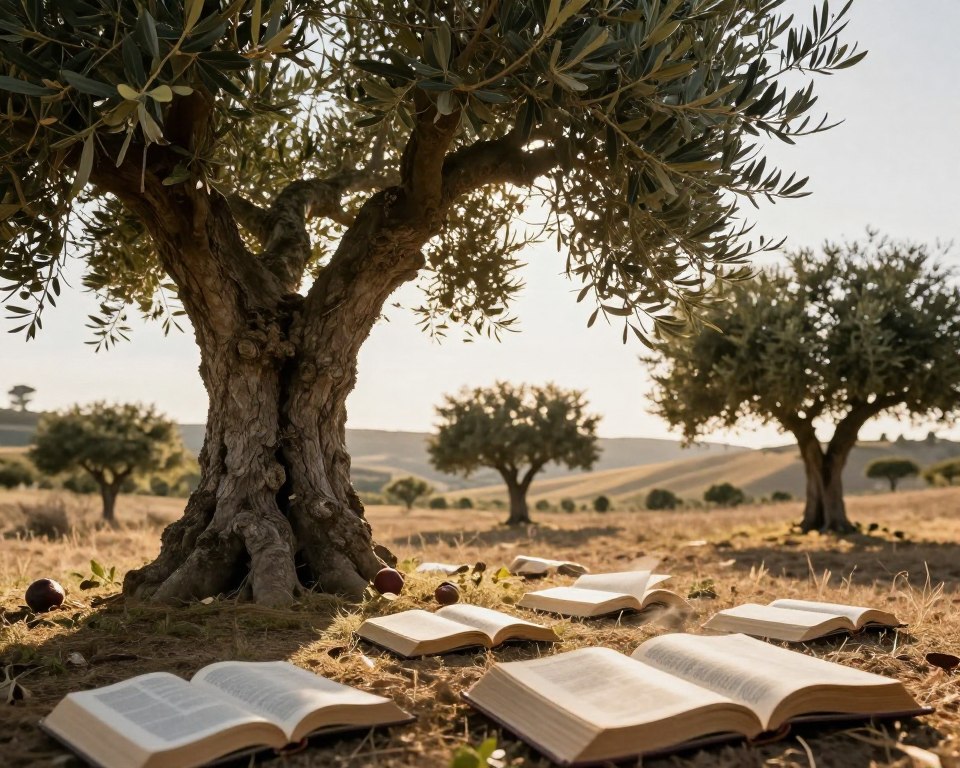
Have you ever noticed how often trees in the Bible frame our most sacred stories? From the very first pages, they provide shade, food, and a tangible connection to the world our faith ancestors walked.
These living pillars appear more frequently in Scripture than almost any other part of creation. They mark every major event in God’s story of redemption.
From the Garden’s provision to the wood of the cross, they were central to daily life. They offered building materials and medicine, meeting physical needs while teaching deep faith lessons.
God placed them throughout His word to show His character and plan for humanity. When we study them, we discover practical wisdom for our lives today.
The first instructions given to Adam involved caring for the garden. This shows our enduring responsibility as stewards. These creations connect us to the same natural world biblical characters knew.
Key Takeaways
- Plants and trees are mentioned constantly throughout Scripture, highlighting their importance to God’s message.
- The biblical narrative opens with a tree in Genesis and closes with one in Revelation, framing the entire story of salvation.
- They provided essential resources like shade, food, and building materials, demonstrating God’s practical provision.
- God uses them as teaching tools to reveal truths about His character and His plans for people.
- The call to care for creation in Eden establishes a principle of stewardship that remains relevant.
- Studying their role connects us directly to the faith experiences of people thousands of years ago.
- Their symbolism offers hope and practical guidance for our walk with Christ today.
Roots of Spiritual Symbolism in Trees
The deep symbolism attached to trees in biblical accounts stems from their everyday presence in ancient life. To fully appreciate their meaning, we must explore both the scriptural foundation and the cultural setting.

Foundation in Scripture
Our understanding begins in the old testament. God created vegetation on the third day, establishing its importance from the start. A resource like The Baker Book of Charts, Maps, and Timelines helps us see how often these plants appear.
Scripture gives the tree a central role in sharing God’s truth. Each mention is purposeful, weaving a thread through history.
Cultural Context
In biblical times, people relied on trees for survival. They provided food, building materials, and medicine. This practical dependence made them perfect teaching tools.
The promised land featured diverse climates. Different species thrived in deserts or on mountains. Each tree had specific uses in daily life and worship.
God used what people knew. Since individuals interacted with trees constantly, the lessons were immediate and memorable. Their growth patterns and products shaped their symbolic meanings.
Cultural practices in ancient Israel often involved trees. They were part of covenant ceremonies and celebrations. This context explains why certain types appear in key stories.
Trees in the Bible: An Overview
From arid deserts to lush valleys, the promised land hosted an array of tree species mentioned in God’s word. Various plants grew in dry areas and throughout this region. Scripture notes acacia, almond, cedar, fig, and olive among others.
God designed each type to thrive in specific climates. This shows His wisdom in creation. Some grew in salty soil where other plants could not survive.
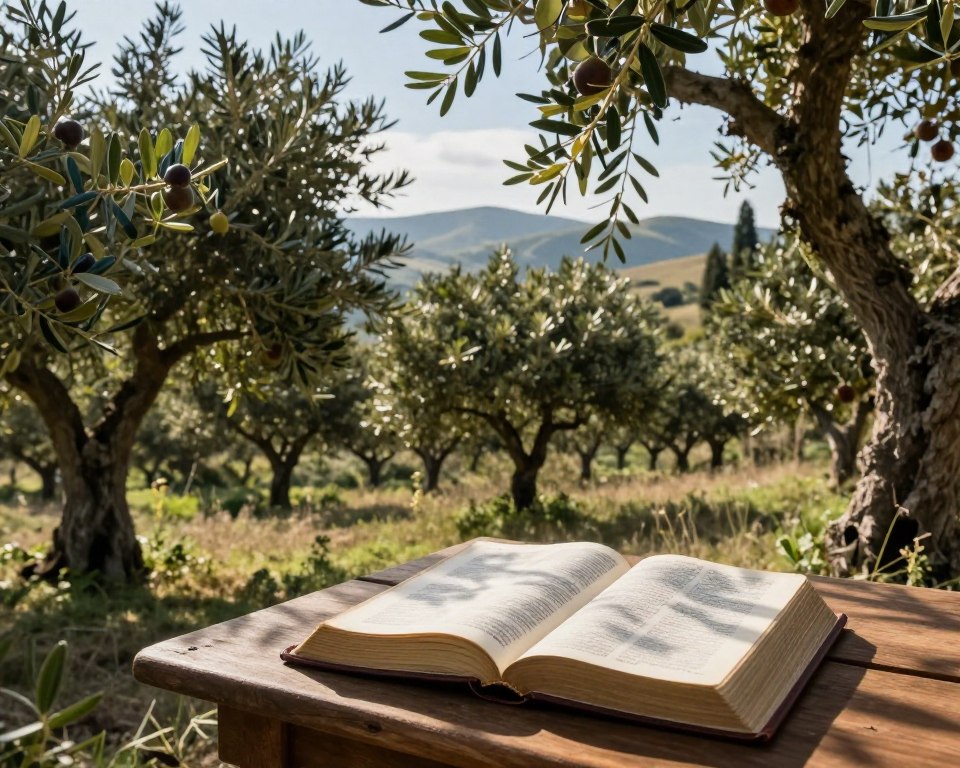
Acacia provided the only hardwood in wilderness areas. Almond trees bloomed early, signaling spring. Cedar from Lebanon was prized for beauty and strength.
| Tree Type | Key Characteristic | Primary Purpose |
|---|---|---|
| Acacia | Hardwood in wilderness | Tabernacle construction |
| Almond | Early spring flowers | Signaling seasons |
| Cedar | Beauty and strength | Building projects |
| Fig | Repeated fruit and shade | Symbol of prosperity |
| Olive | Oil production | Anointing and light |
Understanding this variety helps us appreciate biblical symbolism. Each plant had distinct purposes. God’s creative design provided for physical needs and taught faith lessons.
Biblical Stories of Tree Encounters
Scripture records powerful moments where people met God beside specific trees. These accounts teach us about obedience, faith, and the consequences of our choices.
Adam and Eve in Eden
God placed the first humans in a garden filled with trees. He gave Adam instructions to care for them. This established our role as stewards.
When Adam and Eve sinned, they sewed fig leaves together. They chose a human solution over God’s provision. Their story shows how sin entered the world.
Jesus and the Fig Tree
Jesus used a fig tree to teach a strong lesson. He found it bearing no fruit and cursed it. This act demonstrated God’s judgment on empty religion.
The fig tree often produces multiple fruit sets each season. Jesus expected visible faith from His followers. We must bear good fruit in our lives.
| Story | Tree Type | Key Action | Faith Lesson |
|---|---|---|---|
| Adam and Eve | Fig (leaves) | Used leaves to cover sin | Human efforts fail without God |
| Jesus’ Teaching | Fig (fruit) | Cursed the fruitless tree | True faith produces visible results |
| Stewardship Call | Garden Trees | Adam told to dress and keep | We are caretakers of God’s gifts |
These encounters remind us to rely on God’s plan. They call us to live fruitful lives rooted in His truth.
Lessons from the Tree of Life
From Eden to eternity, the tree of life reveals God’s unwavering plan for our restoration. It first stood in the garden as His gift of unending existence. After sin entered, God showed great mercy. He prevented Adam and Eve from eating its fruit. This protected us from a terrible fate—living forever in brokenness.
Eternal Life in Revelation
The book of Revelation brings this symbol full circle. It paints a picture of complete healing. In the New Jerusalem, the tree of life bears twelve crops of fruit, one for each month.
Its leaves are for the healing of the nations. This restores everything sin destroyed. Access is granted through Christ alone.
Blessed are those who wash their robes, that they may have the right to the tree of life (Revelation 22:14).
This imagery connects directly to salvation. Jesus died to give us eternal life. The tree of life represents God’s final promise. It is for everyone who trusts in His Son.
Our hope is anchored in this truth. The book of Revelation closes with this vivid hope. We look forward to a day of perfect restoration. The leaves signal God’s desire to make all things new.
Insights on the Tree of Knowledge of Good and Evil
At the heart of Eden’s garden stood two distinct trees, each representing a profound choice for humanity. The tree of knowledge of good and evil served as a test of obedience. God placed it there and gave a clear command.
This tree knowledge represented a vital boundary. It marked the line between Creator and creation. Trusting God meant respecting this limit.
When Adam and Eve ate its fruit, knowledge good evil entered human experience. Sin and death followed immediately. Their innocence was lost, and fellowship with God was broken.
God’s prohibition was not arbitrary. It was a protective shield. The tree of knowledge good offered a wisdom that led to death, not life. True understanding comes from trusting God’s word, not our own judgment.
And I will put enmity between you and the woman, and between your offspring and hers; he will crush your head, and you will strike his heel.
This promise of a Savior shows our deep need. The tree of knowledge revealed our broken state. The consequences of that choice affect us all. Our hope is found in Christ, who restores what was lost.
Symbolism of Olive, Fig, and Cedar Trees
Three distinct plants—olive, fig, and cedar—carry profound symbolic weight throughout Scripture. Each reveals different aspects of God’s character and His practical care for creation.
Olive: Health and Stability
The olive tree represents peace, prosperity, and divine favor. It thrives in the mountains of Israel, producing quality olive fruit. Olive oil served many purposes—cooking, medicine, and anointing leaders.
This olive plant symbolizes health and enduring stability. God commanded olive oil for sacred ceremonies. The olive tree’s long life shows God’s faithfulness across generations.
Cedar: Power and Beauty
Cedar from Lebanon mountains symbolized majesty and strength. These tall conifers with silvery-blue needles grew over a hundred feet. Their reddish wood had a pleasant aroma.
Solomon used cedar for the temple due to its quality and resistance to decay. The cedar’s power and beauty made it fitting for kings. This valuable wood was reserved for important projects.
| Tree | Symbolic Meaning | Key Uses | Scripture Reference |
|---|---|---|---|
| Olive | Health, Stability, Peace | Oil for anointing, cooking, medicine | Psalm 23:5; Jeremiah 31:12 |
| Fig | Abundance, Good Life | Fruit for food, leaves for shade, sweetener | Micah 4:4; 1 Kings 4:25 |
| Cedar | Power, Beauty, Majesty | Construction, prestige projects | 1 Kings 5:6; Psalm 92:12 |
The fig tree grows throughout the promised land. Its repeated fruiting symbolizes God’s abundance. Massive leaves provide welcome shade.
Dried figs offered travelers energy. These three plants—olive, fig, and cedar—show God’s complete provision. They teach us about His character in tangible ways.
Historical Context of Trees in Scripture
Throughout biblical history, these living landmarks anchored faith experiences in tangible reality. They were a normal part of daily life, providing shade, nourishment, and supplies. From the Garden of Eden onward, they have been a form of God’s provision. Every major character and theological event seems to have a tree marking the spot. A resource like The Baker Book of Bible Charts, Maps, and Timelines helps us visualize this profound connection.
Old Testament Narratives
In old testament times, trees played essential roles in worship and covenant ceremonies. God used them to mark significant moments. Abraham planted a tamarisk tree and called on the Lord’s name there. Jacob buried foreign gods under an oak as his family committed to serve God.
Moses encountered God at the burning bush, a tree-like plant. The tabernacle and temple used specific woods by God’s instruction. These accounts show how trees bridged physical and faith realities for His people.
New Testament Reflections
In New Testament time, trees continued as settings for key teachings. Jesus taught under them and used them in parables. He ultimately died on a wooden cross. Scripture calls the cross a tree, connecting Christ’s sacrifice to this imagery throughout the book.
This historical context enriches our understanding. It shows God’s consistent method. He uses the familiar to teach eternal truth. The same time-tested symbols in the old testament find fulfillment in the New. This book of faith is woven with living illustrations.
Faith Metaphors from Natural Life
The way a tree reaches for light and digs for water mirrors our own search for God’s presence. These living things show us how to grow in faith. Their daily actions are a powerful example for our walk.
They naturally bend toward the sun. This process is called phototropism. Jesus said, “I am the light of the world.” We must turn toward Him for true life, just as trees turn toward light.
Healthy growth also requires water. Their roots spread wide and deep to find it. Drawing life from God’s word works the same way. Psalm 1 describes faithful people as trees planted by streams.
Their leaves and branches reach out. Strong roots anchor them below. This balance teaches us. We grow upward in hope while staying grounded in truth.
| What a Tree Does | Our Faith Response | Scripture Connection |
|---|---|---|
| Seeks sunlight (phototropism) | Fix our eyes on Jesus, the Light | John 8:12 |
| Sends roots deep for water | Meditate on Scripture day and night | Psalm 1:2-3 |
| Produces seasonal fruit | Bear good fruit that honors God | Matthew 7:17-20 |
| Stretches branches outward | Reach out in love and service | Galatians 5:22-23 |
| Withstands storms with strong roots | Stand firm in trials through God’s word | Ephesians 3:17 |
These natural examples make abstract faith concrete. Long ago, scroll handles were called “etz hayim,” meaning tree of life. Proverbs says wisdom is a tree of life to those who take hold. Our hope is found in that wisdom.
Practical Applications of Biblical Tree Symbols
Applying these ancient symbols to my modern life has transformed how I view my daily walk with Christ. They move from distant metaphors to practical guides for my actions.
Living Out Faith
Jesus said we’d be known by our fruit. What good is an apple tree if it never produces apples? My life should show meaningful results.
The fruit of the Spirit is love, joy, peace, and more. This isn’t just for one day a week. Living out faith means bearing fruit consistently, every day.
Jesus chose me for this purpose. The evidence should be visible to other people. It shows God’s real work in me.
Community Education
Sharing these symbols helps people understand Scripture in fresh ways. When I teach children, they connect with examples they see today.
It opens natural conversations about faith. Using plants as teaching tools makes biblical truth accessible. This kind of sharing is how Bible study fuels your spiritual growth.
I find it reaches people at every level. These living illustrations point them toward hope.
Modern Relevance of Biblical Trees
Standing beneath a centuries-old oak, I feel a direct link to the faith of those who walked this land long ago. These living things still provide the same gifts they did in ancient times. They offer shade, beauty, and even medicines like aspirin.
Their deep roots and long lives remind us our story is bigger than today. God placed eternity in our hearts. Ecclesiastes 3:11 speaks to this. Some plants alive now were seedlings when Moses lived.
Every day, they demonstrate God’s faithful provision. One mighty tree can impact countless people over centuries. Our modern world moves fast, but these creations teach us to think long-term.
| Biblical Role | Modern Parallel | Faith Lesson for Us |
|---|---|---|
| Provided shade and sustenance | Still offer oxygen, cooling, and food | God’s care is constant across generations |
| Lived for hundreds of years | Ancient trees connect us to past faith | Our lives are short but part of God’s eternal plan |
| Used in worship and covenants | Remind us of scriptural truth in daily life | Faith should be rooted deeply, like a tree |
| Symbolized God’s abundance | Science reveals their intricate design | Wonder at creation points to the Creator’s wisdom |
Walking through the land, I connect with the same creation biblical characters knew. The relevance of these symbols hasn’t faded. They speak powerfully to believers in our world today, strengthening our hope.
Conclusion
What may look like ordinary trees to us carried deep meaning for people in Scripture. From the first page to the last, these living symbols frame God’s story. They teach us about His character and plan.
The sycamore tree is a fruit tree that provided abundant shade. Its figs required puncturing to ripen. Zacchaeus climbed one to see Jesus. This sycamore shows how ordinary plants become part of God’s story.
The oak tree symbolizes strength and endurance. Some oaks live over five hundred years in the land. Oak wood made tools and plows. This tree represents God’s power and fertility.
Every tree symbol on the page of Scripture reveals God’s care and salvation. As trees grow toward light and send roots deep, may we grow in faith. Let us remain rooted in His word for eternal life.
FAQ
What is the most important symbolic tree in Scripture?
Why was the Tree of Knowledge of Good and Evil placed in the Garden?
What does the fig tree symbolize in the New Testament?
How is the olive tree used as a metaphor for believers?
What does the mighty cedar represent in the Old Testament?
Can we find the Tree of Life today?
How can I apply the symbolism of biblical trees to my daily walk?
Related: 10 Natural Remedies Found in the Bible
Related: Lessons from the Bible About Seeds
Related: Key Lessons from the Kings of Israel
Related: Symbolism and Lessons from Fish in the Bible
Related: What the Tabernacle Teaches About God’s Plan
Related: What the Covenant with Israel Means Today
Related: How Nature Metaphors Teach Bible Lessons
Related: Symbolic Lessons from Flowers in the Bible
Related: 10 Animals in the Bible and Their Meanings
Related: Do Decorations Enhance Worship Atmosphere?
Related: What the Bible Says About Clean and Unclean Foods
Related: What Mountains Symbolize in the Bible
Related: The Role of Gardens in Bible Stories
Related: Birds in the Bible and Their Symbolic Lessons
Related: Symbolism of Rivers in the Bible
Related: 12 Foods in the Bible and Their Lessons
Related: The Ark of The Covenant: Meaning, History and Secrets
Related: Healing Herbs Mentioned in the Bible
Related: Farming Lessons from the Bible