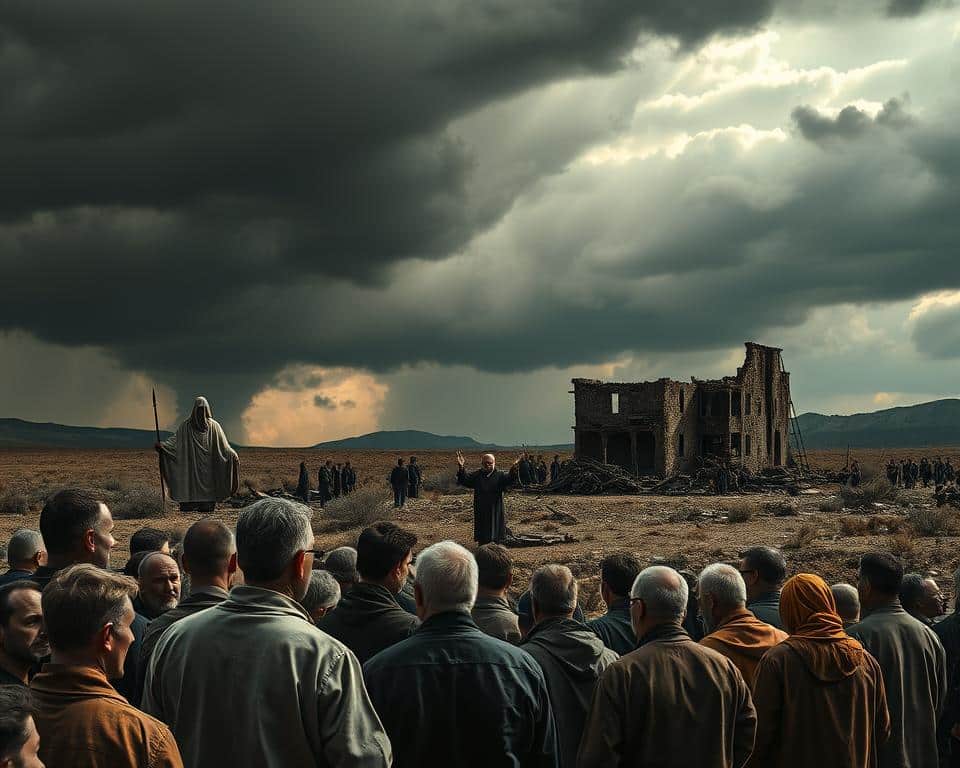

“There are far, far better things ahead than any we leave behind.” — C.S. Lewis. I open this guide with hope. I will show why keeping God’s holy day matters now.
I point to Scripture that links faithful people with God’s final message. Revelation 14:12 names those who keep God’s commandments and hold to Jesus. Isaiah 56:1-7 promises blessing for those who honor the holy day. Isaiah 58:12-14 calls God’s people to repair the breach and call the day a delight.
I set a clear goal: to explain roots in creation, covenant truth, and gospel hope. I will offer practical steps for our week and time. I treat rest as a gift and a sign that points to God as Creator and Redeemer.
Read with an open Bible and a ready heart. My aim is simple: help you understand and practice God’s holy day with joy and purpose.
Key Takeaways
- Scripture links faithfulness with blessing and mission.
- Rest is both gift and sign of God’s care.
- Practical steps will honor God’s word and serve people.
- Guide covers creation, covenant, and gospel texts.
- Read actively with Scripture and an open heart.
Search intent and what readers will learn today
You will find clear, usable guidance for making one day each week truly restful. My intent is informational and practical. I explain what the day is, why it matters, and how to live it now.
I serve people across the United States: church members, new readers, and many people who ask honest questions. I state outcomes up front so you can track progress.
- What you will learn: a simple definition, daily time planning, and worship rhythms.
- Who benefits: families, singles, students, and elders seeking Bible truth.
- How it flows: clear point-by-point sections anchored in God’s word.
Expect a respectful tone and practical steps you can try this week. For more about my work and aims, see about me.

Clear definition: Sabbath, seventh day, and the Lord’s Day
I define key terms so readers can grasp a clear weekly rhythm.
I call the seventh day a time God set apart at creation. Genesis 2:1–3 shows God finished His work and rested. That act marks the day as sacred.
“Thus the heavens and the earth were finished… and God blessed the seventh day and made it holy.”
Exodus 20:9–11 sets six days for labor and one day for rest. Leviticus 23:3 names a holy convocation for the people to gather.
The law includes a clear commandment to keep this holy day. The biblical week follows a six days work, one day rest pattern. That day week rhythm guards time for God and for mercy.
- Definition: the seventh day set apart by God.
- Practice: six days for work; one day for worship and rest.
- Purpose: order, health, and faithful gathering.

Biblical foundation for Sabbath from creation to covenant
I trace how Scripture sets a weekly pattern from Genesis through Israel’s law.
Creation pattern: Genesis 2 and the holy day
Genesis 2:1–3 shows God finished His work, rested, blessed, and made the seventh day holy.
“Thus the heavens and the earth were finished… and God blessed the seventh day and made it holy.”
The Ten Commandments: fourth commandment and moral law
Exodus 20:9–11 places the commandment inside the Ten Commandments. It frames six days for work and a set day for rest.
Freedom theme: Deuteronomy 5 and release from slavery
Deuteronomy 5:12–15 links the weekly rest to freedom. It reminds Israel that God freed them from Egypt.
Worship assembly: Leviticus 23 and holy convocation
Leviticus 23:3 names a holy convocation for the people. Worship and rest come together in that gathering.
Key facts at a glance:
- Creation reveals God’s pattern for a holy day.
- The earth and all life came under God’s order; God blessed the seventh day.
- The ten commandments place this commandment within God’s moral law.
- Six days of labor lead to a day set apart for God and for worship.
- Deuteronomy ties rest to God’s act of freedom.
- Leviticus names the weekly assembly a holy convocation.
- John 5:17 reminds us that works God does continue while we trust and rest.
| Text | Main point | Practical takeaway | Verse focus |
|---|---|---|---|
| Genesis | Creation pattern | Model one day set apart | Genesis 2:1–3 |
| Exodus | Command within law | Six days work; one day rest | Exodus 20:9–11 |
| Deuteronomy & Leviticus | Freedom and assembly | Rest honors God and community | Deut 5:12–15; Lev 23:3 |
Prophetic signals in Isaiah for the last days
I read Isaiah as a clear call to return to justice, covenant faith, and joyful rest. The Lord God invites faithful living that shows mercy and truth. This message fits practical life today.
Isaiah 56: blessing for those who keep from defiling the day
Isaiah 56:1–7 promises joy in God’s house for people who keep the holy day and hold fast God’s covenant. God blesses those who refuse to defile that time and who welcome outsiders into worship.
Isaiah 58: repair the breach and call the holy day a delight
Isaiah 58:12–14 urges repair of the breach in the law and calls the holy day a delight, not a burden. This verse links social justice with Sabbath faithfulness and community healing.
“Bind up the testimony, seal the law among my disciples.”
I urge you to test ideas by God’s word (Isaiah 8:20) and to see this point as both hope and duty. God gathers people from every nation into a house of prayer. Honor the holy day with obedience and joy.
Jesus Christ and the Lord of the Sabbath
I confess Jesus Christ as Lord over our weekly rest. Mark 2:27–28 gives clear ground: the day was made for man, and the Son man claims lordship. This places Jesus at the center of any faithful practice.
Mark 2:27–28 and Matthew 11: rest for souls
Jesus shows that the weekly rhythm serves mercy, worship, and life. Matthew 11:28–29 invites weary souls to find rest in him. That promise links a holy day with gospel care for people.
“The Sabbath was made for man, not man for the Sabbath.”
Practical points:
- I affirm that the day is God’s gift for human good.
- Works of mercy and necessary need fit the day’s intent.
- The Son man heals, lifts burdens, and gives rest to souls who come.
- We honor this day under his lordship by serving and worshiping with joy.
The gospel, Hebrews 4, and true sabbath rest
The gospel brings us into rest by faith in Christ and his finished work. I hold this point plainly. Hebrews 4:9–11 names a sabbath rest that still remains for God’s people.
“There remains, then, a Sabbath rest for the people of God.”
Rest in Christ’s finished work and present keeping
We enter that rest when we trust the rest Christ gives through his finished work. Faith claims what Christ secured. Weekly practice witnesses to that gospel reality.
Why a weekly rhythm helps perseverance
Hebrews 10:24–25 urges us not to neglect meeting together. A regular day each week trains our hearts to hope and to encourage one another.
- Gospel truth: faith links daily life to Christ’s finished work.
- Scripture says: a sabbath rest remains for God’s people (verse).
- Practical point: one day a week shapes desire, builds endurance, and guards family faith.
I invite you to set the day apart under the gospel. Keep this habit to protect hope, steady faith, and community endurance in trying times.
Role of the Sabbath in last days
Revelation paints a portrait of a patient people whose faith shows in clear habits.
I read Revelation 14 as a snapshot: a community that keeps God’s command while holding fast to the faith of Jesus.
Revelation 14: commandment-keeping and faith of Jesus
Scripture links obedience and trust. That scene names a people who obey commandments and trust Christ under pressure.
Witness to the world through worship and rest
When a church marks a set day for worship and rest, it gives a visible sign to a watching world.
- Last-day faith combines obedience and trust in Jesus.
- Worship on a set day shapes faithful living and calm witness.
- People see hope when they meet a patient, steady church.
- Gospel voice grows clearer when obedience and mercy walk together.
“Here is the endurance of the saints.”
Work, time, and Sabbath stewardship in daily life
When days grow full, clear choices protect worship, work, and home. Ephesians 5:15–17 calls us to walk wisely and redeem time while we seek God’s will. That verse warns that days are evil and asks for careful stewardship.
I offer practical, simple steps you can use this week to manage work and time with purpose.
Redeeming the time in “evil days” (Ephesians 5)
Read Ephesians 5:15–17 and let it shape planning. Block quiet hours for prayer and Scripture first. Limit digital noise by muting apps during those blocks.
Freedom from overwork and slavery to status
Deuteronomy 5:15 reminds us God’s mighty hand freed people from slavery. Use that truth to push back on endless busyness. Set one set day each week for rest and worship. Block nonessential tasks then.
- Plan work to match calling and limits.
- Guard time with scheduled breaks and short work goals.
- Protect home by stopping work at a set hour each evening.
- Honor the earth by following a humane pace God gave at creation.
“Be careful then how you live — redeeming the time.”
Practical Sabbath rest today: worship, joy, and restoration
Set aside one day each week to rebuild soul rhythms through worship, rest, and simple joy. I want to offer clear, usable practices you can try this week without legalism.
Core elements:
- Prayer: block a morning and an evening hour for quiet prayer and Scripture.
- Worship: join gathered worship with song and God’s word as the day’s center.
- Rest: include a long stretch of unplanned inactivity so your mind can settle.
Ways to refresh:
- Choose gentle avocational activity that brings pleasure without strain.
- Seek aesthetic rest—walk outside, listen to music, or view art that points to God’s beauty.
- Adjust your day week plan each week to match energy and duty.
Family and community: Honor family rhythms. Let introverts have quiet corners and extroverts enjoy people time that restores. Share ideas with other people in your church while observing sabbath without legalism.
| Practice | When | Benefit |
|---|---|---|
| Morning prayer block | Daily on the day | Centers heart on God’s word |
| Unplanned inactivity | Midday stretch | Clears mind and reduces stress |
| Avocational joy | Afternoon | Restores energy without work |
| Aesthetic time outdoors | Any part of the day | Reveals God’s beauty and hope |
Common objections and clear answers
Believers have long debated how verses about days fit with gospel freedom. I will answer concerns with care and Scripture. I aim for clarity, not controversy.
Colossians 2 and “Sabbaths” in festival cycles
Colossians 2:16–17 uses a plural term that often points to festival Sabbaths. That verse addresses Jewish festival days and worship practices. It does not remove the creation pattern set earlier in Scripture.
Key point: the plural suggests special feast days rather than a blanket end to the weekly commandment.
Romans 14, Galatians 4, and Christian liberty
Romans 14 and Galatians 4 speak to disputes among believers about days and food. Paul urges charity and conscience. He warns against judging others over these matters.
My reading: these chapters apply pastoral care within a Jewish-Christian context, not a wholesale abrogation of God’s law.
Saturday or Sunday: the Lord’s Day in the New Testament
Acts and 1 Corinthians show early gathering patterns while Hebrews 4 affirms a remaining sabbath rest. Different traditions hold different parts of the argument with integrity.
I respect others and call the church to test every claim by Scripture. Even though customs vary, Scripture and creation remain central guides.
“Let every man be fully persuaded in his own mind.”
- I note some say the law ended with festivals; that is one view.
- I explain Colossians as addressing festival days, not the creation week.
- I affirm that the commandments still guide God’s people in love.
- I ask the church to weigh Scripture above mere custom.
| Objection | Scriptural focus | Brief answer |
|---|---|---|
| Colossians cancels all days | Colossians 2:16–17 | Refs festival Sabbaths; context limits scope. |
| Paul allows any worship day | Romans 14; Galatians 4 | Paul urges charity and conscience in disputes. |
| Early church met on Sunday only | Acts; 1 Corinthians | Gathering patterns varied; Hebrews keeps a present rest. |
Living the Sabbath hope now
,Let a single set day shape your week with purpose and mercy. I urge you to set one day each week as a time to stop work, welcome rest, and lift prayer. This simple habit shows hope from creation and points toward salvation in Jesus Christ.
Plan your week so six days of honest work stay fruitful. Guard quiet time for Scripture and family. Keep routines that serve others, heal souls, and honor God’s commandments. Trust Christ’s finished work as you practice weekly sabbath rest and wait on the Lord God.
FAQ
Why does Sabbath keeping matter in the last days?
What will I learn from this guide and who is it for?
What is the difference between “Sabbath,” “seventh day,” and the Lord’s Day?
Why are six days for work and one for rest important?
How does Genesis 2 establish the holy day?
Where does the Ten Commandments fit into Sabbath observance?
How does Deuteronomy relate to Sabbath freedom?
What does Leviticus say about worship on the holy day?
How do Isaiah 56 and 58 speak to the last days?
What did Jesus mean when he said the Son of Man is Lord of the Sabbath?
How does Hebrews 4 connect gospel rest with Sabbath keeping?
Why does a weekly Sabbath rhythm help perseverance?
What does Revelation 14 say about commandment-keeping and faith?
How does Sabbath worship serve as a witness to the world?
How should I manage work, time, and Sabbath stewardship daily?
How does Sabbath practice free us from overwork and status pressure?
What are the core elements of practical Sabbath rest today?
Is all activity forbidden on the Sabbath?
How can families balance different needs on the Sabbath?
How do we keep Sabbath without becoming legalistic?
How do Colossians 2 and festival Sabbaths affect weekly observance?
What do Romans 14 and Galatians 4 say about Christian liberty and days?
Is the Lord’s Day Saturday or Sunday in the New Testament?
How can I live the Sabbath hope now?
Related: The Fourth Commandment: Why the Sabbath Still Matters
Related: 7 Daily Habits of Seventh-day Adventists
Related: What the Second Commandment Teaches
Related: What the Bible Says About Sleep and Rest
Related: Why Adventists Avoid Alcohol
Related: Understanding Old Testament Festivals
Related: How the Ten Commandments Shaped History
Related: What to Expect in an Adventist Church Service
Related: How Adventists Interpret End-Time Prophecies
Related: How Adventists View Marriage in Light of the Bible
Related: What the Tabernacle Teaches About God’s Plan
Related: How Adventists Uphold the Ten Commandments
Related: A Guide to Healthy Living for Adventists
Related: What the Covenant with Israel Means Today
Related: How Adventists Keep the Sabbath Holy
Related: How Sabbath Rest Benefits Mind and Body
Related: What the Bible Says About Clean and Unclean Foods
Related: What Prophecy Says About God’s Law
Related: How to Prepare Meals for the Sabbath
Related: Is a Vegetarian Diet Biblical?
Related: How the Ten Commandments Relate to Salvation
Related: Why Prophecy Prepares Us for the Future
Related: Tips for Memorizing the Ten Commandments
Related: Ideas for Sabbath Afternoon Activities
Related: Understanding the First Commandment
Related: Early Christian Church and the Controversy of Easter vs. Passover
Related: How to Remain Watchful in the Last Days
Related: How to Celebrate Christian Holidays Together
Related: What Does Communion Represent in Worship?
Related: Christianity and Environmental Care: Your Biblical Guide
Related: Understanding the Adventist Approach to Healthy Living